Summary:
You’ve probably heard of acupuncture. Maybe you’ve heard of cupping or herbal medicine too. But traditional Chinese massage — and the broader system it belongs to — is something most people in Nassau County have questions about before they ever walk through the door.
Does it actually work? Is it just relaxation, or is there real clinical value? Will your insurance cover it? And what exactly happens during a session?
Those are fair questions. We answer them honestly here. By the end, you’ll have a clear picture of what traditional Chinese medicine offers, how it works, and whether it might be the thing you’ve been missing.
What Is TCM Medicine — And Why It's More Than Just Massage
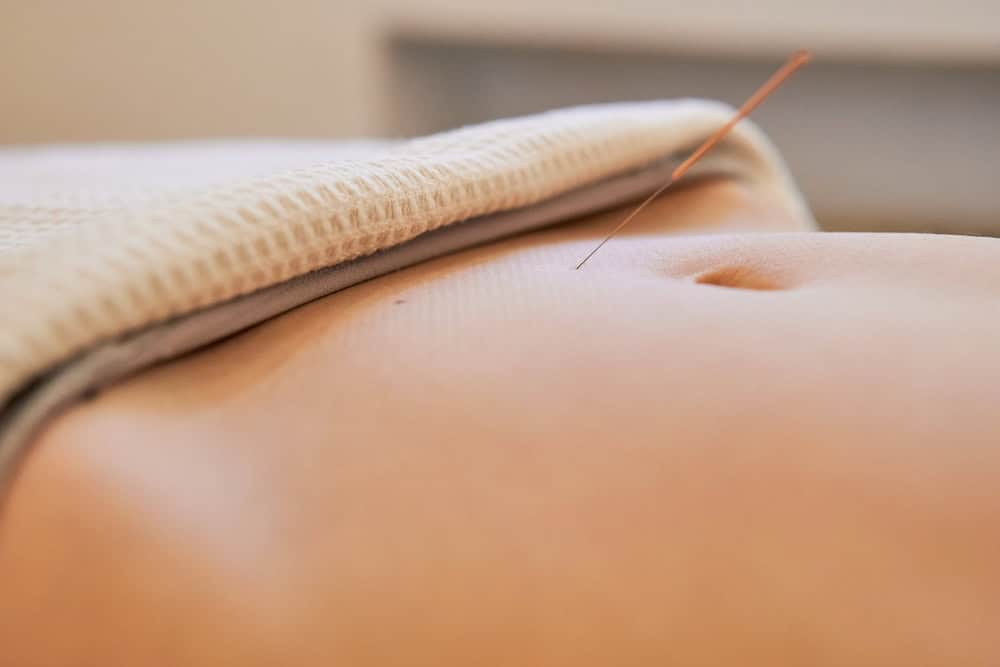
Traditional Chinese Medicine is a complete medical system, not a single treatment. It includes acupuncture, herbal medicine, therapeutic massage (known as Tui Na), dietary therapy, cupping, and lifestyle guidance. The goal isn’t to treat a symptom in isolation — it’s to identify and correct the underlying imbalance that’s causing it.
That’s the fundamental difference between TCM and most conventional approaches. Where Western medicine often focuses on managing what’s wrong, TCM asks why it’s wrong in the first place. That distinction matters enormously for people dealing with chronic pain, recurring stress, hormonal issues, or conditions that don’t show up cleanly on a lab report.
TCM Chinese Medicine: The Philosophy Behind the Practice
At the core of TCM is the concept of Qi — the body’s vital energy — which flows through pathways called meridians. When that flow is disrupted or blocked, the result shows up as pain, illness, fatigue, or emotional imbalance. TCM treatments work by restoring that flow, whether through needles, manual pressure, heat, or plant-based medicine.
It sounds abstract until you look at the science. Acupuncture has been shown to trigger the release of endorphins, reduce inflammatory markers, regulate the nervous system, and improve blood circulation to targeted areas. The World Health Organization, the NIH, the American College of Physicians, and the FDA all recognize acupuncture as an effective treatment for a range of conditions — particularly chronic pain. Medicare expanded its coverage to include acupuncture for chronic low back pain in 2020. That’s not a fringe endorsement.
What makes TCM particularly compelling is that it doesn’t ask you to choose between Eastern tradition and Western evidence. The two reinforce each other. Our practitioners hold backgrounds in both Eastern and Western medicine, which means your TCM treatment doesn’t exist in a vacuum — it works alongside your existing medical care, not against it. If you’re seeing a specialist, an OB-GYN, or a pain management physician, we can coordinate with them directly.
The result is a treatment model that feels genuinely integrated. You’re not switching systems. You’re adding a layer of care that addresses what conventional medicine sometimes misses — the root cause, not just the presenting symptom.
Chinese Therapy: The Full Range of TCM Treatments Explained
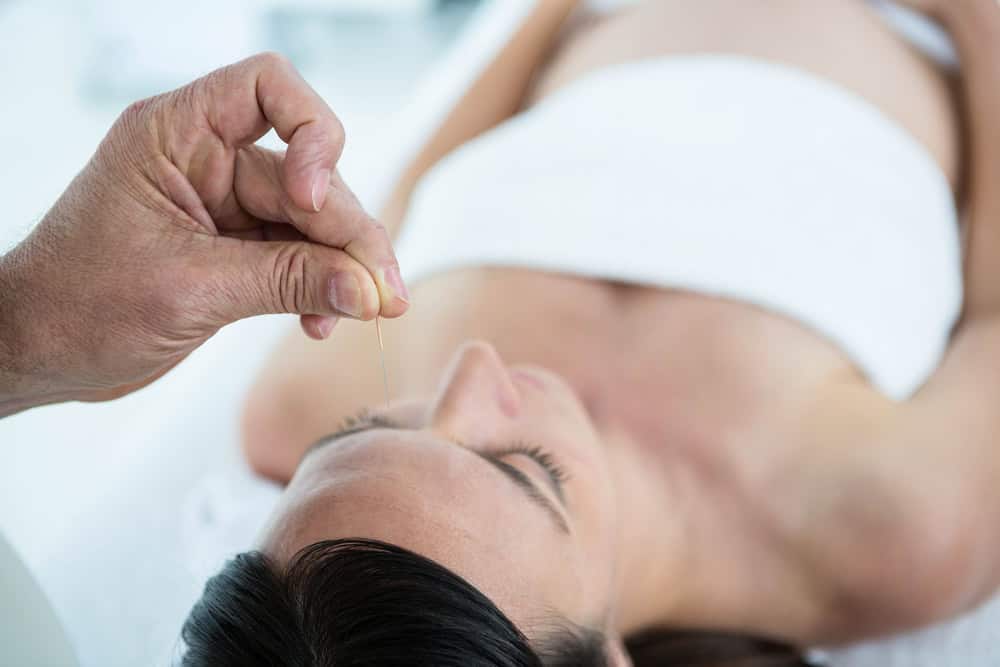
Traditional Chinese massage, or Tui Na, is one tool within a much larger toolkit. During a Tui Na session, our practitioners use rhythmic pressing, kneading, and rolling techniques along the body’s meridian pathways to release tension, stimulate circulation, and restore the flow of Qi. It’s more targeted than a Swedish massage and more therapeutic in intent — closer in spirit to deep tissue work, but guided by TCM diagnostic principles rather than anatomy alone.
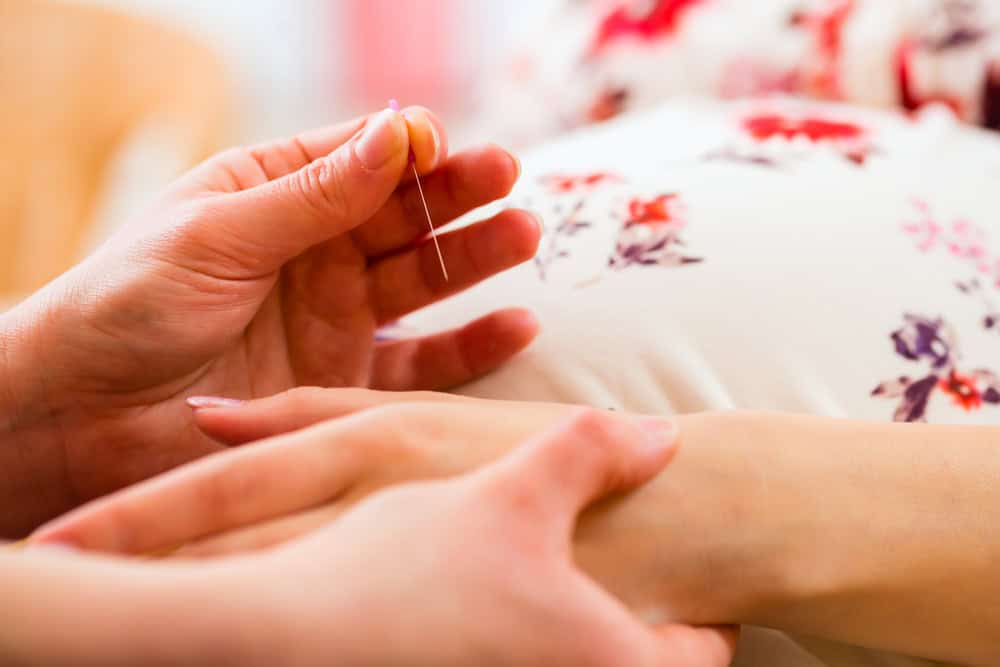
Beyond Tui Na, a full TCM treatment plan might also include acupuncture, cupping (which uses suction to draw stagnant blood and fluid to the surface), gua sha (a scraping technique that reduces inflammation and promotes circulation), moxibustion (the application of heat from burning dried mugwort near acupoints), and herbal medicine. Each modality serves a specific function, and our skilled practitioners will select the right combination based on your individual diagnosis.
That word — individual — matters here. No two treatment plans at our Nassau County practice look the same. A commuter dealing with chronic neck pain from years of sitting on the LIRR gets a different protocol than someone managing PCOS-related infertility or post-accident soft tissue damage covered under No-Fault insurance. Our intake process is thorough: we look at your medical history, your lifestyle, your sleep, your stress levels, and your specific TCM presentation — including pulse and tongue diagnosis — before recommending anything. That’s not a formality. It’s how TCM actually works.
Traditional Chinese Herbs: Nature's Pharmacy, Properly Prescribed
Herbal medicine is one of the oldest and most sophisticated branches of TCM, and it’s often underestimated by people who associate “herbal supplements” with the generic bottles on a pharmacy shelf. Chinese herbal medicine is nothing like that.
At our practice, herbal formulas are prescribed individually based on your specific TCM diagnosis, your constitution, and any existing medications you’re taking. Our practitioners are nationally board-certified in Chinese Herbology — a credential that requires its own examination through the NCCAOM, separate from acupuncture licensure. That dual certification matters because it means your herbal prescription is clinical, not guesswork.
Chinese Herbs for Pain: What the Research Actually Shows
Some of the most compelling evidence for Chinese herbal medicine comes from pain research. Corydalis — known in TCM as Yan Hu Suo — contains a natural alkaloid called tetrahydropalmatine (THP) that has demonstrated analgesic properties in laboratory studies. It’s often called the strongest herbal pain killer in the Chinese pharmacopeia, and for good reason. It works on dopamine receptors in a way that reduces pain perception without the dependency risks associated with opioids.
Turmeric, or more specifically its active compound curcumin, inhibits the same inflammatory pathway — NF-κB — that many pharmaceutical NSAIDs target. Boswellia has been studied for joint inflammation and shows meaningful results for people with osteoarthritis and rheumatoid conditions. White willow bark, the original source of salicylic acid, has been used for pain relief for centuries and predates aspirin by a long stretch.
These aren’t folk remedies dressed up with scientific language. They’re compounds with documented mechanisms that TCM practitioners have been applying in individualized formulas for generations. The difference between buying turmeric capsules at a health food store and receiving a prescribed Chinese herbal formula is the same as the difference between taking a generic supplement and working with a clinical pharmacist. The formula is built around you — your specific pattern of imbalance, your constitution, your other treatments.
For Nassau County residents dealing with knee joint pain, lower back pain, or post-accident inflammation from a car accident on the Southern State Parkway, herbal remedies for pain relief can be a meaningful addition to a treatment plan — especially when combined with acupuncture. The two modalities reinforce each other in ways that neither does as effectively alone.

Alternatives to Neck Surgery: Plant-Based Pain Relief and Conservative Care
One of the most common conversations we have with new patients in Nassau County goes something like this: their doctor has recommended surgery for a cervical spine issue, or they’ve been on NSAIDs or muscle relaxants for months and aren’t getting better — just managing. They want to know if there’s another option before they commit to something irreversible.
The honest answer is: often, yes. Acupuncture has a well-documented track record for neck and back pain. The American College of Physicians specifically recommends acupuncture as a first-line treatment for chronic low back pain before moving to pharmacological options. For neck pain, multiple randomized controlled trials have shown acupuncture to be more effective than sham treatment and comparable to conventional pain management — without the side effects. Combined with Tui Na, herbal anti-inflammatories, and targeted lifestyle adjustments, many patients avoid surgery entirely or recover more fully when surgery is unavoidable.
Plant-based pain relief isn’t a replacement for emergency medicine or structural interventions when they’re genuinely needed. But for the large category of musculoskeletal pain that’s being managed rather than resolved — the neck that’s been stiff for two years, the knee that aches every winter, the lower back that locks up after a long commute — TCM offers something conventional medicine often doesn’t: a treatment model aimed at resolution, not maintenance. Natural remedies for pain management work best when they’re part of a complete, individualized plan, which is exactly what we build at our practice.
What Nassau County Residents Should Know Before Booking TCM Treatment
A few questions come up consistently, so it’s worth addressing them directly. Does insurance cover acupuncture? More often than you’d expect. We accept NYSHIP, United Healthcare, Aetna, Empire BCBS, No-Fault insurance, and Workers’ Compensation. For Nassau County residents — particularly those working in state government, school districts, or recovering from a car accident — there’s a real chance your sessions are already covered. Typical in-network copays run between $15 and $25 per visit. FSA and HSA funds are also eligible.
How many sessions will you need? It depends on the condition and how long it’s been present. Acute issues often respond in six to ten sessions. Chronic conditions that have been building for years take longer. We’ll give you a realistic picture at your initial consultation — not a vague answer designed to keep you coming back indefinitely.
Is it safe? In the hands of a licensed practitioner, yes. New York State has some of the most rigorous acupuncture licensing requirements in the country, requiring hundreds of clinical training hours, passage of NCCAOM national board exams, and ongoing continuing education. Our practitioners meet and exceed those standards.
If you’ve been dealing with chronic pain, stress, fertility challenges, or a condition that hasn’t responded to conventional treatment, traditional Chinese medicine may be worth a serious look. We offer a free consultation — no commitment, no pressure — so you can ask your questions, understand your options, and decide from an informed place.