Summary:
Does Acupuncture Really Improve IVF Success Rates?
Let’s start with what matters most: does it actually work? The short answer is yes, but the details matter.
Research shows that women who incorporated acupuncture throughout their IVF cycles—typically 13 to 15 sessions—were twice as likely to have a baby compared to those who did IVF alone. Even more telling, they were 60% more likely to succeed compared to women who only had acupuncture on the day of embryo transfer.
That doesn’t mean a single session before transfer is worthless. Clinical pregnancy rates jumped from 26.3% to 42.5% for patients who received acupuncture shortly before and after their embryo transfer. But the data consistently points to one conclusion: more treatment over a longer period produces better outcomes. Think of it as preparing the soil before planting, not just watering the seed once it’s in the ground.
How Acupuncture Supports Your Body During IVF
Understanding how acupuncture works helps explain why timing matters so much. This isn’t about one magic session that fixes everything. It’s about creating the right conditions in your body over time.
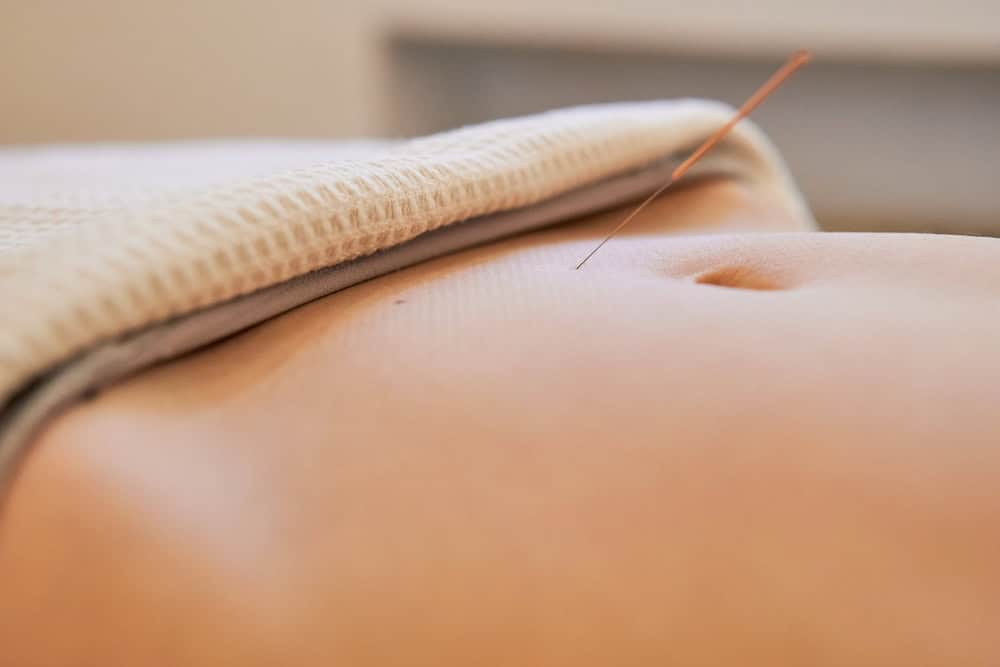
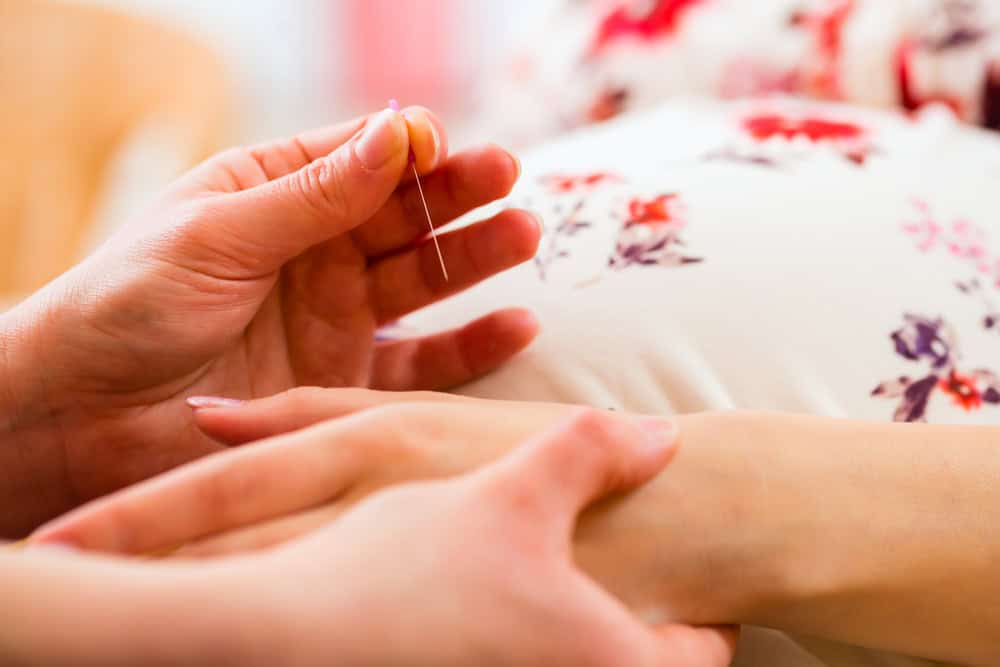
When thin needles are placed at specific points, your body releases endorphins—natural pain relievers that create that deeply relaxed, almost floating feeling many patients describe. Your muscles relax. Your breathing slows. Your mind quiets. For women going through the stress of IVF, this isn’t just nice to have. Stress hormones can interfere with reproductive hormones and decrease both egg quality and quantity.
But acupuncture does more than help you relax. It stimulates your endocrine system, which controls the hormones that regulate ovulation, menstruation, and pregnancy. It enhances blood flow to your reproductive organs, which means better nourishment for developing eggs and a healthier uterine lining for implantation.
Studies have found that acupuncture can improve endometrial thickness, which is crucial for embryo implantation. It can also help reduce common IVF medication side effects like bloating, nausea, and headaches. And on the day of transfer, specific acupuncture points calm your nervous system and relax the uterus, decreasing cramping and contractions that could interfere with implantation.
The key is consistency. These benefits build on each other. One session might help you feel calmer that day. A series of sessions over several months can actually shift how your body responds to fertility treatment.
What the Research Shows About Acupuncture and Embryo Transfer

If you’ve been researching acupuncture for IVF, you’ve probably come across conflicting information. Some studies show dramatic improvements. Others show modest results or none at all. So what’s actually true?
A comprehensive review of multiple studies involving nearly 2,000 women found that acupuncture increased live birth rates by 30% when compared to no treatment. Another analysis showed that acupuncture increased clinical pregnancy rates by 28-32% and ongoing pregnancy rates by 42% compared to no treatment.
Here’s what makes the difference: treatment dose and timing. Studies that showed the best results involved multiple sessions throughout the IVF cycle, not just one or two treatments around transfer. The women who benefited most started acupuncture during the suppression phase or earlier, continued through stimulation, and received treatment before and after embryo transfer.
The research also reveals something important for women who’ve had previous failed cycles. Acupuncture was 42% more effective at increasing live births for women who had previously failed a cycle compared to a control group. If you’re preparing for another attempt after disappointment, this matters.
One study that tracked 186 women found that those who received acupuncture 25 minutes before embryo transfer had significantly higher biochemical, clinical, and ongoing pregnancy rates compared to those who received no acupuncture. Interestingly, women who received acupuncture both before and after transfer didn’t do as well as those who only received it before. The takeaway isn’t that more is always better—it’s that the right protocol at the right time matters.
For Suffolk County residents working with fertility clinics like RMA of New York Long Island, NYU Langone Reproductive Specialists in Mineola, or New York Reproductive Wellness, coordinating acupuncture treatment with your IVF schedule is essential for optimal results.
When Should You Start Acupuncture Before IVF?
This is the question most women ask first, and the answer depends on where you are in your fertility journey.
The ideal scenario: start three to six months before your IVF cycle begins. This gives your body time to respond to treatment, regulate hormones, improve egg quality, and build a healthy uterine lining. Eggs take about 90 days to develop before they’re retrieved, so starting early means you’re supporting egg development from the beginning.
But what if your cycle is already scheduled and you don’t have three months? It’s not too late. Even starting during your cycle can provide benefits, especially for stress reduction, uterine blood flow, and relaxation around transfer. We’ll often increase treatment frequency if you’re starting closer to your cycle.
The Ideal Acupuncture Timeline for IVF Success
Here’s what an optimal acupuncture schedule looks like when you have time to prepare properly.
Three to six months before your IVF cycle, you’d start with weekly sessions. During this phase, we focus on regulating your menstrual cycle, supporting healthy ovulation, balancing hormones, and addressing any underlying conditions like PCOS, endometriosis, or thin uterine lining. This is also when we work on stress management and overall wellness. If you’re dealing with specific fertility challenges, this preparation period is crucial.
Once you begin the suppression phase of IVF—when you’re taking medications to temporarily quiet your ovaries before stimulation—continue weekly acupuncture. These treatments help your body transition smoothly into the next phase.
During ovarian stimulation, increase to twice-weekly sessions if possible. This is when your ovaries are working hard to produce multiple mature follicles, and acupuncture can help improve blood flow to the ovaries, support follicle development, and manage any discomfort from medications. We’ll adjust treatment based on how your body is responding to the stimulation drugs.
One to two days before egg retrieval, schedule a session to help eggs mature and reduce anxiety. After retrieval, another session can help your body recover, relax your uterus, and increase circulation to your uterine lining in preparation for transfer.
On the day of embryo transfer—or within 24 hours before—have a treatment that focuses on calming your nervous system, increasing uterine blood flow, and reducing uterine contractions. Some women also schedule a session immediately after transfer, though research suggests the before-transfer treatment may be more critical.
After transfer, continue with one to two sessions during the two-week wait and into early pregnancy if you conceive. These treatments can help support implantation, reduce anxiety during the waiting period, and may help prevent early pregnancy loss.

What If You're Already Mid-Cycle or Starting IVF Soon?
Maybe you’re reading this and thinking, “I start stims next week” or “My transfer is in ten days.” Don’t panic. While earlier is better, starting acupuncture at any point can still provide meaningful benefits.
If you’re about to begin stimulation, start acupuncture immediately and plan for twice-weekly sessions through transfer. We’ll focus on supporting your body’s response to medications, optimizing blood flow, and preparing your uterine environment for implantation. It’s not ideal, but it’s far from useless.
If your transfer is coming up in a week or two, absolutely schedule acupuncture. Even a few targeted sessions can significantly impact stress levels, uterine relaxation, and blood flow. The research on transfer-day acupuncture shows real improvements in pregnancy rates, even for women who didn’t do preparatory treatment.
The key is not to let perfect timing stop you from getting any treatment at all. Yes, three months of preparation is ideal. But two weeks of focused treatment is infinitely better than nothing. And if this cycle doesn’t result in pregnancy, you’ll have established a relationship with us so we can help you prepare more thoroughly for the next attempt.
For women in Suffolk County working with fertility clinics in Ronkonkoma, Mineola, or other Long Island locations, finding an acupuncturist who understands IVF protocols and can coordinate with your clinic’s schedule makes a real difference. You need someone who knows exactly which points to use at each phase, how to time treatments around monitoring appointments and procedures, and how to adjust treatment based on your body’s response.
It’s also worth noting that acupuncture isn’t just for women. If male factor infertility is part of your diagnosis, acupuncture can help improve sperm quality, motility, and morphology. Starting treatment for both partners three months before IVF gives sperm time to develop with better quality.
Getting Started with Fertility Acupuncture in Suffolk County
If you’re considering IVF or you’re already in the middle of treatment, adding acupuncture to your plan isn’t about chasing a miracle cure. It’s about giving your body every possible advantage. The research consistently shows that acupuncture improves IVF outcomes—not through magic, but through measurable physiological changes that create better conditions for conception.
The most important step is starting. Whether you have six months to prepare or six days until transfer, acupuncture can support your body and calm your mind during one of the most challenging experiences you’ll face. The ideal time to begin was three months ago. The second-best time is right now.
We specialize in fertility support for women and couples throughout Suffolk County, with convenient locations in Ronkonkoma and Huntington. We understand IVF protocols, work collaboratively with local fertility clinics, and create individualized treatment plans based on your unique situation and timeline. From initial consultation through pregnancy support, you’ll receive care that addresses both the physical and emotional aspects of your fertility journey. Reach out today to discuss how acupuncture can support your path to parenthood.