Summary:
Most people who end up exploring Chinese medicine aren’t looking for something exotic. They’re looking for something that finally works. Maybe you’ve been managing back pain for years. Maybe the stress of commuting into the city has worn you down in ways that a good night’s sleep can’t fix. Maybe you’ve been through fertility treatments and want to do everything in your power to improve your odds.
Whatever brought you here, you’re in the right place. This page breaks down how Traditional Chinese Medicine actually works, what role herbs play in treatment, and what separates a genuinely qualified TCM practice from the rest — with a specific focus on what this looks like for patients in Nassau County.
What Chinese Medicine Is — And Why It Thinks Differently Than Western Care
Traditional Chinese Medicine is a complete medical system with its own diagnostic logic, treatment methods, and philosophy of health. It doesn’t just ask “what’s the symptom?” — it asks “why is this happening, and what pattern in the body is driving it?” That distinction matters more than it might sound.
In Western medicine, a diagnosis usually points to a specific disease or structural problem. TCM takes a wider view. It looks at how your body’s systems relate to each other — your energy, your circulation, your organ function, your emotional state — and identifies where things have gone out of balance. Treatment is then designed to restore that balance, which is why two people with the same complaint might receive very different care.
TCM Chinese Medicine: The Core Concepts Behind the Practice
The foundational idea in TCM Chinese medicine is Qi — often translated as vital energy or life force. Qi flows through the body along specific pathways called meridians, and when that flow is disrupted, blocked, or depleted, symptoms emerge. Pain, fatigue, anxiety, digestive trouble, hormonal imbalance — these aren’t random. In TCM, they’re signals that something in the system has shifted.
Alongside Qi, TCM uses the concept of Yin and Yang to describe opposing but complementary forces in the body — think activity and rest, heat and cold, expansion and contraction. When these forces are in balance, the body functions well. When they’re not, illness follows. The Five Elements theory adds another layer, mapping the body’s organ systems to natural patterns and cycles to help practitioners understand how imbalances develop and interact over time.
None of this is mysticism for its own sake. These are frameworks that Chinese physicians developed over centuries of careful clinical observation — refined, tested, and passed down across generations. When we combine that depth of clinical tradition with modern medical knowledge, the result is something genuinely powerful. Our practitioners are trained in both Eastern and Western medicine, which means we’re not choosing one lens over the other — we’re using both, together, to get a clearer picture of what’s actually going on with you.
Practically speaking, a TCM diagnosis involves more than a conversation. We assess your pulse at multiple positions on the wrist, examine the coating and color of your tongue, ask detailed questions about your sleep, digestion, energy levels, and stress — and build a picture of your overall pattern. That pattern, not just your chief complaint, guides the treatment plan. It’s a more time-intensive process than a standard clinical visit, but it’s also why TCM tends to address problems that fall through the cracks of conventional care.
How TCM Treats Conditions That Conventional Medicine Often Manages but Doesn't Resolve
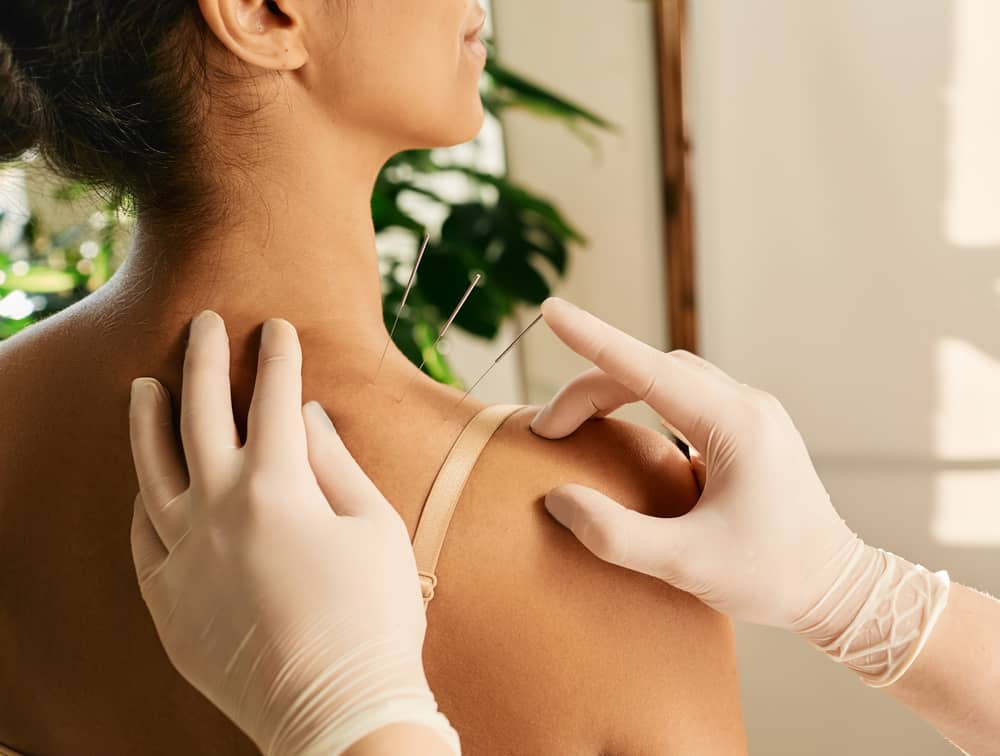
The World Health Organization recognizes acupuncture as an effective treatment for over 100 conditions. The NIH’s National Center for Complementary and Integrative Health has published research supporting its use for chronic pain, neck pain, osteoarthritis, and carpal tunnel syndrome, among others. These aren’t fringe endorsements — they come from the same institutions that set the global standard for evidence-based medicine.
What makes TCM particularly relevant for Nassau County patients is the specific nature of what most people here are dealing with. Chronic stress from LIRR commutes and high-pressure jobs. Back and neck pain from hours at a desk. Fertility challenges for couples in their 30s and 40s. Seasonal allergies that hit hard every spring when the pollen count climbs across Long Island’s tree-lined neighborhoods. These aren’t abstract health concerns — they’re the daily reality for a large portion of the people we see.
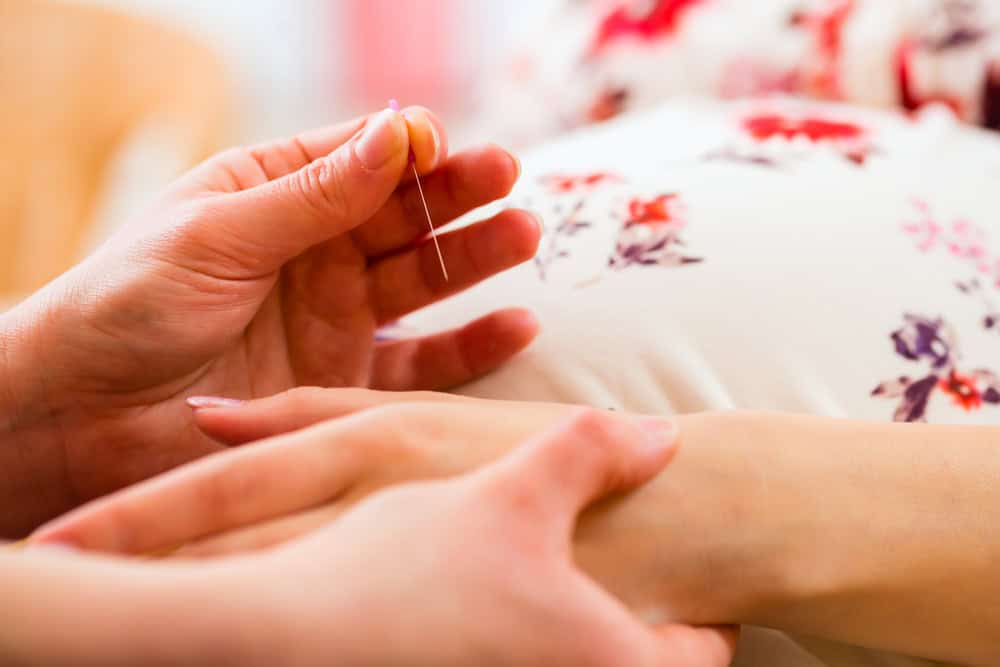
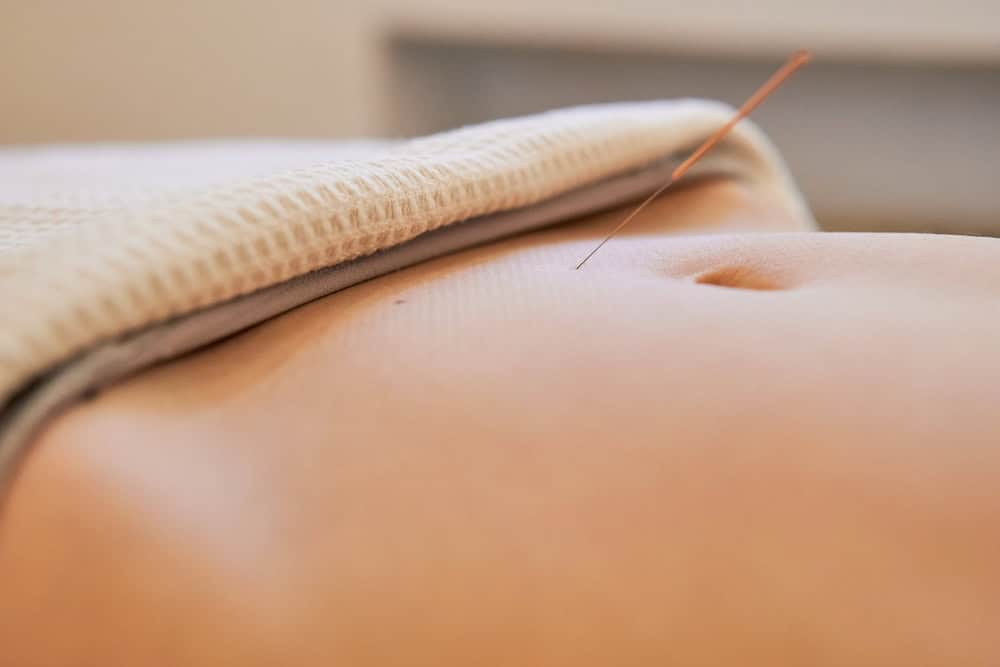
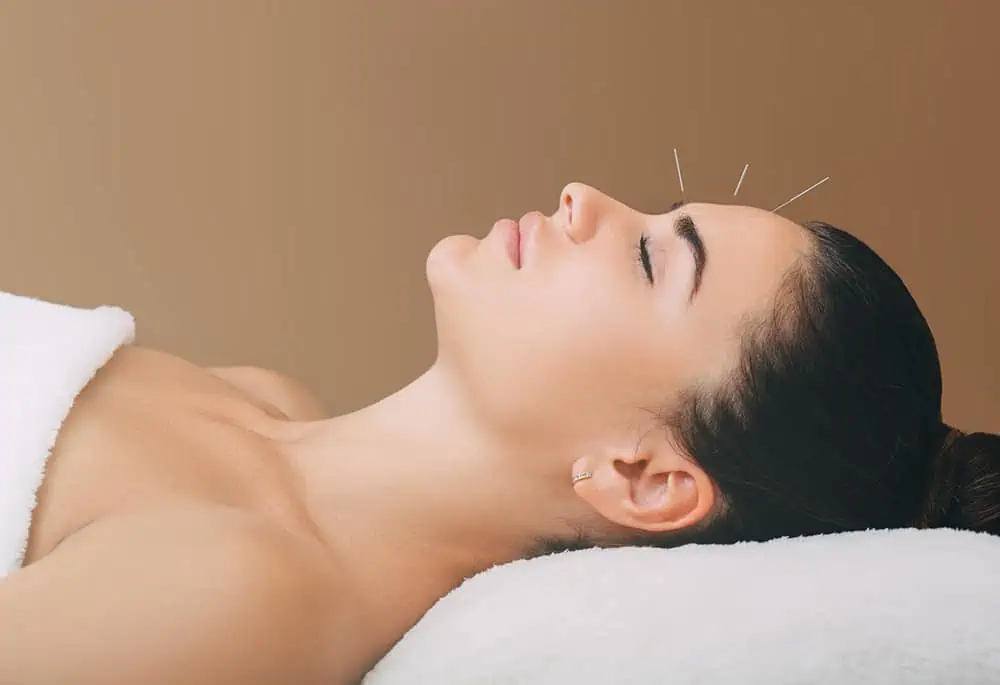
TCM addresses all of these, but not by suppressing symptoms. Acupuncture works by stimulating specific points along the body’s meridian pathways, triggering the nervous system to release natural pain-relieving compounds, modulate inflammation, and regulate the autonomic nervous system — the part of your body that governs your stress response. For chronic pain patients, that means real, measurable relief that doesn’t require ongoing medication. For fertility patients, it means supporting hormonal balance, improving uterine blood flow, and reducing the physiological stress load that can interfere with conception. For anxiety and insomnia, it means helping your nervous system find its way back to a baseline of calm.
The conditions TCM treats well are often the ones where conventional medicine offers management, not resolution. That’s not a criticism of Western medicine — it’s an honest observation about where the two systems complement each other. And it’s exactly why our practitioners’ dual training matters: they understand both approaches well enough to know when to use which, and how to make them work together.
Traditional Chinese Herbs: How They Work and Why Personalization Matters
Acupuncture gets most of the attention, but Chinese herbal medicine is actually the largest segment of TCM — accounting for nearly half of the global market. And for good reason. Herbal formulas can extend the therapeutic effect of acupuncture between sessions, address internal conditions that needling alone doesn’t fully reach, and provide a daily intervention that keeps the body moving in the right direction.
What makes traditional Chinese herbs different from the supplements you’d find at a health food store isn’t just the ingredients — it’s the logic behind how they’re prescribed. We don’t hand you a bottle of ashwagandha because you mentioned stress. We identify your specific pattern — the nature of your imbalance, the organ systems involved, the interaction between your symptoms — and then design a formula that addresses that pattern directly.
How Chinese Herbs Are Selected and Combined for Your Specific Pattern
Traditional Chinese herbal formulas are rarely single-herb prescriptions. They’re carefully constructed combinations — sometimes five herbs, sometimes fifteen — where each ingredient plays a specific role. Some herbs address the primary complaint. Others support the body’s ability to process and use the primary herbs. Some protect against side effects. The formula is a system, not a list.
This matters because the same symptom can have very different root causes in TCM. Take insomnia. One person can’t sleep because of excess heat in the Heart system — they wake up hot, anxious, and restless. Another can’t sleep because of Blood deficiency — they fall asleep fine but wake at 3am with a racing mind and can’t settle back down. These two people need different formulas, even though their chief complaint is identical. A board-certified herbologist can tell the difference. Someone selling supplements online cannot.
Our practitioners hold national board certification in Chinese herbology through the NCCAOM — the same body that certifies acupuncturists at the national level. That dual certification means we’re qualified to design and prescribe herbal protocols as a standalone treatment or as part of a broader TCM plan, not just as an afterthought. We’re also trained to identify potential interactions between Chinese herbs and conventional medications, which is critical for patients who are already working with a physician or specialist.
For Nassau County patients managing conditions like PCOS, chronic fatigue, digestive disorders, or hormonal imbalance, herbal medicine often provides the sustained, daily support that makes acupuncture’s effects more durable. It’s not a replacement for acupuncture — it’s a complement to it, and the combination tends to produce better outcomes than either approach alone.
Common Questions Nassau County Patients Ask About Chinese Herbs and TCM
**Are Chinese herbs safe?** This is one of the most common questions we hear, and it’s a fair one. The short answer is yes — when prescribed by a qualified practitioner who sources from reputable, GMP-compliant suppliers. GMP stands for Good Manufacturing Practice, the same quality standard applied to pharmaceutical production. It means herbs are tested for purity, potency, and the absence of contaminants. The risk profile of Chinese herbs prescribed by a board-certified herbologist is very different from buying random supplements off a shelf. If you’re on medication, we review potential interactions before recommending anything.
**Does insurance cover TCM in Nassau County?** More often than people expect. We accept NYSHIP, United Healthcare, Aetna, and Empire BCBS — plans that cover a significant portion of Nassau County’s workforce, including the large number of state and county employees, teachers, and civil servants who carry NYSHIP coverage. We also accept New York State no-fault insurance and workers’ compensation, which is relevant for patients dealing with work-related injuries or motor vehicle accidents. If you’re not sure what your plan covers, we can help you figure that out before your first visit.
**How many sessions will I need?** It depends on the condition and how long it’s been present. Acute issues — a recent injury, a stress response, a new sleep disruption — often respond quickly, sometimes within one to three sessions. Chronic conditions that have been building for months or years typically require a longer course of treatment. What we can tell you is that most patients notice something meaningful early on. The treatment plan we build for you will include realistic expectations about timeline, not an open-ended commitment with no clear direction.
**Can I use TCM alongside my current medical treatment?** Yes — and in most cases, that’s the most effective approach. We work collaboratively with physicians and specialists, not in opposition to them. Nassau County is home to major health systems like Northwell Health and NYU Langone Long Island, and many of our patients are already under the care of excellent conventional providers. Our job isn’t to replace that care. It’s to fill in the gaps, address the root patterns, and help your body respond better to everything else you’re doing.
Finding the Right Chinese Medicine Practitioner in Nassau County
The most important thing to look for in a TCM practitioner is straightforward: proper credentials and a genuine diagnostic process. In New York State, licensed acupuncturists complete graduate-level training and must meet rigorous state requirements. National board certification through the NCCAOM — particularly dual certification in both acupuncture and Chinese herbology — signals a level of training that goes beyond the minimum.
Beyond credentials, look for a practice that takes the time to actually understand your situation. A real TCM intake isn’t a five-minute questionnaire. It’s a thorough conversation about your health history, your current concerns, your lifestyle, and the patterns that might be driving what you’re experiencing. That’s where good TCM begins.
If you’re in Nassau County and you’ve been dealing with something that conventional care hasn’t fully resolved — chronic pain, stress, fertility challenges, digestive issues, or anything else — we offer a free consultation to start. No financial commitment, no pressure. Just a real conversation about what you’re dealing with and whether TCM is a good fit for where you are right now.