Summary:
Pain has a way of shrinking your life. You stop doing the things you love. You sleep poorly. You take something to get through the day and wonder if this is just how it’s going to be. For many people in Nassau County, that cycle has been going on for years — and the medications that were supposed to help either stopped working, came with side effects, or both.
The good news is there are real, evidence-backed alternatives. This page covers what natural pain relief actually involves, which approaches have solid research behind them, and how a treatment plan that addresses the root cause — not just the symptom — can make a meaningful difference.
Natural Anti-Inflammatory Treatments for Chronic Pain
Most chronic pain has one thing in common: inflammation. Whether it’s a worn-down knee, a stiff lower back, or joints that ache every time the weather turns cold — and if you’ve lived through a Long Island winter, you know exactly what that feels like — inflammation is usually at the center of it.
Pharmaceutical anti-inflammatories like ibuprofen work by suppressing that response chemically. They can help short-term, but long-term use carries real risks: stomach lining damage, kidney stress, and cardiovascular effects. Natural anti-inflammatory approaches work differently. Rather than overriding your body’s chemistry, they support it — using food, herbs, and therapies like acupuncture to reduce the underlying drivers of inflammation rather than just quieting the alarm.
The distinction matters because one approach manages pain while the other works toward resolving it.
Herbal Remedies for Knee Joint Pain: What the Research Actually Shows
Knee pain is one of the most common reasons people start looking for natural alternatives. It’s also one of the most well-researched areas in both Western herbal medicine and Traditional Chinese Medicine, so there’s more to work with here than you might expect.
On the Western side, a few herbs have accumulated a meaningful body of clinical evidence. Boswellia — also known as frankincense — has been studied for its ability to reduce joint inflammation and improve mobility in people with osteoarthritis. Willow bark, which contains salicin (the natural compound that inspired aspirin), has been used for centuries as a pain reliever and still holds up in modern research. Ginger has shown measurable effects on pain and inflammation, particularly in joint conditions, and turmeric’s active compound, curcumin, is one of the most studied natural anti-inflammatories in existence.
In Traditional Chinese Medicine, knee joint pain is understood through a different lens — not just as a structural problem, but as a pattern. Is the pain worse in cold, damp weather? Does it feel better with warmth? Is there swelling and heat, or is the joint stiff and achy without visible inflammation? These distinctions matter because they guide which herbs are used. Formulas built around herbs like du huo (Angelica pubescens), niu xi (achyranthes root), and du zhong (Eucommia bark) have been used for centuries to address joint pain in the lower body — and they’re prescribed based on the individual’s specific pattern, not a one-size-fits-all protocol.
That personalization is the part that often surprises people. An over-the-counter turmeric supplement is a very different thing from a customized herbal formula designed by a practitioner who has assessed your specific condition. Both might reduce inflammation to some degree, but one is generic and one is built for you.
The Strongest Natural Painkiller Plants Used in Clinical Practice
People often ask what the most powerful natural pain reliever is — and it’s a reasonable question if you’re trying to understand whether any of this is actually going to work. The honest answer is that it depends on the type of pain, but several plants have genuinely impressive clinical track records.
Willow bark is probably the oldest documented natural painkiller in Western history. Its active compound, salicin, converts to salicylic acid in the body — the same mechanism behind aspirin. It’s been used for back pain, headaches, and joint pain for thousands of years, and modern studies continue to support its effectiveness for musculoskeletal conditions.
Boswellia is particularly notable for joint and inflammatory pain. Research has shown it can inhibit specific enzymes involved in inflammation, which makes it useful for conditions like osteoarthritis and rheumatoid arthritis. Unlike NSAIDs, it doesn’t appear to damage the stomach lining with extended use — a meaningful advantage for people managing chronic conditions long-term.
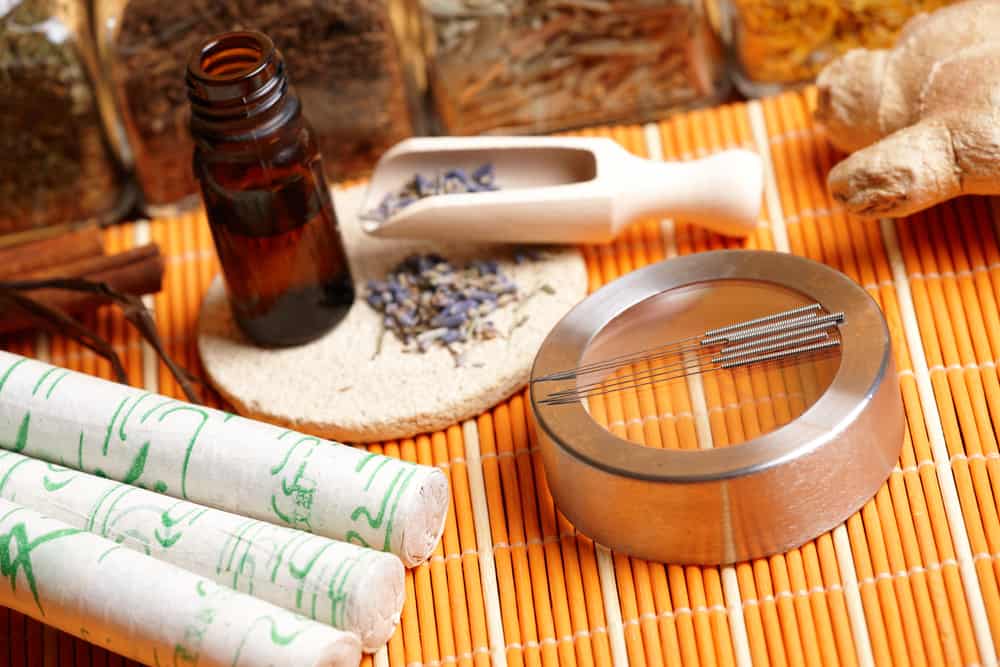
In Chinese herbal medicine, yan hu suo (corydalis) is one of the most widely used herbs for pain relief. It acts on the central nervous system similarly to how some pharmaceutical analgesics work, but without the addiction risk. It’s often used for acute and chronic pain across a range of conditions. Ru xiang (frankincense) and mo yao (myrrh) are frequently combined in TCM formulas for pain involving swelling or fixed, stabbing sensations — both have strong anti-inflammatory and analgesic properties backed by both traditional use and modern pharmacological research.
These aren’t folk remedies being offered as a substitute for real medicine. They are real medicine — used clinically, prescribed by credentialed practitioners, and increasingly validated by the same research institutions that evaluate pharmaceutical drugs. The World Health Organization and the National Institutes of Health both recognize the clinical value of acupuncture and herbal medicine.
Chinese Herbs for Pain: How Traditional Medicine Addresses What Conventional Treatment Misses
One of the most common things we hear from new patients is some version of: “I’ve tried everything.” They’ve done physical therapy. They’ve had cortisone injections. They’ve been on NSAIDs for years. Some have been prescribed opioids and are trying to get off them. They’re not looking for a miracle — they’re looking for something that actually addresses why the pain keeps coming back.
That’s where Chinese herbal medicine often fills a gap that conventional treatment leaves open. Rather than targeting a single symptom or pathway, a TCM herbal approach looks at the full picture — your constitution, your pain pattern, your sleep, your digestion, your stress levels — and builds a formula around all of it. It’s a slower, more layered process than taking a pill, but for chronic conditions, that depth is often exactly what’s needed.
Our practitioners hold national board certification in Chinese Herbology through the NCCAOM — a rigorous credential that goes well beyond the minimum licensing requirements in New York State. That matters when you’re trusting someone to design a personalized herbal protocol for a condition you’ve been managing for years.
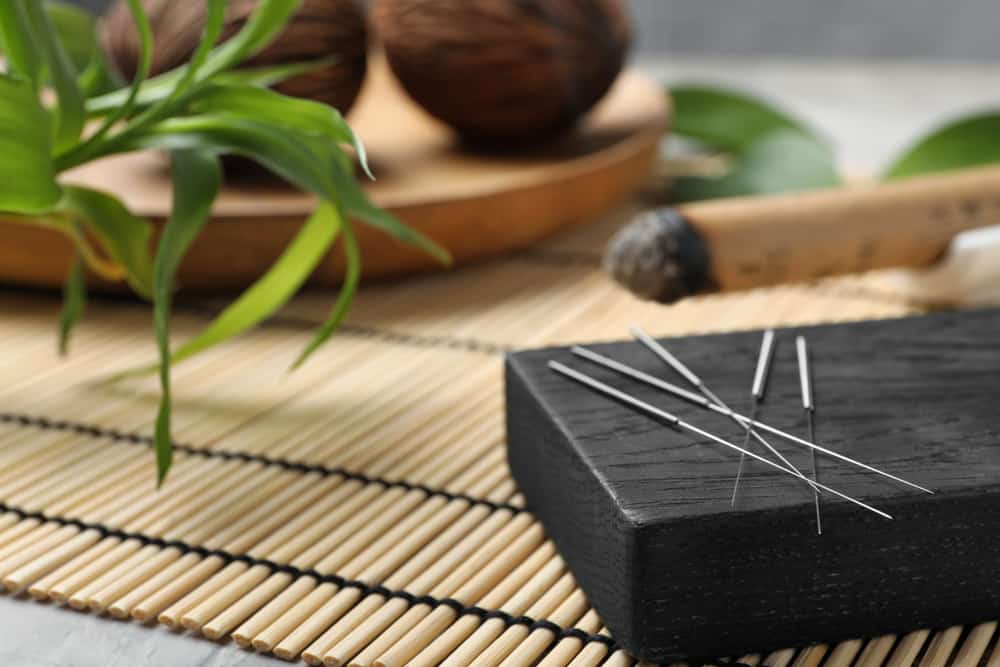
How Acupuncture Reduces Pain Without Medication
Acupuncture tends to be the entry point for most people exploring natural pain relief, and for good reason — it has more clinical research behind it than almost any other complementary therapy. A landmark meta-analysis published in The Journal of Pain pooled results from 39 studies involving nearly 21,000 patients and found that true acupuncture produced significantly greater pain relief than either sham treatment or no treatment at all — and that the benefits lasted for at least a year. A 2021 follow-up study found that relief from low back pain could persist for up to two years after treatment.
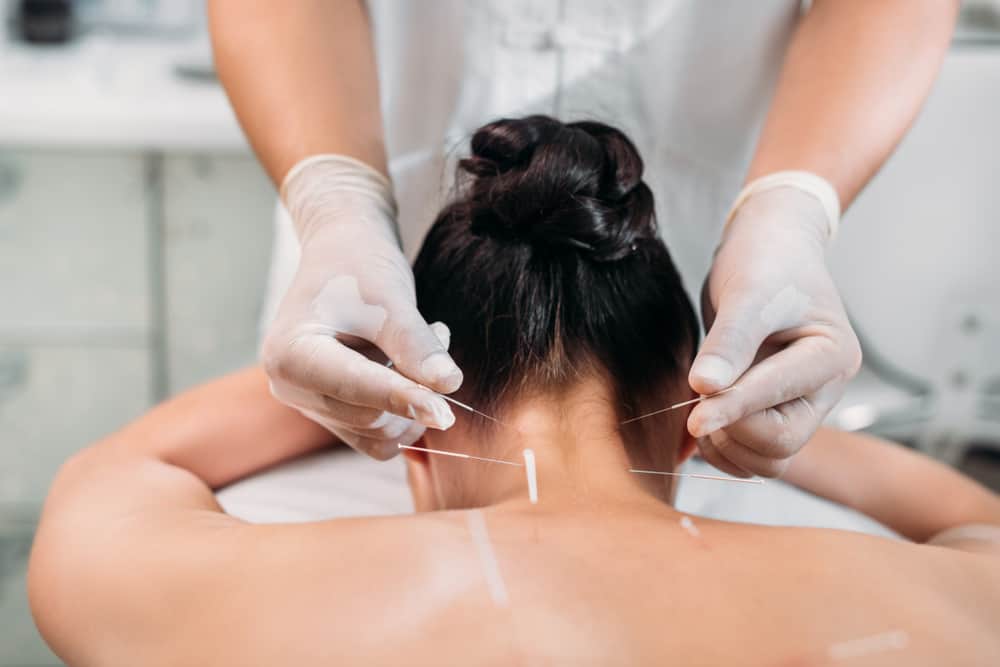
The mechanism isn’t mysterious. Acupuncture stimulates specific points along the body’s nervous system, triggering a hormonal and neurological response that includes the release of endorphins — your body’s own painkillers. It also reduces systemic inflammation, improves circulation, and calms the stress response, which is often a significant driver of chronic pain. A 2016 study published in the American Journal of Emergency Medicine found acupuncture worked faster than intravenous morphine for acute pain in 300 emergency patients, with fewer side effects. That’s a controlled clinical trial.
For Nassau County residents who are already working with an orthopedist, a pain management specialist, or a rheumatologist, it’s worth knowing that acupuncture doesn’t have to replace any of that. We work alongside your existing providers. Some of our practitioners have backgrounds in Western medicine, which makes that kind of collaboration genuinely useful rather than just a talking point. You don’t have to choose between your doctor and a more natural approach — the two can work together.
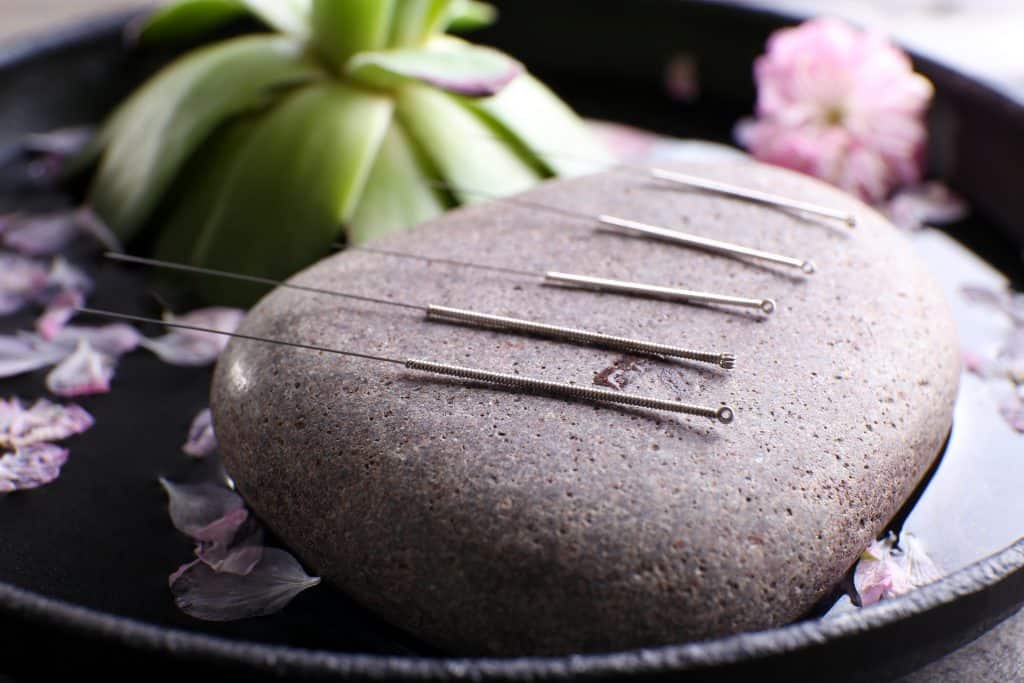
One more thing worth addressing directly: the needle concern. Acupuncture needles are hair-thin — nothing like the needles used for injections or blood draws. Most patients describe the sensation as mild pressure or a brief tingle, followed by a deep sense of relaxation. Many fall asleep on the table. If you’ve been putting this off because of needle anxiety, it’s worth knowing that’s one of the most common things people say before their first session, and one of the least common concerns they mention afterward.
What a Complete Natural Pain Relief Plan Looks Like in Practice
Acupuncture alone can produce real results. But the reason a fully integrated approach tends to outperform single-modality treatment is that chronic pain rarely has a single cause. It’s a combination of structural issues, inflammation, nervous system dysregulation, lifestyle factors, and in many cases, years of compensating for a problem that was never fully addressed. Treating one piece of that picture helps. Treating all of it is what produces lasting change.
At our practice, a complete treatment plan typically combines acupuncture with Chinese herbal medicine, dietary guidance, and lifestyle recommendations — all built around the individual patient’s condition and goals. The dietary piece matters more than people often expect. Certain foods are strongly pro-inflammatory (refined sugars, processed vegetable oils, excess alcohol), while others actively support the body’s ability to reduce inflammation and repair tissue. Omega-3 fatty acids, leafy greens, and foods rich in antioxidants aren’t just “healthy eating” in the general sense — they have measurable effects on the same inflammatory pathways that drive chronic pain.
The lifestyle component is similarly practical. Sleep quality, stress levels, and movement patterns all directly affect how the body manages pain. We don’t hand patients a pamphlet — we have actual conversations about what’s realistic given someone’s schedule, job, and daily life. For Nassau County residents who are commuting to the city, working long hours, and managing family responsibilities, that kind of grounded, practical guidance is more useful than generic wellness advice.
The other thing worth knowing is that many major insurance plans cover acupuncture — including NYSHIP, United Healthcare, Aetna, and Empire BCBS. We also accept New York State no-fault insurance and Workers’ Compensation, which is particularly relevant for patients recovering from auto accidents on the Southern State or Northern State Parkway, or from workplace injuries. If you’ve assumed this kind of care is entirely out of pocket, it’s worth a quick call to check — a lot of Nassau County patients are surprised to find out their plan covers more than they expected.
Finding Natural Pain Relief in Nassau County, NY
Chronic pain is common, but it doesn’t have to be permanent. Whether you’re dealing with joint pain that flares every winter, a back that’s been bothering you since a car accident, or a condition that’s been managed but never really resolved — there are drug-free options that work, and they’re more accessible than most people realize.
The key is finding an approach that treats the whole picture, not just the symptom in front of you. Acupuncture, Chinese herbal medicine, dietary support, and lifestyle guidance aren’t separate treatments you pick between — they’re tools that work better together, built around your specific situation.
If you’re ready to stop managing pain and start addressing it, we offer a free initial consultation for new patients in Nassau County. We’ve been treating Long Island residents for over 18 years, and we’d be glad to talk through what’s been going on and whether we can help.