Summary:
If you’ve been trying to conceive for a while, you already know how quickly this journey can become overwhelming. The appointments, the costs, the conflicting advice, the emotional weight of it all — it adds up fast. And somewhere in the middle of managing your treatment plan, it’s easy to feel like no one has actually sat down and explained what support looks like beyond the clinic.
This page is for Nassau County residents who want a clearer picture of what fertility counseling services exist on Long Island, how they work alongside medical treatment, and where to find them. We’ll cover local clinics, emotional support options, integrative therapies, and the questions most people are too busy — or too exhausted — to ask.
Long Island Fertility Clinics and Medical Specialists Nassau County Residents Should Know
Nassau County has a well-developed network of reproductive medicine clinics, and knowing who’s who makes it easier to build a care team that actually works for you. RMA of New York has locations in Garden City and Lake Success and has been serving Long Island families for over 35 years. NYU Langone’s fertility center in Mineola — right near the LIRR Mineola Station — offers a full wellness program that includes acupuncture, nutrition, and psychological support alongside standard fertility treatment.
NY Reproductive Wellness in Syosset takes a high-touch approach, emphasizing that the physician is present for every appointment. Spring Fertility has a Garden City clinic accessible via NICE bus. Northwell Health Fertility operates near the LIJ Medical Center in New Hyde Park. Each of these practices has a different feel, different strengths, and a different approach to the emotional and integrative side of care — which matters more than most people realize when you’re in the middle of treatment.
Fertility Emotional Support: Why the Mental Health Side of Infertility Deserves Real Attention
Here’s something that doesn’t get said enough: infertility is a mental health issue as much as a physical one. Between 25% and 60% of infertile couples experience clinically significant anxiety or depression — rates comparable to people diagnosed with cancer or heart disease. That’s not a fringe statistic. That’s the norm for people going through what you’re going through.
And yet, most reproductive endocrinologists don’t have the time or the training to address the emotional dimension of treatment. You leave an appointment with a protocol and a follow-up date, and the grief, fear, and exhaustion you walked in with are still sitting in the waiting room when you walk out. That gap is real, and it has real consequences. Research shows that many people end fertility treatment not because of cost, but because of emotional burnout. They simply can’t keep going.
This is why fertility emotional support — whether through individual counseling, couples therapy, mind-body programs, or peer support groups — is increasingly recognized as clinically relevant, not just a nice add-on. Cognitive behavioral therapy adapted for infertility has shown measurable benefits. Mind-body programs reduce cortisol and anxiety. Support groups help people stay in treatment longer and feel less alone in the process.
What this looks like in practice varies. Some people need a licensed therapist who specializes in reproductive mental health. Others find that regular acupuncture sessions — which directly regulate the nervous system and reduce stress hormones — provide the emotional grounding they need to keep going. Many people benefit from both. The point isn’t to prescribe a single path; it’s to recognize that the emotional side of this journey isn’t separate from the clinical side. They’re the same journey.
How Integrative Care Fits Into Your Fertility Treatment Plan
One of the most common misconceptions about acupuncture and integrative fertility care is that it’s an either/or decision — either you pursue medical treatment or you try a complementary approach. That’s not how it works, and it’s not how the evidence frames it either.
The clinics at NYU Langone Mineola and RMA of New York both incorporate or recommend complementary therapies as part of their total fertility wellness approach. That’s not coincidental. A meta-analysis across nine clinical trials involving nearly 2,000 women found that acupuncture increased the likelihood of live birth by 30% compared to no treatment. A separate study from Tel Aviv University found a 65.5% conception rate when acupuncture was combined with IUI, versus 39.4% without it. These aren’t fringe findings — they’re published, peer-reviewed results.
The mechanism isn’t mysterious either. Acupuncture improves blood flow to the uterus and ovaries, helps regulate hormones, and reduces cortisol — the stress hormone that, when chronically elevated, can disrupt ovulation and menstrual regularity. For someone managing the emotional weight of fertility treatment while commuting to a demanding job in Nassau County, that cortisol piece matters more than most people realize.
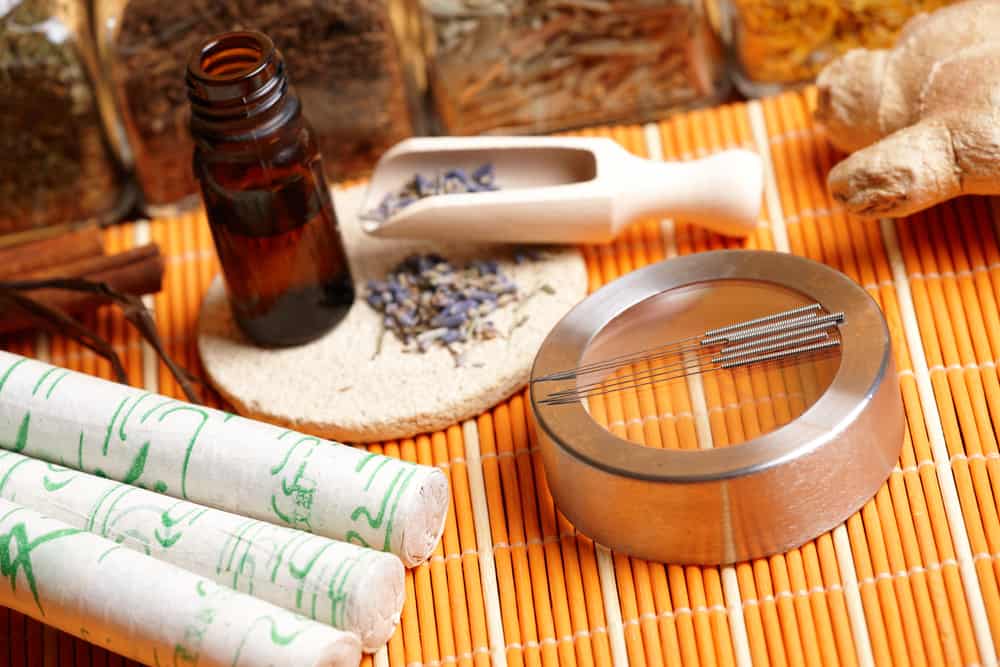
Integrative care works best when it’s timed intentionally. Starting acupuncture three to six months before an IVF cycle gives the body time to respond. Treatment protocols can be aligned with your cycle, your embryo transfer date, or your IUI schedule. The goal is to make your body as receptive as possible — not to replace your medical team, but to work alongside them. That collaborative model is exactly what we practice at Think Acupuncture, and our practitioners are trained to understand IVF protocols, not just TCM pattern diagnosis.
Fertility Support Groups and Community Resources on Long Island
Feeling isolated during fertility treatment is incredibly common — and incredibly hard. Nassau County’s suburban geography means you’re unlikely to run into someone at the coffee shop who’s going through the same thing, even though statistically, plenty of your neighbors are. The Infertility and Pregnancy Loss Support Center of Long Island offers group programs specifically tailored to primary infertility, secondary infertility, egg donation, and pregnancy loss — and they’re built for this community, not a generic national audience.
RESOLVE: The National Infertility Association runs a Suffolk County Infertility Support Group with monthly in-person meetings and virtual options, which makes it accessible for Nassau County residents as well. RMA of New York’s Long Island locations offer a Mind and Body program with small-group sessions for women and a separate group for men — because male factor infertility contributes to roughly half of all cases, and men rarely have a space to talk about it.
What to Look for in a Fertility Support Group Near Nassau County
Not every support group is built the same way, and finding one that actually helps means knowing what to look for. The most effective fertility support groups are specific — not just “infertility” as a broad category, but groups organized around where you are in the process. Someone navigating a first IUI has different needs than someone who’s had three failed IVF cycles or is considering donor eggs. When a group is too broad, the conversations can feel disconnected from your actual experience.
Facilitation matters too. Peer-led groups offer a different kind of connection than professionally facilitated ones — neither is better, but they serve different purposes. A professionally facilitated group, especially one led by a therapist who specializes in reproductive mental health, can help you process grief, manage anxiety, and develop coping strategies in a structured way. A peer-led group gives you the raw, unfiltered experience of people who are living exactly what you’re living.
For Nassau County residents, geography and scheduling are practical factors. Monthly in-person groups work well for some people; others need the flexibility of a weekly virtual option. RESOLVE’s online forums and AllPaths Family Building’s digital community are worth knowing about if local timing doesn’t work for your schedule. The goal is consistency — showing up once and never going back doesn’t give the support time to work. Research consistently shows that couples who engage with support communities are more likely to continue treatment and explore new options rather than withdrawing out of exhaustion.
Support groups aren’t for people who’ve given up. They’re for people who are still fighting and want to do it alongside others who understand the terrain.
Insurance Coverage for Fertility Services in Nassau County — What New York Law Actually Provides
New York State has one of the stronger infertility insurance mandates in the country. Insurers covering 50 or more employees are required to cover infertility diagnosis and treatment, including up to three IVF cycles. For Nassau County residents working for mid-size or large employers — which describes a significant portion of the county’s professional workforce — this means meaningful coverage is likely already in place. Many people don’t realize the extent of what they’re entitled to until they actually call and ask.
Where it gets more complicated is on the complementary care side. Acupuncture coverage varies by plan, but it’s more common than most people assume. We accept NYSHIP, United Healthcare, Aetna, and Empire BCBS — plans that cover a large share of Nassau County residents, including state employees, teachers, and healthcare workers. If you’ve been putting off exploring acupuncture because of cost, it’s worth a quick call to verify your benefits before you decide.
This matters in the context of the full financial picture. IVF cycles in the New York area run between $14,050 and over $20,400 per cycle. That’s a significant investment, and every covered complementary service reduces the total out-of-pocket burden. When acupuncture sessions are covered — and they often are — the decision to add integrative support to your treatment plan becomes a lot easier to make. We offer a free consultation so you can understand exactly what we do and whether it fits your situation before committing to anything. No pressure, no obligation — just a real conversation about where you are and what might help.
Finding the Right Fertility Counseling Services in Nassau County, NY
The fertility journey on Long Island doesn’t have to be navigated alone, and it doesn’t have to mean choosing between your medical team and everything else. The most effective path forward usually involves both — a reproductive endocrinologist managing your clinical care and an integrative provider addressing the physical and emotional dimensions that fall outside the exam room.
Nassau County has real resources: strong fertility clinics, dedicated support groups, and integrative practitioners who understand how to work within the bigger picture of your treatment plan. The key is knowing what’s available and what each piece actually does.
If you’re ready to explore how acupuncture and integrative care can support your fertility journey, we’re here to help. Reach out to schedule your free consultation — and bring your questions. That’s exactly what it’s for.