Summary:
You’re probably not here because you believe in acupuncture. You’re here because something hasn’t been working — a chronic ache that won’t quit, stress that’s become your baseline, or a condition you’ve been managing for years without ever really resolving. And now you’re wondering if there’s something you’ve been too quick to dismiss.
That’s a reasonable place to be. The question “does acupuncture work” deserves a straight answer — not a sales pitch, not a history lesson about ancient China, but an honest look at what the science actually shows. That’s what this is.
How Does Acupuncture Work? The Neuroscience Behind the Needles
The traditional explanation involves Qi — a life force that flows through pathways in the body called meridians. Disruptions in that flow, according to Traditional Chinese Medicine, are what cause illness. It’s a framework that’s guided practitioners for over 3,000 years, and modern science is now starting to map what’s actually happening underneath it.
When an acupuncture needle is inserted, it activates sensory nerve fibers near the insertion point. Those signals travel up the spinal cord to the brainstem, where key centers switch on descending pathways that release serotonin, norepinephrine, and the body’s own opioid-like chemicals — endorphins — back into the spinal cord. The result is that pain signals get blunted before they ever reach the brain.
There’s also a more localized effect. Adenosine, a natural pain-relieving compound, is released directly at the needle site. Taken together, these mechanisms explain why acupuncture’s effects aren’t just psychological. In fact, when researchers administered naloxone — a drug that blocks opioid receptors — acupuncture’s pain-relieving effects were significantly reduced. Placebo doesn’t work that way. That’s a meaningful distinction.
What Conditions Does Acupuncture Actually Help With?
This is where it’s worth being honest rather than exhaustive. Acupuncture doesn’t have equally strong evidence for every condition it’s sometimes promoted for, and overclaiming doesn’t help anyone make a real decision.
What the research does support, clearly and consistently, is acupuncture’s effectiveness for pain. A 2022 analysis published in the BMJ reviewed more than 2,000 scientific studies and found the strongest evidence behind acupuncture for neck and shoulder pain, lower back pain, fibromyalgia, and muscle pain — conditions that are, not coincidentally, among the most common reasons people in Nassau County, NY start looking for alternatives to medication or repeated specialist visits. The National Institutes of Health echoes this, noting that chronic pain conditions like osteoarthritis and lower back pain have the most robust evidence base.
Beyond pain, the research extends into anxiety, stress, and insomnia. A body of work on acupuncture’s effect on the autonomic nervous system shows it can help regulate the stress response — relevant for anyone whose baseline is running too hot. There’s also meaningful evidence for allergy relief, post-stroke recovery support, and fertility outcomes, particularly for patients going through IUI or IVF cycles.
A 2025 review published in ScienceDirect analyzed 862 systematic reviews covering 184 distinct medical conditions. Of those, 92 showed either positive or potentially positive evidence for acupuncture. Only 6 showed no evidence of effect. That’s not a fringe therapy. That’s a treatment modality with a serious and growing scientific record — one that’s been expanding at roughly twice the rate of research into conventional biomedicine over the past two decades.
For Nassau County residents who’ve been bouncing between specialists and still not getting lasting relief, that context matters. It means acupuncture isn’t a last resort you try out of desperation. It’s a clinically supported option that a lot of people simply haven’t been given the full picture on.
Does Acupuncture Work for Weight Loss?
This one gets asked a lot, and the honest answer is: it can help, but not in the way most people imagine. Acupuncture isn’t a substitute for diet and lifestyle changes, and anyone telling you otherwise isn’t being straight with you. What it can do is work alongside those changes in ways that are increasingly well-documented.
The mechanism here involves the hypothalamus — the part of the brain that regulates hunger, metabolism, and energy balance. Research published in Frontiers in Endocrinology found that acupuncture, particularly electroacupuncture, can influence neural circuits involved in appetite regulation and fat metabolism. It affects neuropeptides like NPY that signal hunger and satiety, and it appears to modulate the gut-brain axis through the vagus nerve.
In terms of outcomes, a 2019 meta-analysis of 31 clinical studies found that acupuncture reduced body weight by an average of 1.5 to 3 kilograms compared to control groups. That’s not dramatic on its own, but it’s meaningful when you consider it as part of a broader approach. When acupuncture is combined with dietary guidance and lifestyle adjustments — which is exactly how we approach it — the results tend to be more sustained than when any single intervention is used in isolation.
The reason this matters for the way we practice is that we’re not offering needle sessions in a vacuum. Our approach combines acupuncture with Chinese herbal medicine, diet counseling, and lifestyle guidance because that’s how Traditional Chinese Medicine was designed to work — as an integrated system that addresses what’s actually driving the problem, not just the symptom sitting on top of it. For weight management, that means looking at digestion, stress, sleep, and metabolic function together rather than treating the number on the scale as the whole story.
Does Acupuncture Really Work, or Is It Just Placebo?
This is the question underneath the question, and it deserves a direct answer. The placebo objection is reasonable — plenty of things that feel good don’t actually do anything measurable. But acupuncture’s effects hold up under scrutiny in ways that placebo responses don’t.
The clearest evidence comes from the naloxone studies mentioned earlier. Naloxone blocks opioid receptors in the body. When researchers gave it to patients receiving acupuncture, the pain-relieving effect was significantly diminished. Placebo effects aren’t blocked by opioid antagonists — that’s not how placebo works. The fact that acupuncture’s effect was reduced by naloxone tells us something real is happening at the biological level.
That doesn’t mean every study shows dramatic results, and it doesn’t mean acupuncture works equally well for every person or every condition. What it does mean is that dismissing it as “just placebo” isn’t supported by the evidence.
Why Nassau County, NY Residents Are Reconsidering Acupuncture Now
There’s a specific profile of person who ends up searching “does acupuncture work” in Nassau County, and it’s not who you might expect. It’s not someone who’s into wellness trends or looking for a spa experience. It’s more often someone who commutes into the city on the LIRR five days a week, sits hunched over a laptop for most of those hours, and has been dealing with neck tension or lower back pain for so long that it’s started to feel normal. Or someone managing anxiety without medication because they don’t want to go that route. Or a couple who’s been through fertility treatments and is looking for every reasonable edge they can get.
Nassau County has a well-educated, high-income population — nearly half of adults hold a bachelor’s degree or higher, and the median household income is among the highest in New York State. That demographic doesn’t tend to make healthcare decisions lightly. You want to see the research. You want to understand the mechanism. And when you do, the conversation changes.
What also changes the conversation is knowing that acupuncture is often covered. Nearly 97% of Nassau County residents have health insurance, and major insurance plans, No-Fault, and Workers’ Comp are all accepted at our locations. Cost is one of the first objections people raise, and for most Nassau County residents, it’s less of a barrier than you assumed. That matters when you’re weighing whether to finally book that first appointment.

What Happens If You Bruise After Acupuncture?
This comes up often, especially for first-timers, and it’s worth addressing plainly. Bruising after acupuncture is possible. It’s also uncommon — a British Medical Journal survey put the rate at roughly 1 in 10,000 cases — and when it does happen, it’s almost always minor and resolves on its own within a few days.
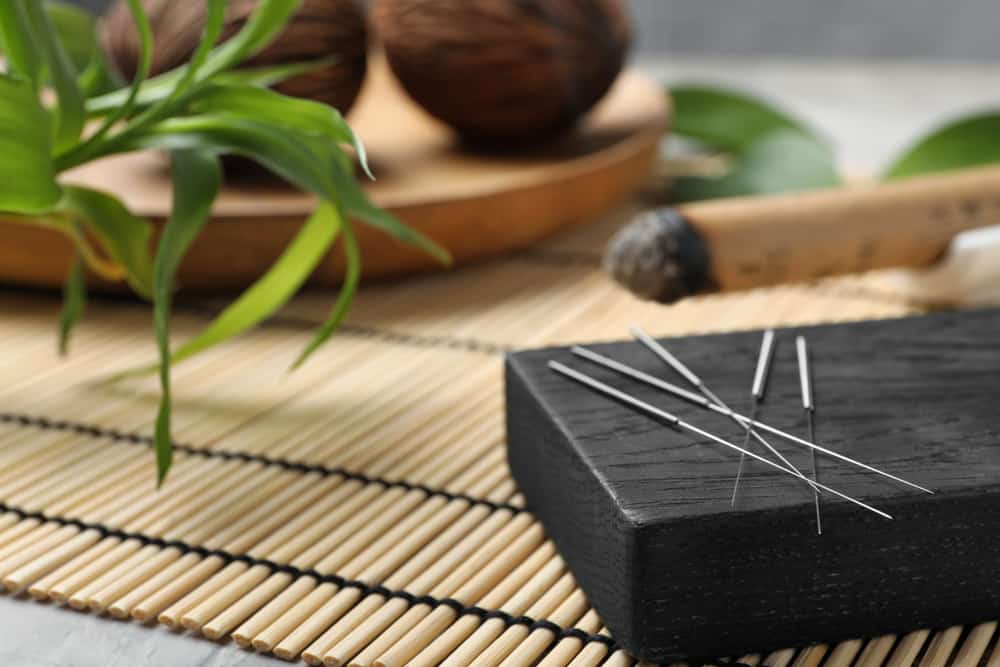
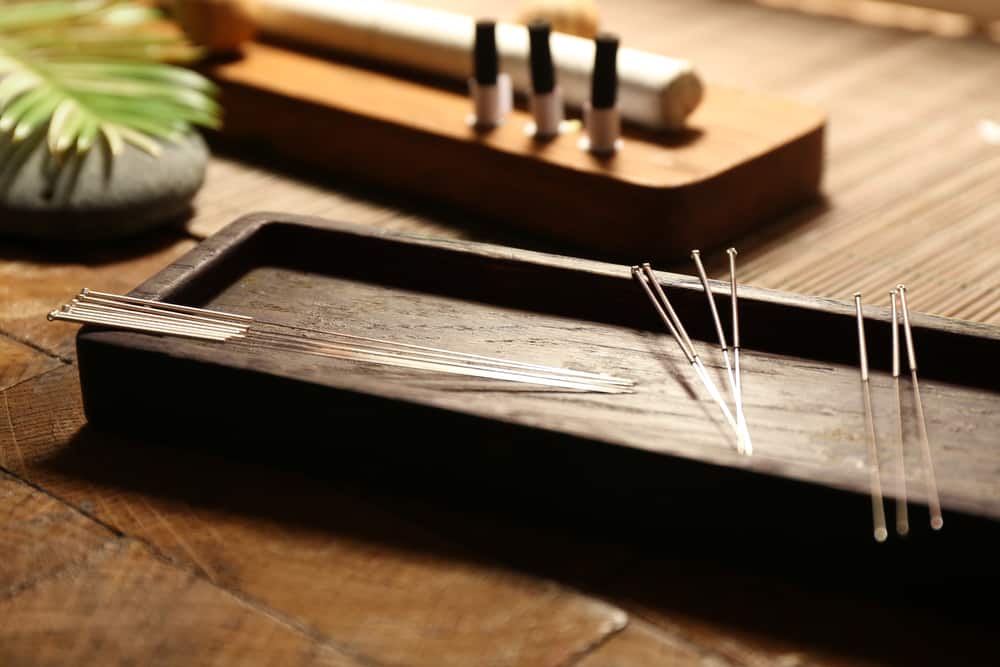
Here’s why it happens: acupuncture needles are incredibly fine, often described as being about the width of a strand of hair, but they do penetrate the skin. Occasionally, a needle will nick a small blood vessel near the surface, causing a small bruise to form at the insertion point. The body responds by increasing blood circulation to the area to promote healing — which is actually part of the therapeutic mechanism. The bruise itself is typically painless.
People who take blood thinners or who bruise easily in general are more susceptible, and a good practitioner will ask about this during your intake. In Nassau County, NY, where a significant portion of residents are over 65 and more likely to be on anticoagulant medications, this is something we take seriously and discuss upfront.
What bruising is not is a sign that something went wrong. It’s a normal, if infrequent, skin response to a fine needle. If you’re someone who’s been hesitant to try acupuncture because you’re worried about side effects, bruising is genuinely the most common one — and it’s about as minor as side effects get. Compare that to the side effect profiles of long-term pain medication or other interventions, and the risk picture looks very different.
The more important thing to know is that acupuncture, when performed by a licensed practitioner, has an extremely strong safety record. New York State has required licensure for acupuncturists since 1991, and national board certification through the NCCAOM requires a minimum of 1,490 hours of education in acupuncture alone. The practitioners you’re trusting with those needles have put in serious training to earn the right to use them.
Is Acupuncture Worth Trying? Here's What the Evidence Suggests
If you came into this article skeptical, that’s not a problem — it’s actually the right starting point. Skepticism means you want evidence, and the evidence for acupuncture is more substantial than most people realize. Over 13,000 peer-reviewed studies across 60 countries, NIH recognition since 1997, and a clear biological mechanism that doesn’t rely on belief to function. That’s a meaningful body of work.
Whether acupuncture is right for your specific situation depends on what you’re dealing with. For chronic pain, anxiety, sleep issues, fertility support, and stress-related conditions, the case is strong. For everything else, an honest conversation with a qualified practitioner is the best way to find out.
If you’re in Nassau County, NY and you’ve been sitting on this question for a while, Think Acupuncture offers a free consultation — not to sell you on a treatment plan, but to give you a real assessment of whether this approach fits your situation. That’s a low-stakes way to get the answer you’ve been looking for.