Summary:
You’ve probably already been through the usual channels — a specialist here, a prescription there, maybe some physical therapy. Things helped a little, or not at all, and here you are still dealing with the same problem. That’s where most people are when they start looking into a wholistic wellness clinic.
Not as a leap of faith, but as a logical next step. This page explains what a wholistic wellness clinic actually is, what acupuncture contributes to that model, and what you can realistically expect. If you’re in Nassau County and considering this kind of care for the first time, this is a good place to start.
What Is a Wholistic Health and Wellness Center?
The word “wholistic” is intentional. It emphasizes the whole person — body, mind, and the way the two interact — rather than treating a single symptom in isolation.
A wholistic wellness clinic operates on the premise that most health issues don’t exist in a vacuum. Chronic back pain isn’t just a structural problem. Persistent anxiety isn’t just a brain chemistry issue. Sleep disruption, hormonal imbalance, digestive trouble — these things tend to be connected, and a wholistic approach tries to understand those connections rather than address each one separately.
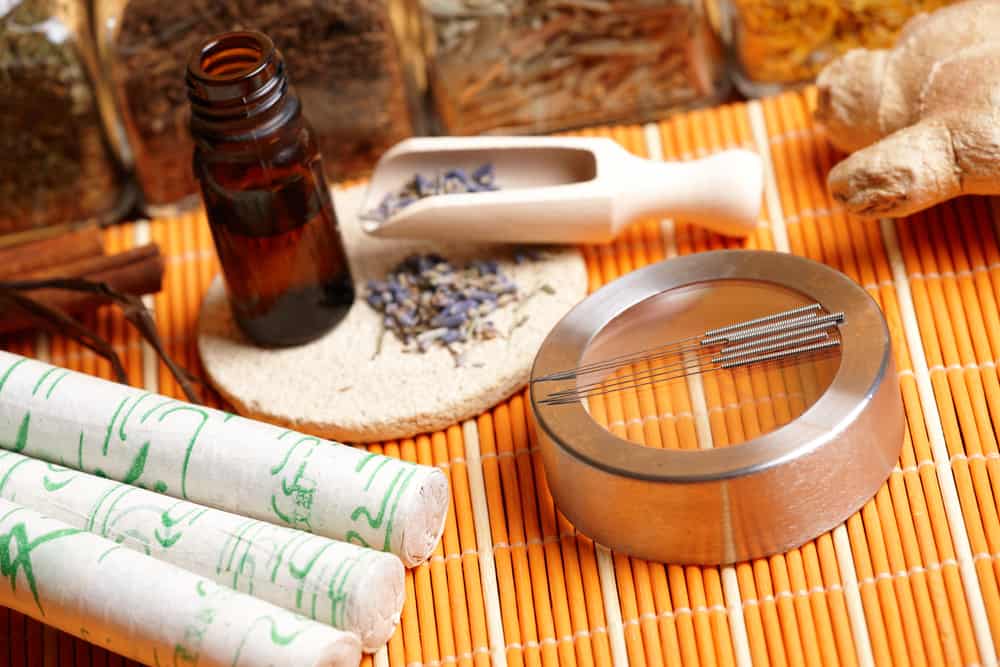
In practice, that means a good wholistic clinic offers more than one tool. Acupuncture is typically the centerpiece, but it works alongside herbal medicine, dietary guidance, and lifestyle support. The goal is to find what’s actually driving the problem and address that — not just quiet the signal.
How Does Acupuncture Actually Work?
Acupuncture is rooted in Traditional Chinese Medicine, a system with over 3,000 years of documented use. The foundational concept is Qi — pronounced “chee” — the energy that moves through the body along pathways called meridians. When that flow is blocked or disrupted, the body registers it as pain, illness, or imbalance.
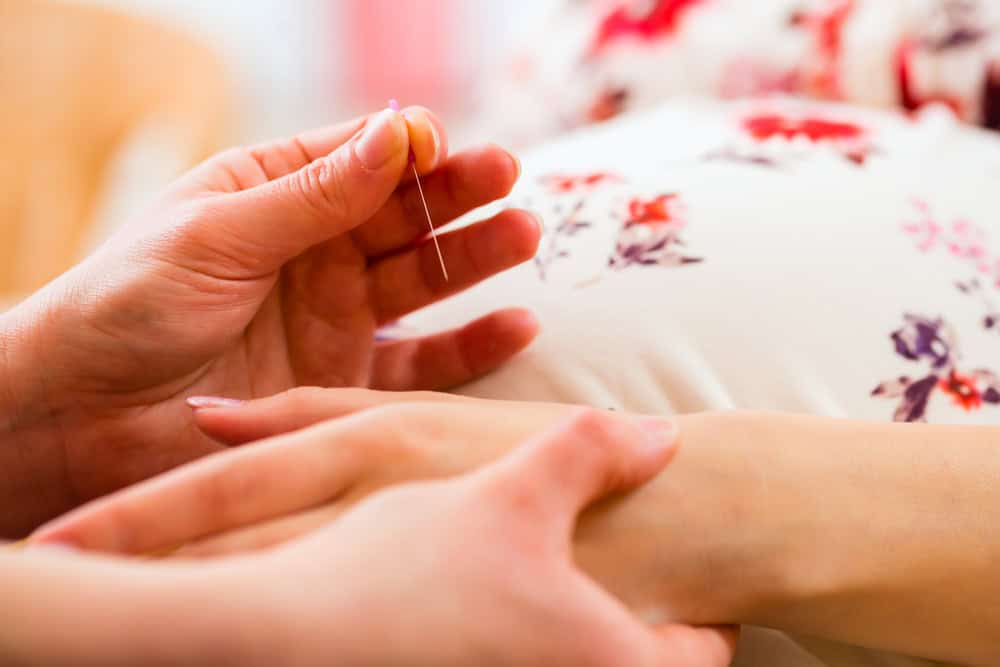
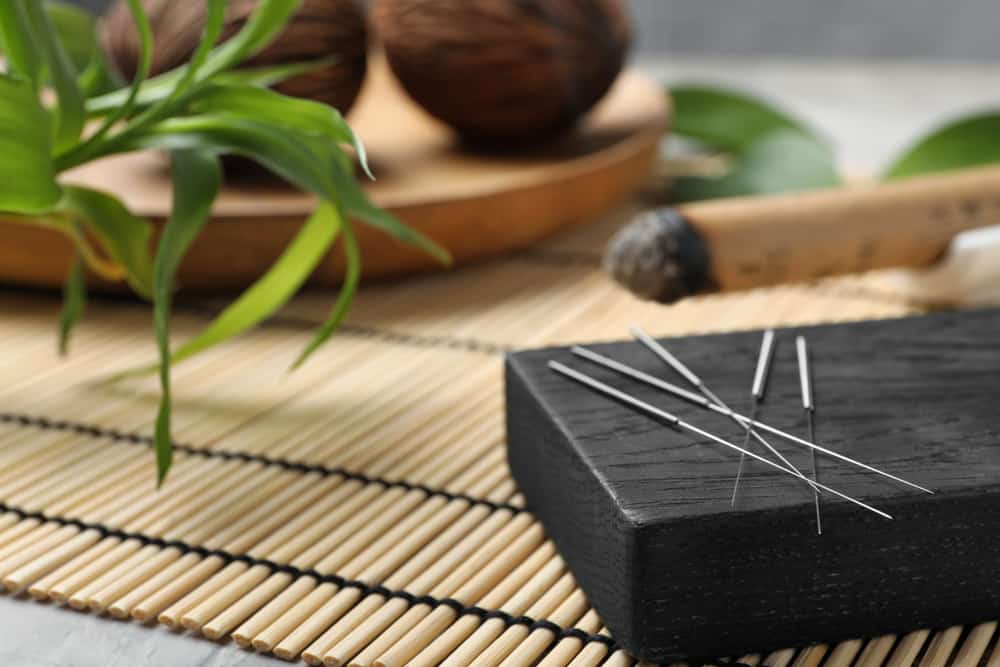
Acupuncture works by stimulating specific points along those meridians with very thin needles, encouraging the body to restore its own equilibrium. That might sound abstract if you’re coming from a Western medicine background, and that’s fair. But the clinical evidence behind acupuncture has grown substantially.
The World Health Organization recognizes acupuncture as appropriate for over 100 conditions — including chronic pain, headaches, anxiety, digestive disorders, and reproductive health. The National Institutes of Health has funded research showing acupuncture outperforms both sham treatment and no treatment for back and neck pain, osteoarthritis, shoulder pain, and headaches. An Australian clinical trial found it to be as effective as pharmaceutical drugs for pain relief.
What this means practically is that acupuncture isn’t a fringe wellness trend. It’s a clinically studied modality with a legitimate place in a modern healthcare plan. Our practitioners at Think Acupuncture hold New York State licensure at the highest level of training available, along with NCCAOM board certification in both acupuncture and Chinese Herbology — a dual credential that goes beyond what licensure alone requires.
Some of our practitioners also carry Western medical backgrounds, which means we can work alongside your existing healthcare team rather than around them. That collaborative model is something most Nassau County patients haven’t encountered in a holistic setting before.
A first appointment isn’t just needles. It starts with a thorough intake — your health history, current symptoms, lifestyle habits, sleep patterns, stress load. From there, we build a personalized treatment plan around your specific situation. Not a protocol pulled from a shelf, but a plan that reflects what’s actually going on with you.
What Conditions Does Acupuncture Treat?
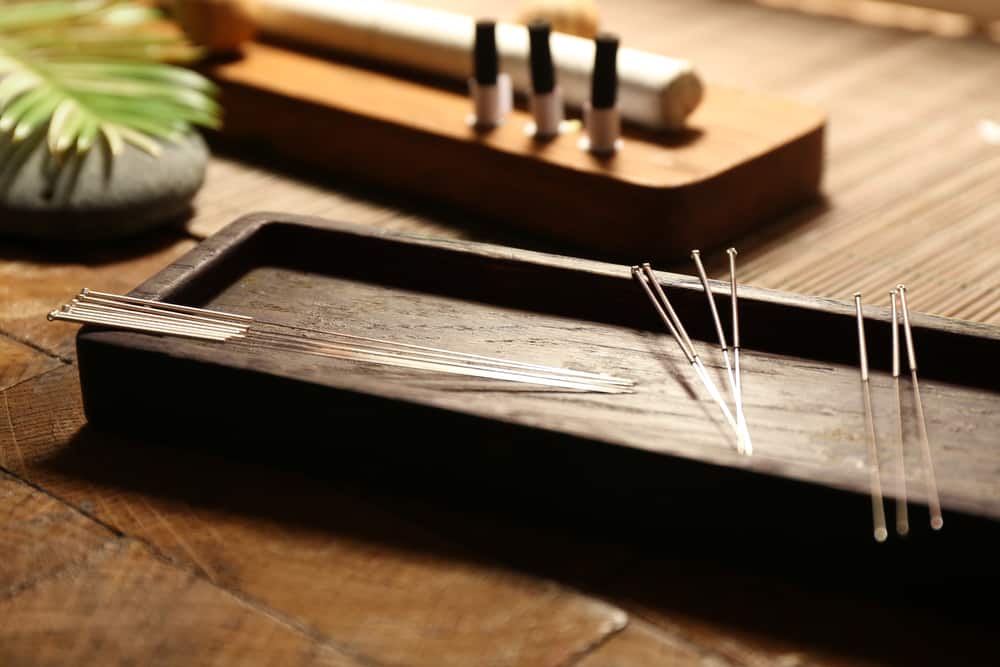
This is one of the most common misconceptions: that acupuncture is mainly for back pain. It’s a reasonable assumption — pain management is where most people first encounter it — but the scope is much broader.
At Think Acupuncture, we work with patients dealing with chronic pain across the body, stress and anxiety, insomnia, fertility challenges, hormonal imbalance, digestive issues, and immune support. Fertility is a particular area of depth for us.
We offer a structured fertility program supporting natural conception, IUI preparation, and IVF support — with individualized plans and a level of care that goes well beyond a generic “we treat fertility” claim. For couples who’ve been navigating that process, the combination of acupuncture and Chinese herbal medicine can make a meaningful difference in how the body responds.
Stress is another area where we see consistent results, and it’s especially relevant in Nassau County. The average commute here runs about 36 minutes each way — and that’s just the drive time. Many residents are commuting into New York City via the LIRR on top of full professional and family schedules. That kind of sustained stress load accumulates.
It shows up as tension in the neck and shoulders, disrupted sleep, heightened anxiety, and eventually more serious health issues. Acupuncture addresses the physical expression of that stress, not just the feeling of it. The conditions we treat align directly with what the World Health Organization and the National Institutes of Health have recognized as appropriate for acupuncture treatment. That’s the standard we hold ourselves to.
Acupuncture on Long Island: What Nassau County Residents Should Know
Nassau County is one of the most densely populated suburban counties in the country, with close to 1.4 million residents and a healthcare landscape to match. There’s no shortage of options — conventional, integrative, and everything in between. What’s harder to find is a practice that genuinely bridges those worlds rather than operating in isolation from them.
Think Acupuncture has been serving Long Island for over 18 years, with two locations — Ronkonkoma and Huntington Station — that put care within reach for Nassau County residents without requiring a trip into the city. That local presence matters. It means we understand this community, its pace, and the specific health pressures that come with living here.
Does Insurance Cover Acupuncture in New York?
This is often the question that stops people before they even make a call. The assumption is that holistic care is an out-of-pocket expense — something you pay for yourself after your “real” healthcare is handled. That assumption is increasingly outdated.
Major insurance carriers now cover acupuncture for a range of conditions, particularly chronic pain. We accept major insurance plans, No-Fault insurance, and Workers’ Compensation. That last one is worth noting specifically — patients recovering from workplace injuries or auto accidents often don’t realize that acupuncture is a covered option under those policies.
Nassau County has one of the highest health insurance coverage rates in the state. According to the Northwell Health Community Health Needs Assessment, more than 97% of Nassau County adults between 18 and 64 have health insurance. That means the vast majority of people reading this page already have coverage that may include acupuncture.
The practical step is simply to call and check. We can help you navigate that conversation and verify what your plan covers before you commit to anything. For patients who’ve been putting off exploring acupuncture because of cost concerns, this is the part worth revisiting. The barrier is often lower than expected — and we’d rather you know that upfront than assume it’s out of reach.

How to Choose the Right Wholistic Wellness Clinic in Nassau County
Not all acupuncture clinics are the same, and it’s worth knowing what to look for before you book. In New York State, a licensed acupuncturist must complete a three-year professional training program, hold a minimum of two years of college education, and pass the NCCAOM national board exams. That’s the floor. The question is what a given practitioner brings beyond that baseline.
Credentials matter — specifically, whether your acupuncturist is board-certified through the NCCAOM, whether they hold additional certification in Chinese Herbology, and whether they have experience treating your specific condition. A clinic that offers acupuncture alongside herbal medicine, dietary counseling, and lifestyle guidance is operating at a different level than one that only places needles. The former treats the whole picture; the latter treats a single variable.
The clinical environment matters too. Acupuncture works best when the patient is genuinely relaxed, and that doesn’t happen in a rushed, impersonal setting. At Think Acupuncture, creating a calm, comfortable environment isn’t a marketing line — it’s something we’ve built our practice around over 18 years. Patients who’ve spent years cycling through conventional appointments that felt transactional tend to notice the difference quickly.
It’s also worth asking whether the clinic integrates with your existing care. If you’re working with an OB-GYN on a fertility plan, or a pain management specialist, or a cardiologist, your acupuncturist should be able to communicate with that team — not operate in a separate lane. Our practitioners’ dual Eastern-Western backgrounds make that kind of collaboration natural rather than awkward. We’re not asking you to choose between approaches. We’re offering a way to make both work better together.
Finally, look for a practice that will give you honest expectations. Meaningful results in a few sessions are genuinely common — patient after patient at Think Acupuncture has described significant improvement in pain, anxiety, or sleep after just a handful of visits. But no reputable clinic promises overnight cures, and you should be skeptical of any that do. What we offer is a free initial consultation so you can ask your questions, understand the process, and decide whether it makes sense — without any pressure or financial commitment upfront.
Is a Wholistic Wellness Clinic Right for You?
If you’ve read this far, you’re probably not someone who stumbled onto this page by accident. You’re dealing with something — chronic pain, persistent stress, fertility challenges, or just a sense that conventional care hasn’t gotten to the bottom of it — and you’re looking for a more complete answer.
A wholistic wellness clinic doesn’t replace your existing healthcare. It adds to it. Acupuncture, herbal medicine, dietary guidance, and lifestyle support working together can address what isolated treatments often miss: the underlying imbalance that keeps the problem coming back.
Nassau County residents have access to this kind of care close to home. If you’re ready to understand what it could look like for your specific situation, Think Acupuncture offers a free consultation to start that conversation — no commitment required, just an honest assessment of where you are and what might help.