
Summary:
Most people searching for how to get rid of severe anxiety without medication aren’t doing it out of curiosity. They’re doing it because something isn’t working. Maybe the medication helped at first, then stopped. Maybe the side effects weren’t worth it. Maybe you just don’t want to be dependent on a prescription indefinitely — and that’s a completely reasonable place to be.
Nassau County is one of the most high-pressure places to live in the country. The commute, the cost of living, the pace — it adds up. And when anxiety becomes severe enough to affect your sleep, your relationships, or your ability to function at work, you need more than a breathing exercise. You need something that actually gets to the root of it.
How to Deal With GAD Without Medication
Generalized anxiety disorder — GAD — isn’t just occasional worry. It’s the kind of anxiety that’s there when you wake up, follows you through the day, and makes it hard to turn your brain off at night. It’s excessive, persistent, and often feels completely out of proportion to what’s actually happening around you.
The conventional answer is usually medication. And for some people, that’s the right call. But a significant number of people either can’t tolerate the side effects, don’t want the long-term dependency, or simply find that medication blunts the anxiety without ever resolving what’s driving it. That gap — between symptom management and actual recovery — is exactly where non-medication approaches have the most to offer.
The key distinction is this: managing anxiety and treating anxiety are not the same thing. Coping strategies help you get through the day. A root-cause approach asks why your nervous system is stuck in overdrive in the first place — and works to change that.
Best Ways to Relieve Anxiety Without Medication
There’s no shortage of advice on this topic — most of it pointing toward journaling, exercise, sleep hygiene, and meditation apps. Those things genuinely help, and we’re not dismissing them. But if you’re dealing with severe anxiety, you’ve probably already tried most of that. And if it were enough, you wouldn’t still be searching.
What the research actually shows is that acupuncture is one of the most clinically supported non-medication options available for anxiety disorders. A meta-analysis of 20 randomized controlled trials found that acupuncture produced statistically significant reductions in anxiety symptoms compared to control conditions, with a standard mean effect size of −0.41 (p < 0.001). A separate systematic review covering 19 studies found that acupuncture alone outperformed medication alone on the Hamilton Anxiety Rating Scale — a validated clinical measure used to assess the severity of anxiety disorders. Across a comprehensive analysis of 27 high-quality trials involving nearly 1,800 people, acupuncture consistently reduced anxiety symptoms with fewer side effects than conventional treatments.
What makes acupuncture different from the standard list of coping strategies is that it works at a physiological level. Needle placement at specific points on the body has been shown to regulate the nervous system, reduce cortisol levels, and modulate the relationship between the prefrontal cortex and the amygdala — the part of the brain responsible for the fight-or-flight response that anxiety hijacks. In other words, it’s not just helping you feel calmer in the moment. It’s working on the underlying patterns that keep anxiety running in the background.
For people with GAD specifically, this matters. GAD is not a situational reaction — it’s a chronic pattern. Approaches that only address the surface-level symptoms tend to produce surface-level results. Approaches that address why the nervous system is dysregulated in the first place have a better shot at producing lasting change.
Cognitive behavioral therapy (CBT) is another well-researched non-medication option worth mentioning. Research from Mayo Clinic Press notes that people who complete CBT maintain their gains longer than those who rely on medication alone. Acupuncture and CBT are not competing approaches — many patients use both simultaneously, and the combination can be more effective than either on its own.
What Happens During Acupuncture Treatment for Severe Anxiety
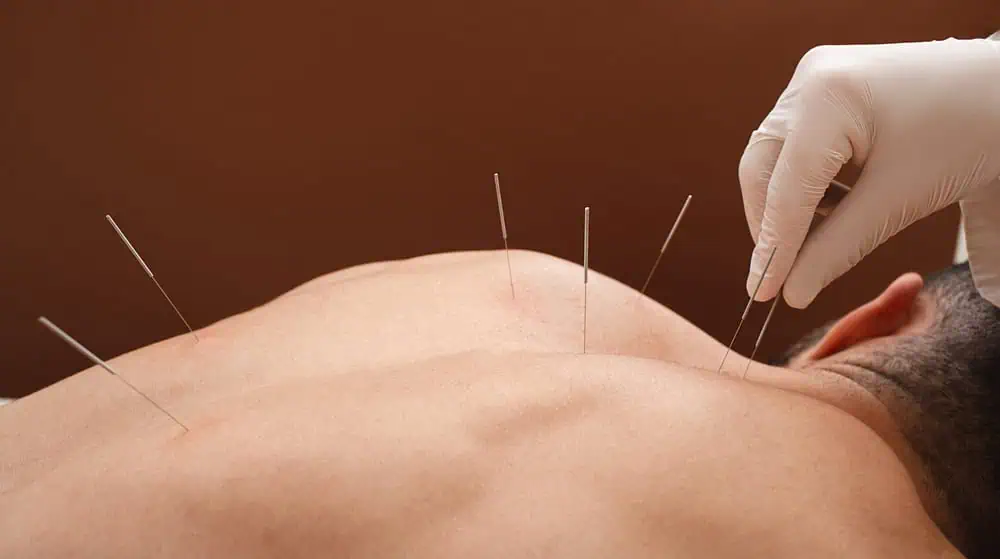
One of the most common reasons people hesitate before trying acupuncture is the needle question. It’s fair. The word “needle” carries a certain weight, and if you’re already anxious, the idea of being poked with one doesn’t sound relaxing.
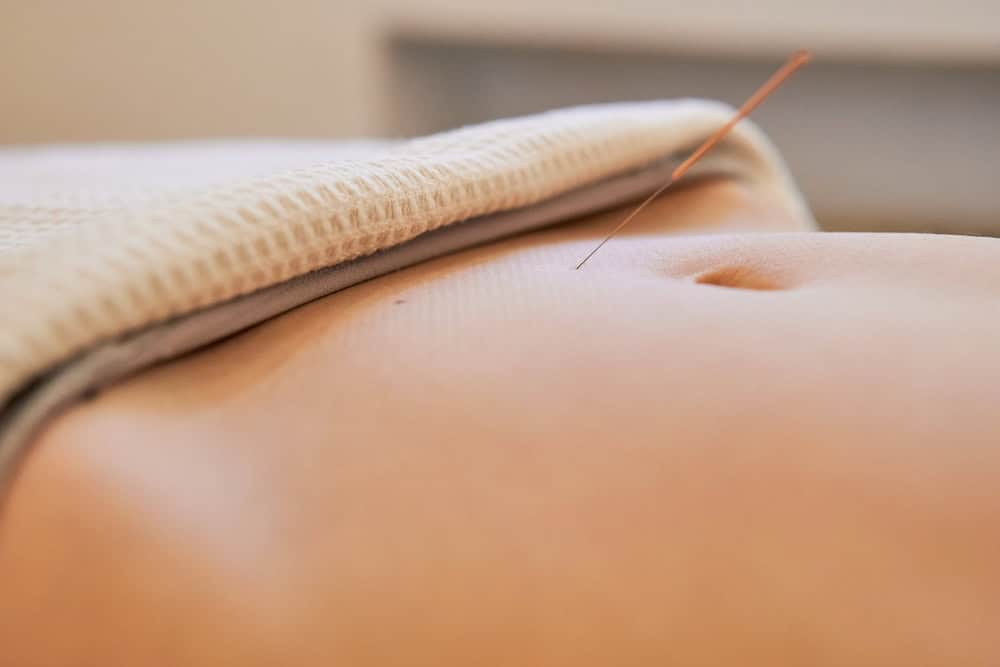
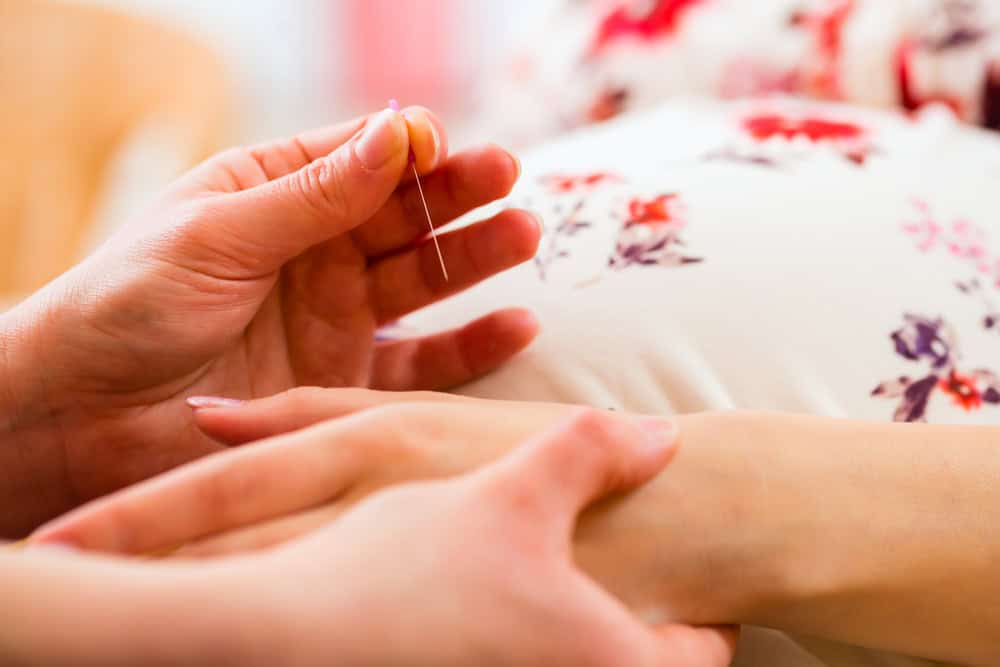
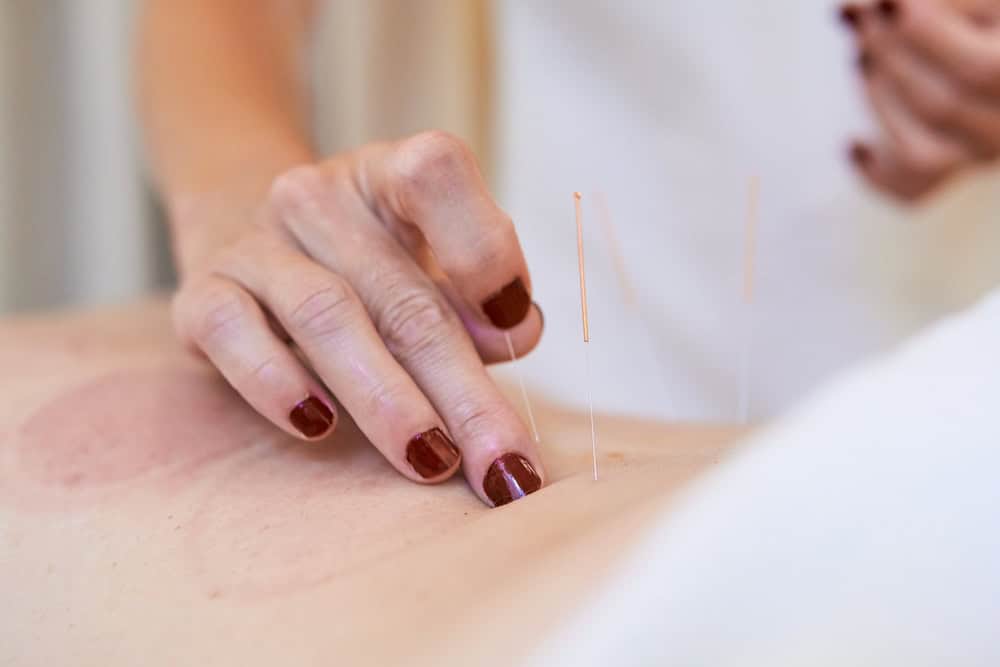
Here’s what actually happens: acupuncture needles are not the same as the hypodermic needles used for injections or blood draws. They’re extremely thin — closer to a strand of hair than a syringe — and most patients find the placement either painless or accompanied by nothing more than a mild, brief sensation. Once the needles are in place, you rest. A typical session involves somewhere between 2 and 40 needles, depending on your treatment plan, and they remain in place for around 20 to 30 minutes. Most people find the experience deeply calming — some fall asleep on the table.
The first appointment at Think Acupuncture starts with a thorough intake. We want to understand not just your anxiety symptoms, but your full health picture — your sleep, your digestion, your stress patterns, your history. That’s because anxiety in traditional Chinese medicine isn’t treated as a single, universal condition. It’s understood as a pattern of imbalance that looks different from person to person, and treatment is built around your specific presentation, not a standard protocol.
For some patients, we also incorporate Chinese herbal medicine alongside acupuncture. Herbal formulas used in traditional Chinese medicine for anxiety can provide between-session support, extending the therapeutic effect of your appointments and addressing aspects of the pattern that needling alone may not fully reach. Our practitioners are nationally board certified in both acupuncture and Chinese herbology — a dual credential that allows us to offer a genuinely comprehensive treatment approach.
We also collaborate with your existing healthcare providers. If you’re working with a psychiatrist, a therapist, or a primary care physician, we’re not asking you to walk away from that relationship. We coordinate with your care team because integrated care produces better outcomes than any single approach in isolation.
Why Nassau County Residents Are Looking Beyond Medication for Anxiety
In 2022, the Long Island Health Collaborative’s Community Health Assessment Survey found that Nassau County residents identified mental health as their single greatest community health concern — the first time in years it had displaced cancer from the top spot. That finding reflects something a lot of people here already know from lived experience: anxiety and depression have become a defining feature of life on Long Island, not an exception to it.
The structural stressors are real. Nassau County has some of the highest property taxes in the country. A significant portion of the population commutes daily into New York City — long hours on the LIRR before and after full workdays. The cost of living is high, the pace is relentless, and the pressure doesn’t really let up. That kind of chronic, cumulative stress doesn’t respond well to occasional coping strategies. It tends to build until it becomes something harder to manage.
That’s the environment our patients are coming from. And it’s why the root-cause approach matters so much here in Nassau County.
Can Acupuncture Actually Treat Severe Anxiety — or Just Mild Stress?
This is one of the most common questions we hear, and it’s worth answering directly. The research on acupuncture for anxiety is not limited to mild, situational stress. The clinical trials and meta-analyses cited above specifically studied patients with anxiety disorders — including GAD — not just people who had a rough week. The Hamilton Anxiety Rating Scale used to measure outcomes in those studies is a diagnostic tool designed for clinical anxiety, not everyday tension.
The World Health Organization and the National Institutes of Health have both recognized acupuncture as an effective treatment across a range of health conditions, including conditions involving the nervous system. That institutional recognition reflects a body of evidence built over decades, not a single promising study.
That said, “severe” anxiety is a spectrum, and the right treatment approach depends on your specific situation. Someone managing GAD alongside a panic disorder has a different clinical picture than someone dealing with severe occupational stress and insomnia. That’s exactly why we don’t apply a one-size-fits-all protocol. Every treatment plan we build starts with a genuine assessment of what’s actually going on with you — not a checklist.
For patients who are currently on anxiety medication, acupuncture is safe to use alongside it. We don’t ask patients to discontinue prescriptions before starting care. If reducing or tapering medication is eventually a goal, that’s a conversation that happens in coordination with your prescribing physician — not something we manage unilaterally. Our role is to support your nervous system and address the underlying patterns driving the anxiety, while working within your broader care plan.
The timeline for results varies. Some patients notice meaningful changes within the first few sessions. Others need more time, particularly if the anxiety has been present for years. What we can tell you is that the research supports sustained improvement with ongoing treatment — not just temporary relief.
Ways to Control Anxiety Without Medication: What Patients Actually Ask Us
**Is acupuncture scientifically proven to help with anxiety?**
Yes — with the caveat that “proven” in medicine always means a body of evidence, not a single definitive study. Multiple peer-reviewed meta-analyses, including a comprehensive review of 27 high-quality randomized controlled trials involving nearly 1,800 participants, have found that acupuncture significantly reduces anxiety symptoms. The evidence is strongest for GAD and is supported by both the WHO and the NIH.
**How many sessions will I need?**
There’s no universal answer, because it depends on how long you’ve been dealing with anxiety, how severe it is, and how your body responds to treatment. Many patients begin to notice changes within the first three to five sessions. During your initial consultation at our Huntington Station or Ronkonkoma location, we’ll give you a realistic picture of what to expect — not a vague promise, and not a hard sell.
**Do I have to stop my medication to try acupuncture?**
No. Acupuncture is safe to use alongside most medications, including SSRIs, SNRIs, and benzodiazepines. If you’re in Nassau County and currently working with a prescribing doctor, we can coordinate with them directly. Any decision about adjusting or tapering medication stays with your physician.
**What if I’m afraid of needles?**
It’s one of the most common concerns we hear, and it’s almost never the barrier people expect it to be once they experience their first session. Acupuncture needles are nothing like the needles used for injections. Most patients are surprised by how relaxed they feel during treatment. If you’re genuinely nervous, tell us — we’ll walk you through everything before we start.
**Does insurance cover acupuncture for anxiety?**
Many insurance plans do cover acupuncture, though coverage varies. We accept insurance at both our Huntington Station and Ronkonkoma locations. The fastest way to find out what your plan covers is to call us directly — we can help you sort through it.
Finding Real Anxiety Relief on Long Island Without Relying on Medication
Severe anxiety is not a character flaw, and wanting to address it without medication is not a fringe position. It’s a reasonable, increasingly well-supported choice — and for many people, it’s the choice that finally produces lasting results rather than temporary relief.
The research points clearly toward acupuncture as one of the most effective non-medication options available for anxiety disorders, particularly when treatment is personalized, clinically grounded, and focused on the underlying cause rather than the surface symptoms. That’s the approach we take at Think Acupuncture, and it’s one that’s made a genuine difference for patients across Nassau County and Long Island.
If you’re ready to have a real conversation about what’s driving your anxiety and what a treatment plan might actually look like for you, reach out to Think Acupuncture. The first step is a free consultation — no commitment, no pressure, just a chance to understand your options.