Summary:
If you’ve been dealing with back pain, anxiety, or fertility struggles and someone finally mentions acupuncture — your first instinct is probably skepticism. That’s fair. Most of us grew up in a world where medicine meant prescriptions and procedures, not needles placed along specific points on the body.
But here’s the thing: the World Health Organization doesn’t endorse things lightly. When it formally recognizes over 100 conditions for which acupuncture has demonstrated clinical benefit, that’s worth paying attention to. This page explains what acupuncture actually is, what the science says about how it works, and which conditions have real evidence behind them — so you can make an informed decision without wading through jargon.
Acupuncture Scientific Evidence: What the Research Actually Shows
The WHO published a landmark review of 255 clinical trials examining acupuncture’s evidence base. That review identified 28 conditions for which acupuncture was proven effective through controlled trials — including low back pain, neck pain, headache, knee pain, depression, allergic rhinitis, and nausea from chemotherapy or surgery. Beyond those 28, the review identified over 70 additional conditions showing meaningful therapeutic effect.
Separate from the WHO, the Evidence Based Acupuncture organization reports moderate-to-strong scientific evidence for 46 conditions. Across the broader research landscape, over 20,000 published studies on acupuncture exist — with nearly 4,000 international clinical practice guidelines now recommending it for a wide range of health concerns. This isn’t fringe medicine quietly practiced in the margins. It’s one of the most studied complementary therapies in the world.
What Conditions Does the WHO Say Acupuncture Treats?
The WHO’s list covers more ground than most people expect. On the proven side — meaning conditions supported by controlled clinical trials — you’ll find low back pain, sciatica, neck pain, tennis elbow, knee pain, shoulder pain, headache, dental pain, rheumatoid arthritis, morning sickness, post-operative nausea, essential hypertension, depression, primary dysmenorrhea, allergic rhinitis, and postoperative pain, among others.
That list matters because it answers the question most people are really asking when they search “what is acupuncture and how does it work.” They’re not looking for a definition — they’re trying to find out if it can help their specific problem.
For Nassau County, NY residents, a few of those conditions hit particularly close to home. Long Island commuters — people putting in daily round trips on the Long Island Expressway or the LIRR — deal with chronic neck and back pain at rates that shouldn’t surprise anyone. Sitting in traffic on the LIE or hunched over a laptop in a train car for an hour each way takes a real physical toll over months and years. Low back pain and neck pain are both WHO-proven acupuncture conditions, and they’re among the most common reasons people in Nassau County first walk through our door.
Allergic rhinitis is another one worth noting. Long Island’s pollen seasons — spring tree pollen, summer grass, fall ragweed — are significant, and allergic rhinitis is explicitly on the WHO’s proven list. If you’ve been managing seasonal allergies with antihistamines that leave you foggy, acupuncture is a documented alternative worth knowing about.
Fertility is also represented. The WHO recognizes acupuncture’s role in reproductive health, and we have deep experience supporting patients through natural conception, IUI, and IVF cycles. The Nassau County demographic — professionals often starting families in their 30s and 40s — means fertility support is one of the most in-demand services we provide.
Is Acupuncture Scientifically Proven or Just Placebo?
This is the question that stops a lot of people from ever trying it, and it deserves a direct answer.
The most compelling evidence against the placebo argument comes from pharmacological research. Studies published in the Proceedings of the National Academy of Sciences found that when naloxone — a drug that blocks opioid receptors — was administered to patients receiving acupuncture, the pain-relieving effect was significantly reduced. A placebo response doesn’t have a biochemical mechanism that can be blocked by an opioid antagonist. The fact that naloxone interferes with acupuncture’s analgesic effect confirms that something real is happening at a physiological level.
What’s happening, specifically, is that acupuncture stimulates sensory nerve endings near the needling sites. Those signals travel up the spinal cord to the brainstem, which then activates descending pathways that release serotonin, norepinephrine, and opioid-like compounds back into the spinal cord — blunting pain signals before they reach the brain. Adenosine, a natural anti-inflammatory compound, is also released locally at the site of needling.
It’s also worth putting the evidence question in context. A 2013 review published through the Mayo Clinic found that standard medical care was recommended against current practice 46% of the time — meaning nearly half of conventional medical treatments lack strong evidence for their routine use. Acupuncture, with 20,000+ published studies and WHO recognition, is not the weak link in the evidence chain that skeptics often assume it to be.
How Does Acupuncture Work Scientifically?
Traditional Chinese medicine explains acupuncture through the concept of Qi — the body’s vital energy — flowing through pathways called meridians. When that flow is disrupted, illness and pain follow. Restoring balance restores health. That’s the classical framework, and it has guided practice for over 3,000 years.
Modern neuroscience doesn’t use that language, but it has mapped out mechanisms that explain the same outcomes in physiological terms. The two frameworks aren’t in conflict — they’re describing the same clinical reality from different vantage points. What matters is that both point toward the same result: real, measurable changes in how the body functions.
Acupuncture Effects on the Nervous System and Brain Chemistry
One of the most significant mechanisms involves the autonomic nervous system — the part of your nervous system that controls involuntary functions like heart rate, digestion, and the stress response. Research published in NIH-indexed journals confirms that acupuncture effectively modulates the autonomic nervous system, specifically by activating the parasympathetic branch — the one responsible for rest, relaxation, and healing — while calming the sympathetic branch, which governs the fight-or-flight response.
This is why patients who come in tense and skeptical often leave sessions feeling deeply relaxed. It’s not a psychological trick. It’s a measurable shift in nervous system state. And it explains why acupuncture shows documented benefit for conditions like anxiety, insomnia, migraine, and functional digestive disorders — all of which are driven or worsened by autonomic nervous system dysfunction.
Beyond the autonomic nervous system, acupuncture modulates the Hypothalamus-Pituitary-Adrenal (HPA) axis — the body’s primary hormonal stress-response system. Chronic stress dysregulates the HPA axis, which in turn affects sleep, mood, immune function, and hormonal balance. Acupuncture’s ability to reset that system is part of why it’s effective for such a broad range of conditions, not just pain.
Research published in Nature in 2024 adds another layer: acupuncture may promote neuroplasticity — the brain’s ability to reorganize and form new neural connections. This has particular relevance for people recovering from stroke, managing post-concussion symptoms, or dealing with chronic pain that has become neurologically entrenched over time.
For Nassau County, NY patients managing the cumulative stress of a demanding commute, a high-pressure career, and the general pace of life in one of the most densely populated counties in the country, these mechanisms aren’t abstract. They’re directly relevant to what’s driving your symptoms.

Does Acupuncture Hurt? What to Expect at Your First Appointment
The needle fear is real, and it’s the single most common reason people hesitate. It deserves an honest answer.
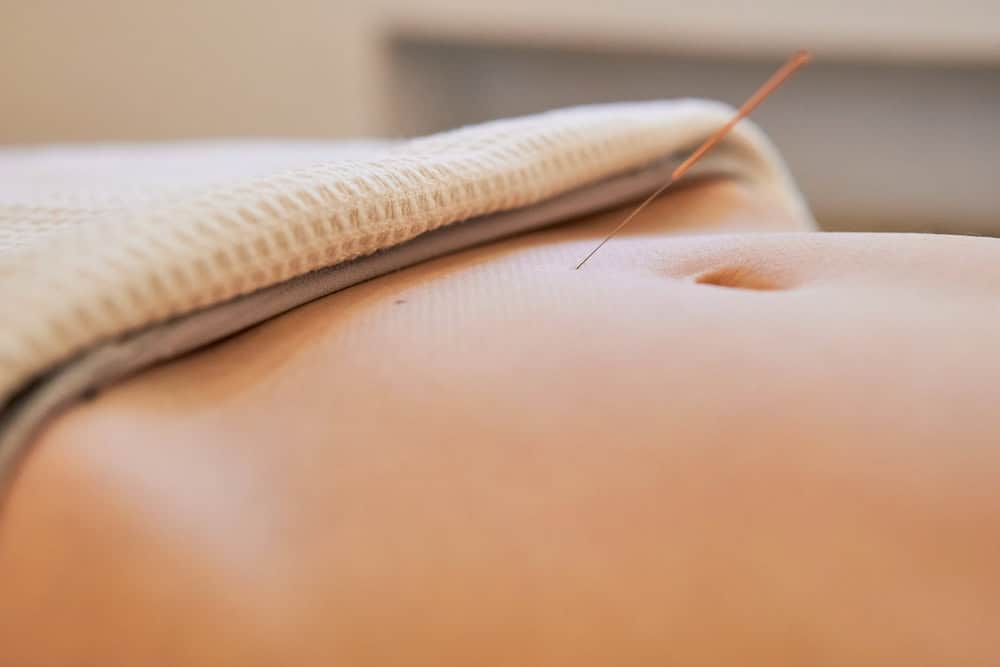
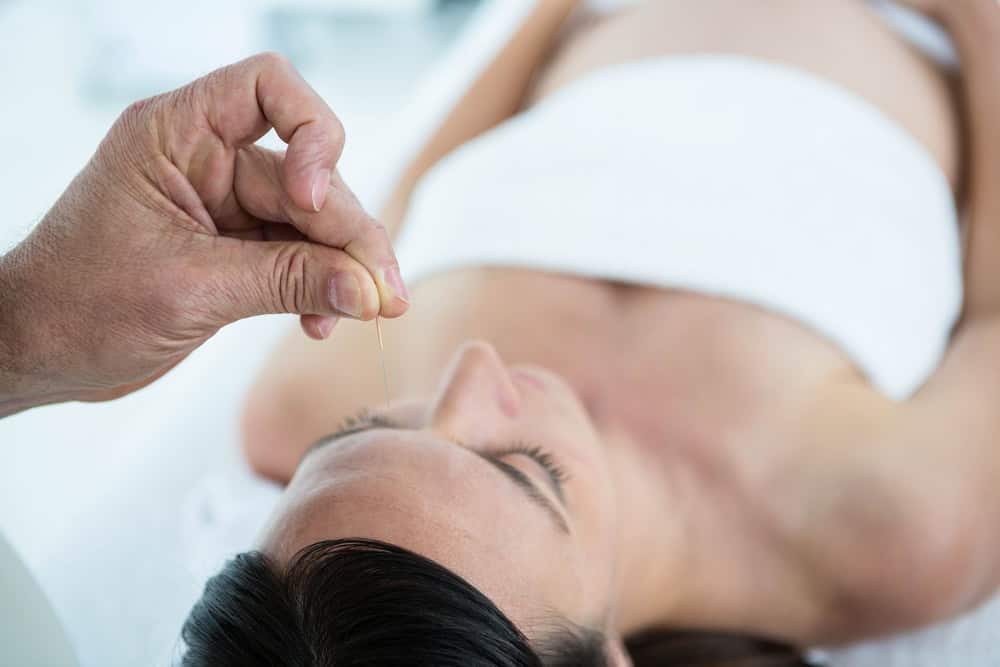
Acupuncture needles are nothing like the needles used for injections or blood draws. They’re hair-thin, solid, and flexible — far narrower than a hypodermic needle. A 2023 study published in the journal Children measured the pain experience of acupuncture and found an average rating of 1.3 out of 10, with approximately 58% of participants reporting no pain at all. Many patients fall asleep during sessions. The experience is genuinely different from what most people imagine.
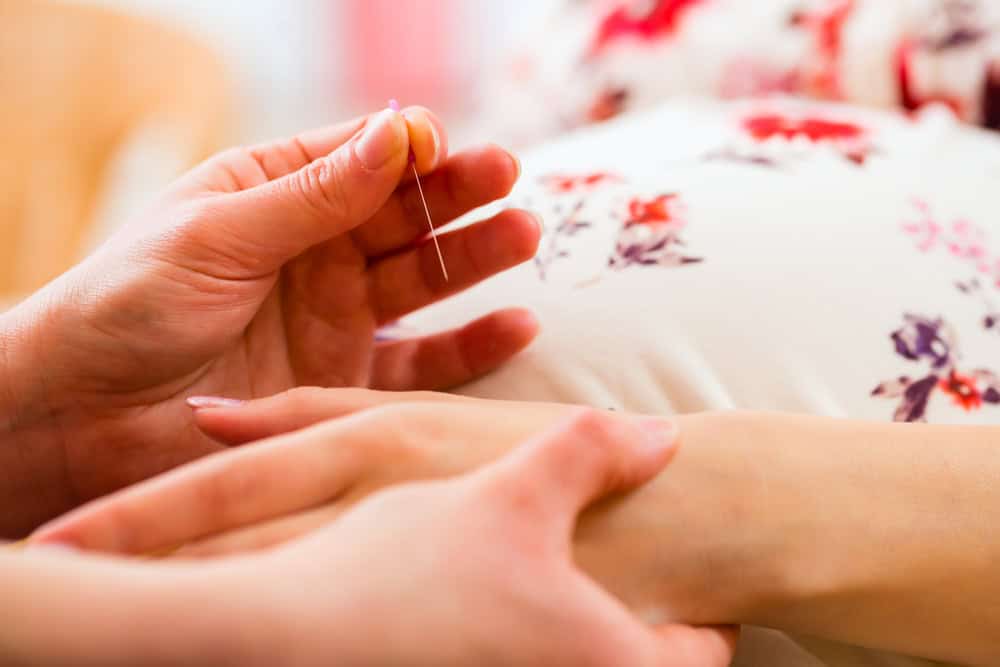
At your first appointment, we start with a thorough health history review. We don’t use a one-size-fits-all protocol — we assess your specific conditions, symptoms, and goals before placing a single needle. Treatment plans are individualized because two people with the same diagnosis often have different underlying patterns that require different approaches. A session typically involves needle retention of 20 to 30 minutes, with anywhere from 2 to 40 needles depending on what’s being treated.
For Nassau County, NY patients who are new to acupuncture, one of the most common things we hear afterward is surprise — surprise at how relaxed they felt, how little discomfort there was, and how much better they felt walking out than walking in. We hear it often enough that we’d say it’s more the rule than the exception.
One more practical note: we accept many insurance plans. If cost has been a reason you’ve put this off, it’s worth a quick call to check your coverage before you assume it’s out of reach. Insurance acceptance is something many acupuncture practices in this area don’t offer, and it makes a real difference in accessibility.
Finding Acupuncture Care That Fits Your Life in Nassau County, NY
The evidence for acupuncture is more substantial than most people realize going in. The WHO recognizes over 100 conditions. The science maps real neurophysiological mechanisms. And the experience itself is far less intimidating than the word “needles” suggests.
What makes a difference — beyond the research — is finding practitioners who take your specific situation seriously. Our team at Think Acupuncture holds New York State licensure and national board certification through the NCCAOM in both acupuncture and Chinese Herbology. We have practitioners with Western medical backgrounds who collaborate directly with your doctors and specialists. We’ve been serving Long Island for over 18 years.
If you’re in Nassau County, NY and you’re ready to have a real conversation about what acupuncture might do for your specific situation — whether that’s chronic pain, fertility support, stress, or something else entirely — reach out to Think Acupuncture. We’re here to help you figure out whether this is the right next step.