Summary:
September in Nassau County has a rhythm to it. School buses are back, the LIRR platforms are packed again, and within a few weeks, someone in your house has a scratchy throat. It happens every year — and most people deal with it reactively, reaching for cold medicine after the fact.
There’s a better approach. Traditional Chinese Medicine has spent centuries studying how the body responds to seasonal change, and fall is the season it takes most seriously. If you’ve been looking for natural immune boosters that actually address why you keep getting sick — not just what to do once you are — this is worth reading.
How to Boost Your Immune System Naturally Before Cold Season Hits
In Western medicine, the immune system is a network of cells, tissues, and organs working to identify and neutralize threats. In Traditional Chinese Medicine, the equivalent concept is called Wei Qi — your body’s defensive energy. It circulates at the surface of the body, acting as a first line of protection against external pathogens like wind, cold, and damp — the same environmental forces that intensify every fall in coastal Long Island.
When Wei Qi is strong, you shake off illness quickly or avoid it altogether. When it’s depleted — by stress, poor sleep, overwork, or seasonal transition — you become more vulnerable. The TCM approach to immune support isn’t about suppressing symptoms. It’s about identifying why your defenses are down and rebuilding them from the inside out.
Why Nassau County Residents Are Especially Vulnerable in Fall
The fall immune challenge in Nassau County isn’t just about weather. It’s a convergence of factors that hit all at once. Nearly 300,000 children under 18 live in Nassau County — and when they return to school in September, they become an incredibly efficient transmission network for respiratory viruses. Parents, grandparents, and caregivers absorb that exposure directly.
Layer on top of that the daily LIRR commute into New York City, where tens of thousands of Nassau residents travel through one of the world’s most densely used transit systems every weekday. Then add the shift to dry indoor heating, the rapid temperature swings that characterize Long Island’s fall, and the post-summer fatigue that sets in once the pace of life picks back up — and you have a recipe for immune depletion that’s entirely predictable.
TCM recognized this seasonal vulnerability long before germ theory existed. Fall corresponds to the Lung organ system in Chinese medicine, which governs the respiratory tract and is directly responsible for Wei Qi production. When the Lung system is under-supported, you’re more susceptible to exactly the kind of illness that circulates through Nassau County every fall. Acupuncture and herbal protocols designed for this season specifically target the Lung system — strengthening it before the exposure hits, not after.
This preventive orientation is one of the sharpest differences between TCM and conventional care. Most people don’t see a doctor until they’re already sick. TCM asks: what can we do in September so that November looks different? For Nassau County’s working parents, commuters, and older adults managing their health year-round, that question is worth taking seriously.
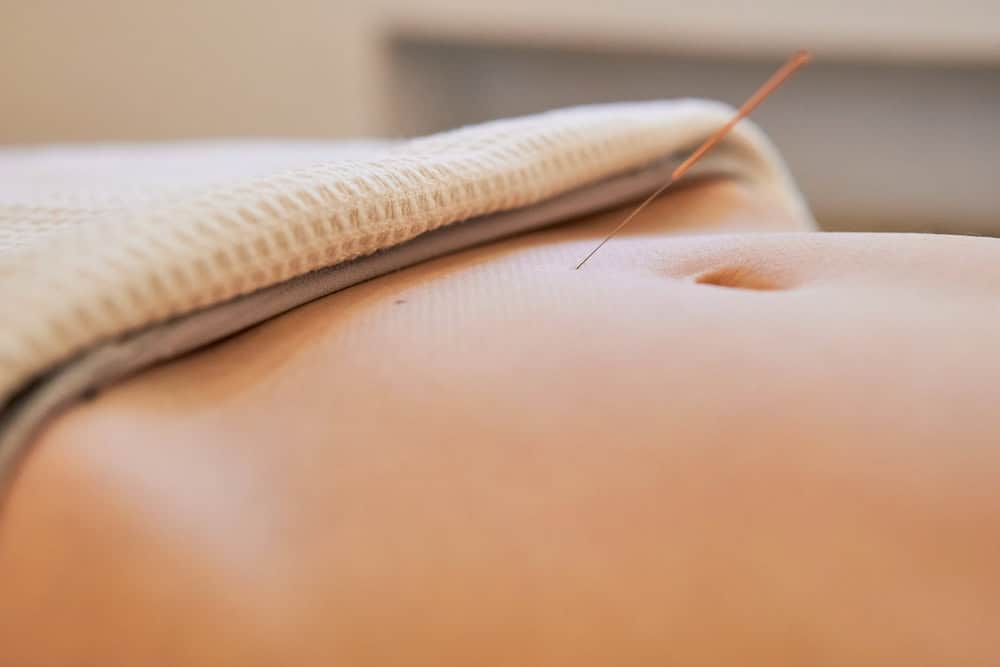
What Acupuncture Actually Does for Your Immune System
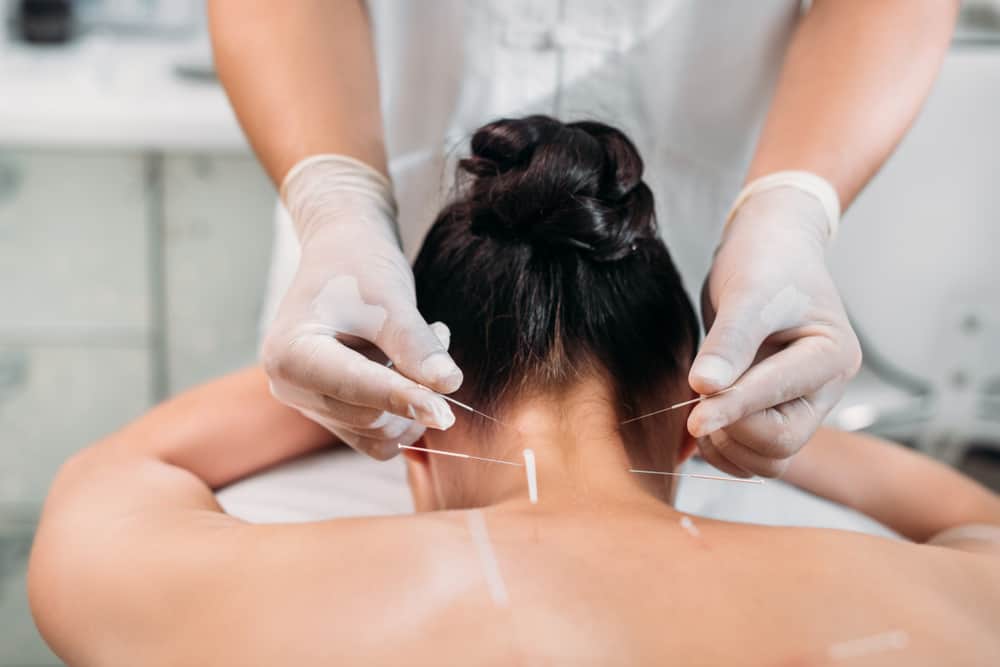
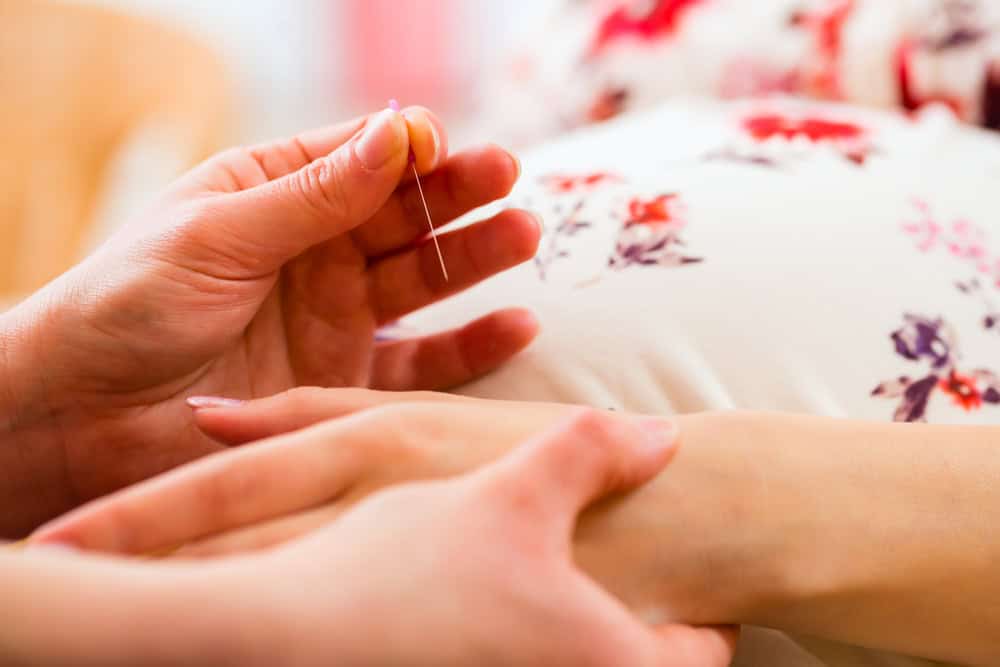
It’s a fair question — and a common one. Acupuncture has a strong reputation for pain relief, but its effects on immune function are less widely known, even though the research is substantial.
A 2025 meta-analysis published in Frontiers in Immunology reviewed 33 studies involving over 2,600 participants and found that acupuncture and moxibustion significantly raised levels of CD3+, CD4+, and natural killer (NK) cells — measurable markers of immune activity. Natural killer cells are specialized immune cells that identify and destroy virus-infected cells before an infection can take hold. Raising their activity level is a documented, physiological effect.
The mechanism behind it involves the autonomic nervous system and the hypothalamic-pituitary-adrenal (HPA) axis. Acupuncture stimulates specific points that activate the parasympathetic nervous system — the “rest and repair” state — while simultaneously signaling the HPA axis to regulate cortisol. This matters because chronic cortisol elevation, the kind that comes from sustained work stress and a packed Nassau County schedule, is one of the most consistent suppressors of immune function. Acupuncture addresses both problems at once.
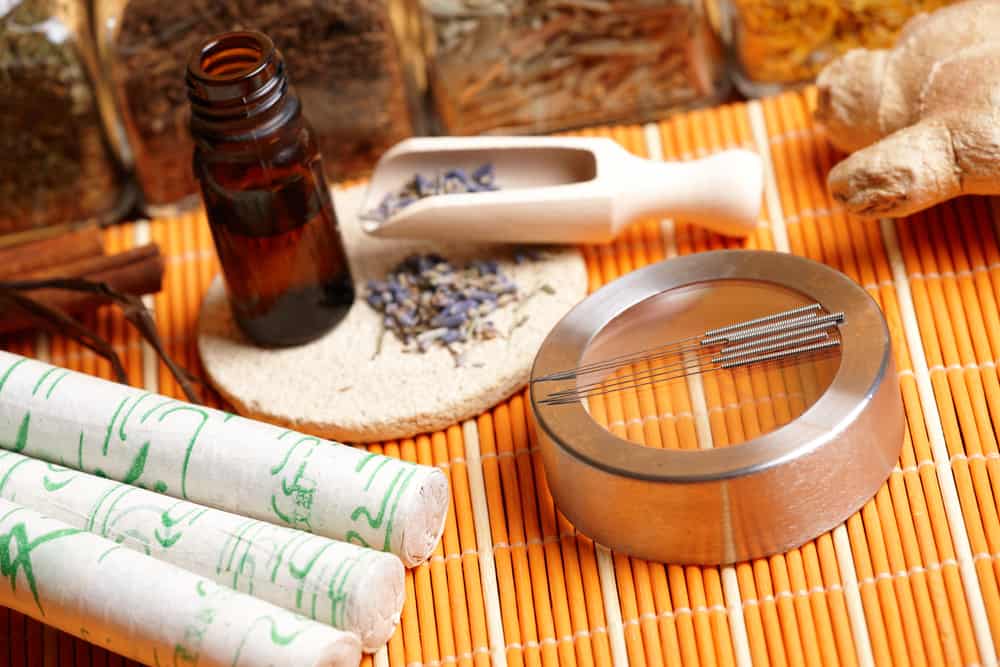
Moxibustion — a technique where dried herb is burned near specific acupuncture points to generate therapeutic heat — is often used alongside needling for immune support. It’s particularly effective for patients who present with cold, fatigue, or what TCM describes as Yang deficiency. In practice, it’s one of the more powerful tools in a TCM immune protocol.
The World Health Organization and National Institutes of Health both recognize acupuncture as an evidence-supported therapy. That institutional validation, combined with the published clinical data, is why we’re comfortable saying this isn’t alternative medicine in the fringe sense — it’s a well-documented system that happens to use different tools than a conventional clinic.
Chinese Herbs for Immunity: What's Actually in These Formulas
Herbal medicine is where TCM’s immune support gets genuinely specific. Unlike grabbing a bottle of Vitamin C off a shelf, Chinese herbal formulas are prescribed based on your individual pattern — your constitution, your specific vulnerabilities, your current health picture. Two people with frequent fall colds might get entirely different formulas because the underlying reason they keep getting sick is different.
Our practitioners hold national board certification in Chinese Herbology through NCCAOM — a separate and rigorous credential from the acupuncture license itself. That dual certification matters because prescribing herbal formulas well requires a different depth of training than needling alone.
The Herbs Most Commonly Used for Fall Immune Preparation
The most well-known formula in TCM for immune defense is Yu Ping Feng San — translated as Jade Windscreen. The name is intentional: it describes a protective barrier against the wind-borne pathogens that TCM associates with fall illness. The formula has been in continuous clinical use for centuries, and it’s not just historical tradition — Chinese health authorities deployed it during the 2004 SARS outbreak and again during the COVID-19 pandemic as a preventive measure.
The primary herb in Yu Ping Feng San is Astragalus, known in Chinese as Huang Qi. It’s one of the most studied herbs in the TCM pharmacopeia, with published research confirming it stimulates white blood cell production, tonifies Wei Qi, and strengthens lung function. It’s not a treatment for acute illness — it’s a tonic, meaning it works best when taken consistently over weeks as a preventive measure. Starting it in September, before the first cold circulates through your child’s school, is the right timing.
Ganoderma — commonly called Reishi mushroom — is another frequently used herb for immune resilience. It has documented adaptogenic properties, meaning it helps the body regulate its response to stress, which ties directly back to the cortisol-immunity connection. Cordyceps is used in formulas targeting energy and respiratory capacity, though it’s contraindicated for patients on immunosuppressant medications — one of many reasons that working with a qualified, licensed herbalist matters more than self-prescribing from a supplement website.
What makes these formulas different from a supplement is the combination. A skilled herbalist doesn’t prescribe Astragalus in isolation — they build a formula where each herb plays a specific role, and the combination produces effects that no single ingredient achieves alone. That’s the clinical depth that comes from 18+ years of practice and a genuine background in herbal medicine, not just acupuncture.
Fall Wellness Preparation: Diet, Lifestyle, and What TCM Recommends for Long Island Residents
Acupuncture and herbs are the core of a TCM immune protocol, but they work better alongside the right dietary and lifestyle adjustments. TCM food therapy isn’t about counting macros — it’s about understanding which foods support the Lung system and Wei Qi during the fall season, and which ones deplete it.
Warming, cooked foods take priority in fall. Raw salads and cold smoothies that work fine in July create what TCM calls “dampness” in the digestive system when consumed in October — a condition that weakens the immune response and creates the kind of phlegm and congestion that makes a minor cold drag on for two weeks. Ginger, garlic, shiitake mushrooms, bone broth, and cooked root vegetables are all foods TCM has used for centuries to support fall immune health, and modern nutritional research largely backs the mechanisms.
Sleep is the other non-negotiable. Immune function is heavily dependent on deep sleep — it’s when the body produces cytokines, proteins that coordinate the immune response. Nassau County’s working population tends to run on insufficient sleep, especially in the fall when schedules intensify. We address this directly: certain acupuncture protocols and herbal formulas are specifically designed to improve sleep quality, not just as a standalone benefit but as part of the immune picture.
Stress management is the third pillar. For Nassau County commuters dealing with LIRR delays, demanding work schedules, and the general pace of suburban family life, chronic low-grade stress is the norm. That sustained cortisol load is quietly undermining immune function every day. Acupuncture’s effect on the nervous system — the measurable shift into parasympathetic state during and after a session — is part of why patients often report feeling better overall, not just in the specific symptom they came in for. The immune benefit and the stress relief are connected.
We approach all of this as a complete picture. When you come in for a consultation, we’re not just looking at whether you’ve had three colds in the past year. We’re looking at your sleep, your stress load, your digestion, your energy patterns — because all of those feed into why your immune system is or isn’t holding up when fall arrives.
When Should Nassau County Residents Start Fall Immune Support?
The honest answer is: before you need it. The TCM model is built around prevention, and the ideal window for fall immune preparation is late August through September — before school is fully underway, before the first illness circulates, and while your body still has the reserves to respond to treatment quickly.
If you’ve already been sick a few times this season, that’s not a reason to wait. It’s a reason to understand what’s making you susceptible and address it now rather than repeat the same pattern next year.
We accept NYSHIP, United Healthcare, Aetna, and Empire BCBS, which covers a significant portion of Nassau County residents. Your fall immune prep may cost far less out of pocket than you’d expect — and we offer a free consultation to start, so you can ask questions and understand your options before committing to anything.
If you’re ready to stop bracing for cold and flu season and start preparing for it, we’re here to help. Reach us at 516-509-5444 to schedule your free consultation.