
Summary:
If you’ve ever dismissed ancient Chinese medicine as something your doctor would roll their eyes at, you’re not alone. A lot of people in Nassau County feel the same way — until they don’t. Until they’ve spent months managing a chronic condition that never fully resolves, or they’re three rounds into fertility treatment and looking for every evidence-based option available, or the stress of a 90-minute LIRR commute has finally caught up with their body in ways no prescription seems to fix. That’s usually when the question shifts from “does this actually work?” to “why hasn’t anyone explained it to me properly?” This is that explanation.
Benefits of Chinese Medicine That Go Beyond Symptom Relief
Most medical care in the U.S. is built around a simple model: you have a symptom, you treat the symptom. That works well for a lot of things. But it leaves a gap for the patient whose back pain keeps coming back, whose anxiety is managed but never resolved, or whose body isn’t responding to treatment the way the textbook says it should.
The core benefit of Chinese medicine is that it’s designed to work differently. Rather than targeting a single symptom, it looks at the whole picture — your sleep, your digestion, your stress levels, your energy patterns — and tries to identify what’s actually driving the problem. That’s not a philosophical preference. It’s a clinical approach that produces different outcomes, especially for chronic and complex conditions.
Advantages of Traditional Chinese Medicine Over Symptom-Only Treatment
Here’s a useful way to think about it. Two people can walk into a clinic with identical back pain and need completely different treatment plans based on their constitution, history, and what’s actually causing the pain. A practitioner trained in traditional Chinese medicine will pick up on those differences through a comprehensive intake — pulse diagnosis, tongue assessment, a detailed health history — and build a plan accordingly. A practitioner focused only on the site of pain may not.
This is one of the clearest advantages of traditional Chinese medicine: the individualization is built into the method, not bolted on as a marketing claim. It’s not that Western medicine ignores context — good physicians absolutely consider the whole patient. It’s that TCM’s diagnostic framework is specifically designed to surface the kind of systemic patterns that show up before, between, and underneath the presenting complaint.
The other significant advantage is the toolkit. Traditional Chinese medicine isn’t just acupuncture. A complete TCM treatment plan can include acupuncture, Chinese herbal formulas, dietary guidance, lifestyle counseling, cupping therapy, and traditional Chinese massage — all working together as a system. Each modality addresses a different layer of the same underlying imbalance. That’s a fundamentally different model than treating each symptom with a separate specialist.
For Nassau County residents who are already navigating a complex healthcare landscape — juggling specialists, managing prescriptions, trying to coordinate care across providers — this integrated approach often fills in gaps that the conventional system leaves open. It’s not about choosing between Eastern and Western medicine. The most effective outcomes usually come from using both, with each doing what it does best.
The traditional Chinese medicine benefits that patients notice most often aren’t dramatic or immediate. They’re cumulative: better sleep, less pain, more stable energy, a nervous system that isn’t running hot all the time. Those changes are quieter than a painkiller but they tend to last.
What Does the Science Actually Say About Ancient Chinese Medicine?
This is the question that matters most to the skeptic — and it deserves a straight answer.
The World Health Organization and the National Institutes of Health both formally recognize acupuncture as an effective treatment for a range of conditions. That’s not a fringe endorsement. Those are the same institutions that set the standards for evidence-based medicine globally. Their recognition doesn’t mean acupuncture works for everything, but it does mean the evidence base is substantial enough that the world’s leading health authorities have put their names behind it.
Pain management is where the evidence is strongest. It accounts for 38.5% of global TCM application demand — the largest single category — and for good reason. Clinical research, including an Australian trial that found acupuncture as effective as pharmaceutical pain relief, has given the medical community real data to work with. Chronic back pain, sciatica, headaches, neck pain, arthritis — these are conditions where acupuncture has a documented track record.
The philosophical framework of TCM — qi, meridians, yin and yang — is where a lot of skeptics get stuck. And that’s fair. These concepts were developed before microscopes existed, and they don’t map neatly onto biomedical anatomy. But here’s the thing: modern research has identified plausible physiological mechanisms for acupuncture’s effects, including endorphin release, nervous system modulation, and anti-inflammatory responses. You don’t have to accept the metaphysical framework to benefit from the clinical outcomes. The debate about mechanism doesn’t change what happens in the treatment room.
Ancient Chinese medicine has also demonstrated staying power that no trend can explain. The Huang-Di Nei-Jing — the foundational text of TCM — originated somewhere between 800 and 200 BCE, making it the oldest medical textbook in the world. This system has been practiced continuously for over 23 centuries, refined through clinical observation across generations of practitioners. That’s not anecdote. That’s an unmatched clinical track record. And today, the global TCM market is on track to reach nearly $48 billion by 2034, with North America accounting for nearly 40% of that demand. The growth is driven by patients who tried it, saw results, and kept coming back.
Traditional Chinese Medicine Benefits for Nassau County, NY Residents
Nassau County’s health profile is a near-perfect match for what traditional Chinese medicine does well. The county has over 1.3 million residents, one of the highest insurance coverage rates in the country — over 97% of adults are insured — and a commuter-heavy workforce that spends significant time on the LIRR and the Long Island Expressway. Long days, desk-bound work, and the chronic low-grade stress of that lifestyle add up in ways that don’t always show up on a lab panel but absolutely show up in your body.
Chronic pain, persistent anxiety, sleep disruption, hormonal imbalances, and fertility challenges are among the most common reasons Nassau County residents seek out TCM. These are conditions where conventional medicine often reaches a ceiling — not because the care is poor, but because the model wasn’t built to address systemic, whole-body patterns over time.
Does Insurance Cover Traditional Chinese Medicine in Nassau County, NY?
This is one of the first questions people ask, and the uncertainty around it stops a lot of interested patients from ever making the call. The short answer is: it depends on your plan, but there’s a good chance it’s covered — and it’s worth finding out before you assume it isn’t.
We accept NYSHIP, United Healthcare, Aetna, Empire BCBS, No-Fault, and Workers’ Compensation. For Nassau County residents, that coverage list is particularly relevant. NYSHIP covers a large portion of the county’s public-sector workforce — county employees, school district staff, state agency workers, LIRR employees. If you work in the public sector or for a major employer in Nassau County, there’s a reasonable chance your plan is already on that list.
Insurance acceptance also signals something beyond the practical. Insurers conduct their own credentialing reviews before agreeing to cover a provider. The fact that major carriers cover acupuncture at all reflects how far the evidence base has come. It’s no longer categorized alongside unproven therapies — it’s a recognized, reimbursable medical service.
If you’re not sure whether your plan covers TCM, the easiest step is to call and ask. Our team can help you figure out what your benefits look like before your first visit, so there are no surprises. We also offer a free consultation, which removes the financial uncertainty from the initial decision entirely. You can come in, talk through your situation, and get an honest assessment of whether this approach makes sense for you — before you commit to anything.
For patients in Nassau County who have been curious about TCM but kept putting it off because of cost concerns, this is usually the conversation that changes things. The financial barrier is often lower than people expect.
How to Find a Qualified Ancient Chinese Medicine Practitioner on Long Island
Not all acupuncture providers are the same, and the differences matter more than most people realize.
In New York State, a licensed acupuncturist (L.Ac.) must complete a three-year postgraduate training program after at least two years of college education, then pass two national board exams administered by the NCCAOM — the National Certification Commission for Acupuncture and Oriental Medicine. That’s a rigorous training requirement. By comparison, a medical doctor in New York can legally practice acupuncture with as few as 300 hours of training. The credential gap is significant, and it’s worth knowing when you’re choosing a provider.
Beyond state licensure, NCCAOM national board certification is the next marker of quality to look for — especially certification in Chinese herbology, which is a separate examination module that a minority of practitioners hold. Herbal medicine is a core component of traditional Chinese medicine, and a practitioner certified in both acupuncture and herbology can offer a more complete treatment plan than one who handles needles only.
Our practitioners hold New York State L.Ac. licensure and NCCAOM national board certification in both acupuncture and Chinese herbology. Some of our practitioners also have backgrounds in Western medicine, which means we can collaborate directly with your existing doctors and specialists — not just refer you out, but actually communicate about your care and integrate both approaches in a way that serves you. We’ve been serving Nassau County and Long Island for over 18 years, with locations in Ronkonkoma (631-981-7422) and Huntington Station on Jericho Turnpike (516-509-5444), both easily accessible from across Nassau County.
What you should expect from a first visit with any qualified TCM practitioner is a thorough intake — a real conversation about your health history, your current symptoms, your lifestyle, and your goals. Pulse and tongue diagnosis are part of the assessment. A personalized treatment plan should follow, with a realistic explanation of what to expect and how many sessions may be needed. If a practitioner skips the intake and goes straight to needles, that’s a red flag. The individualization isn’t optional — it’s the whole point.
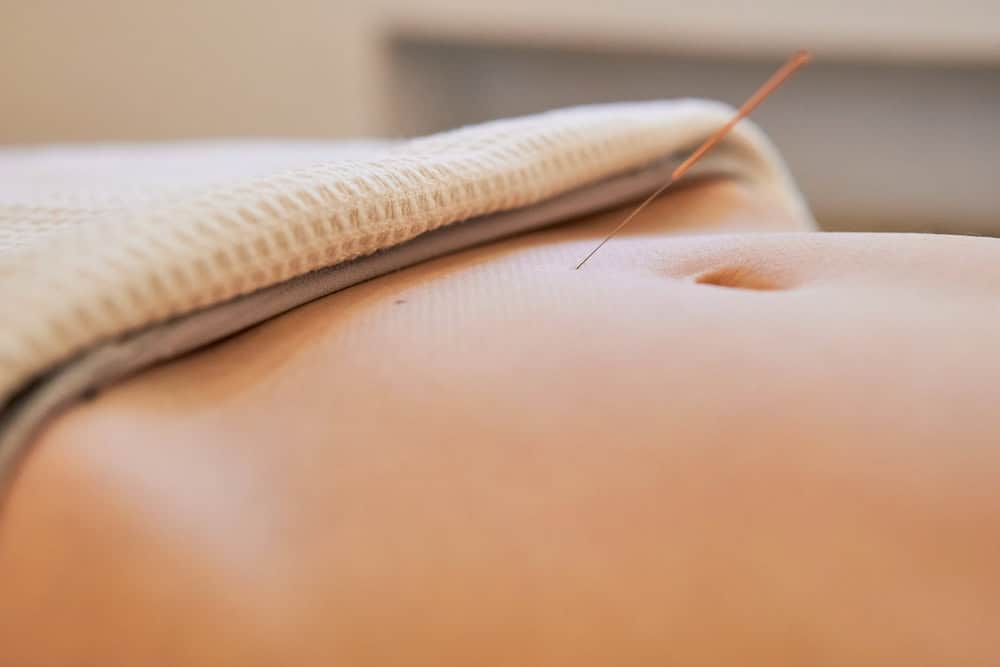
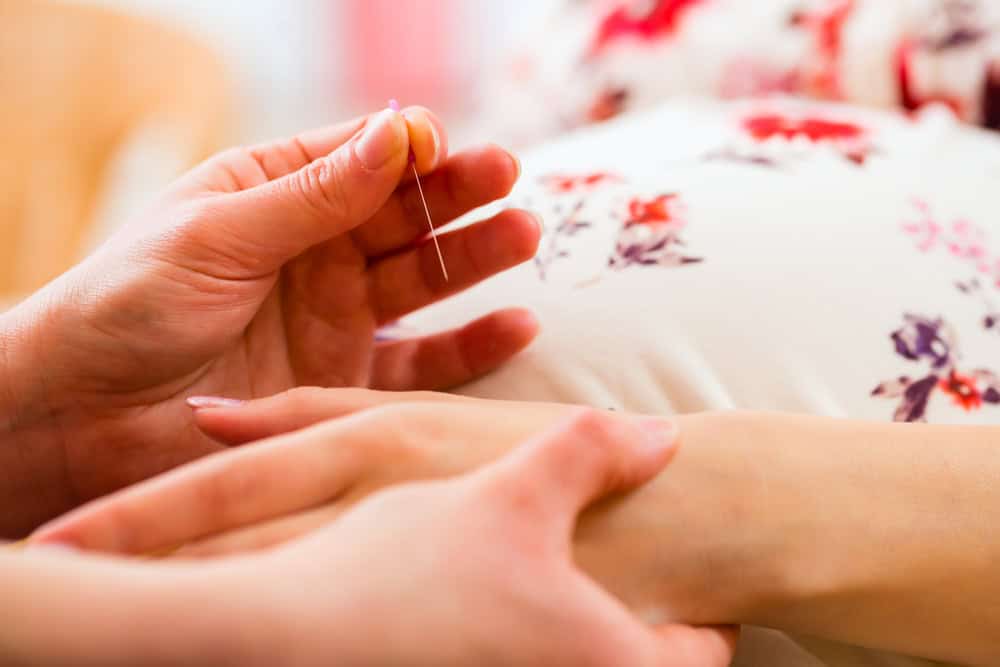
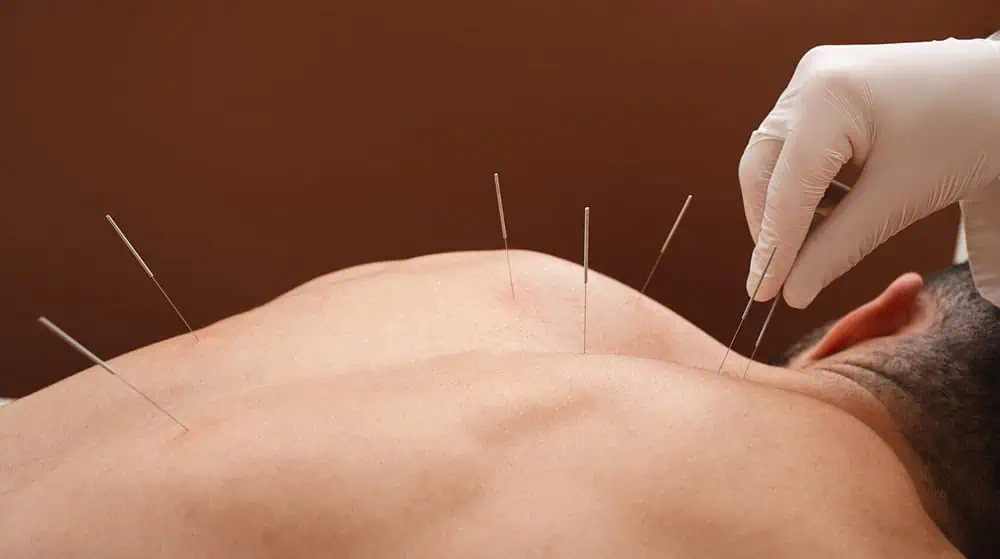
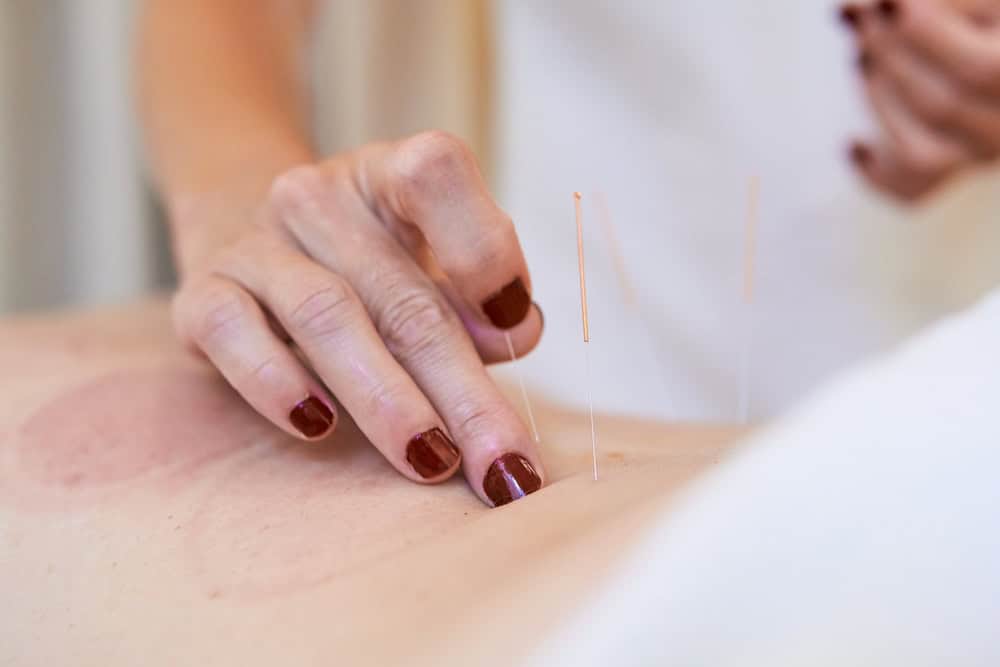
One more thing worth knowing about the needles themselves: acupuncture needles are hair-thin, a fraction of the gauge of a blood draw needle. Most patients feel little to nothing during insertion, and many fall asleep during treatment. First-time patients who come in nervous almost always leave surprised. That reaction is common, not exceptional.
Is Ancient Chinese Medicine Right for You? Here's How to Know
If you’ve been managing a chronic condition that hasn’t fully resolved, looking for a complement to your current care, or simply curious whether a 3,000-year-old medical system holds up to modern scrutiny — the answer is worth finding out properly, not through a Google rabbit hole, but through an actual conversation with someone who can look at your specific situation.
Ancient Chinese medicine works best when it’s applied by a qualified practitioner to a real, individual patient — not as a generic protocol, but as a personalized plan built around what’s actually driving your symptoms. That’s what we do at Think Acupuncture, and it’s what we’ve been doing for Nassau County and Long Island patients for over 18 years.
If you’re ready to have that conversation, we’re here for it.