Summary:
How Acupuncture Affects Fertility in Both Men and Women
Acupuncture isn’t magic, but it does influence your body in measurable ways. Thin needles inserted at specific points stimulate nerves, trigger the release of natural chemicals, and affect blood flow to targeted areas—including your reproductive organs.
For women, this can mean better circulation to the uterus and ovaries, which supports egg quality and creates a more receptive environment for implantation. For men, it can improve sperm parameters that directly impact your ability to conceive. The treatment also helps regulate the hormones that drive fertility in both partners, addressing imbalances that might be standing in your way.
What matters most is that acupuncture works on multiple levels at once. It’s not just about relaxation, though stress relief is a real benefit. It’s about addressing underlying factors—inflammation, poor circulation, hormonal disruption—that conventional treatments sometimes miss.
Acupuncture for Male Fertility and Sperm Quality
Here’s something most couples don’t realize until they’re deep into fertility testing: male factor infertility accounts for about half of all cases. That means if you’re struggling to conceive, there’s a strong chance sperm quality is part of the equation.
Sperm health isn’t just about count. Motility—how well sperm swim—and morphology—their shape and structure—both matter significantly. Poor motility means sperm can’t reach the egg. Abnormal morphology means they can’t fertilize it properly. Inflammation and oxidative stress damage sperm at the cellular level, reducing your chances even when counts look normal on paper.
Acupuncture addresses these issues directly. Research shows it can improve sperm motility, increase sperm concentration, and enhance morphology. One study found that men receiving acupuncture saw their fertilization rates jump from 40% to over 66%. That’s not a small difference when you’re investing time, money, and emotional energy into fertility treatment.
The mechanism matters here. Acupuncture appears to reduce oxidative stress and inflammation in the reproductive tract, protect sperm DNA from damage, and regulate the hormones that control sperm production. Testosterone, FSH, and LH all play critical roles, and when they’re out of balance, sperm quality suffers.
There’s also a timing factor you should know about. Sperm take roughly 75 to 90 days to fully develop. That means if you start acupuncture today, you’re treating the sperm that will be ready in three months. Consistency matters. A few sessions won’t cut it. You need regular treatment throughout that full development cycle to see real improvements in your semen analysis.
If you’re in Ronkonkoma and dealing with low motility, poor morphology, or just suboptimal numbers, acupuncture offers a non-invasive way to address the root causes—not just the symptoms.
How Acupuncture Supports Female Fertility and Reproductive Health

Female fertility is complex. Hormone balance, egg quality, uterine lining thickness, ovulation regularity, and even stress levels all factor into whether conception happens. When any of these pieces are off, getting pregnant becomes harder—or impossible.
Acupuncture works by improving blood flow to your reproductive organs. Better circulation means more nutrients and oxygen reach your ovaries and uterus, which supports healthier egg development and creates a more receptive environment for an embryo to implant. Some research suggests this increased blood flow right before egg retrieval is associated with better IVF outcomes.
Hormones are another major piece. Your menstrual cycle depends on a precise dance of estrogen, progesterone, FSH, and LH. When these hormones are imbalanced—whether from PCOS, stress, age, or other factors—ovulation becomes irregular or stops altogether. Acupuncture helps regulate the endocrine system, encouraging more consistent cycles and improving ovulation timing.
Then there’s inflammation. Conditions like endometriosis and PCOS involve chronic inflammation that directly interferes with fertility. Acupuncture has been shown to reduce inflammatory markers in the body, potentially easing symptoms and improving your chances of conception.
Stress is the piece nobody wants to talk about, but it’s real. The emotional weight of infertility is crushing. Studies show women dealing with infertility experience stress levels comparable to those with serious illnesses like cancer. That stress isn’t just in your head—it affects your hormones, disrupts your cycle, and can even interfere with implantation. Acupuncture provides significant stress relief, helping regulate your nervous system and giving your body a better shot at doing what it’s designed to do.
If you’re dealing with irregular periods, PCOS, unexplained infertility, or you’ve had failed IVF cycles, acupuncture addresses multiple factors at once. It’s not a replacement for medical treatment, but it can be a powerful complement—especially when you’re in Ronkonkoma and looking for local support that understands the full picture.
Acupuncture and IVF: Does It Actually Improve Success Rates?
If you’re going through IVF, you’re already investing heavily—financially, physically, and emotionally. So the question of whether acupuncture can improve your odds matters.
The research here is mixed, but there are some compelling findings. Studies show that women who receive acupuncture throughout their IVF cycle—not just on transfer day—have better outcomes. One study found that women who had 13 to 15 acupuncture sessions during their cycle were twice as likely to have a baby compared to those who did IVF alone.
Timing and dosage matter. A single session before and after embryo transfer might help with relaxation, but it’s not enough to significantly move the needle on success rates. The benefits are cumulative. Starting treatment two to three months before your IVF cycle gives acupuncture time to improve egg quality, regulate hormones, and optimize uterine blood flow.
Acupuncture also reduces anxiety around embryo transfer, which is significant. High stress levels can cause uterine contractions and potentially interfere with implantation. Feeling calmer and more in control during this critical window might make a real difference.
What Happens During Fertility Acupuncture Treatment
If you’ve never tried acupuncture, the idea of needles might make you hesitant. That’s normal. But here’s what actually happens.
Your first visit involves a thorough consultation. We’ll ask about your medical history, fertility testing results, menstrual cycles, stress levels, diet, sleep, and overall health. If you’re working with a fertility doctor, we want to know what treatments you’re undergoing so we can coordinate care accordingly. At Think Acupuncture in Ronkonkoma, we collaborate directly with your other healthcare providers to ensure everything works together.
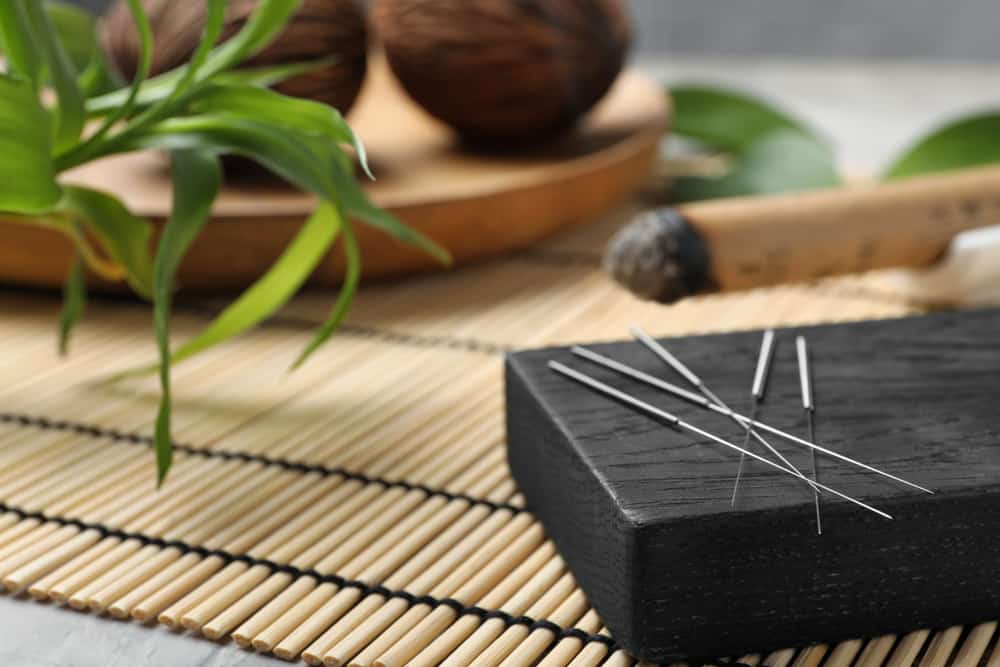
The treatment itself is surprisingly relaxing. You’ll lie down in a private, calm room. We insert hair-thin needles into specific points on your body—typically your lower abdomen, lower back, legs, and arms. These aren’t the needles you’re used to from blood draws. They’re much thinner, and most people barely feel them go in.
Once the needles are placed, you rest for 20 to 30 minutes. Many people describe feeling deeply relaxed, almost like they’re floating. That’s your nervous system shifting out of stress mode and into a healing state. Some call it being “acu-stoned”—a natural high that comes from your body releasing endorphins and other neurochemicals.
Frequency matters for fertility. You’ll typically need weekly sessions for at least two to three months to see results. That timeline aligns with sperm development cycles and egg maturation. For women undergoing IVF, treatment often intensifies around key points in your cycle—during stimulation, before egg retrieval, and around embryo transfer.
The goal isn’t just to get you pregnant. It’s to address the underlying imbalances that are making conception difficult. That takes time, consistency, and practitioners who understand fertility from both an Eastern and Western medicine perspective.

Addressing Inflammation, Motility, and Morphology with Acupuncture
Let’s get specific about what acupuncture does at a physiological level, because understanding the “how” helps you make informed decisions.
Inflammation is a major fertility disruptor. For men, chronic inflammation in the reproductive tract damages sperm DNA and reduces motility. For women, inflammatory conditions like endometriosis create an environment that’s hostile to conception and implantation. Acupuncture has been shown to reduce inflammatory markers throughout the body, including in reproductive tissues. This isn’t just theoretical—it shows up in lab work and clinical outcomes.
Motility is about how sperm move. Even if you have a normal sperm count, poor motility means those sperm aren’t reaching the egg. Studies have found that acupuncture significantly improves the percentage of sperm with strong, progressive movement. The mechanism likely involves better blood flow to the testes, reduced oxidative stress, and hormonal regulation that supports healthier sperm production.
Morphology—sperm shape—is harder to improve with any treatment, but acupuncture shows promise here too. Abnormal morphology often results from DNA damage or developmental issues during spermatogenesis. By reducing inflammation and oxidative stress during that 75 to 90-day development window, acupuncture helps more sperm develop normally.
For couples in Ronkonkoma dealing with male factor infertility, this is critical information. Your semen analysis might show issues with motility or morphology that are limiting your options. Before jumping to more invasive procedures, acupuncture offers a way to potentially improve those parameters naturally.
The same principles apply to female fertility. Better blood flow means healthier eggs. Reduced inflammation means a more receptive uterine environment. Balanced hormones mean more regular ovulation and better cycle quality. These aren’t separate issues—they’re all connected, and acupuncture addresses them as a system rather than isolated problems.
If you’ve been told your only option is IVF or ICSI because of sperm issues or egg quality concerns, it’s worth exploring whether acupuncture could improve your baseline enough to try less invasive approaches first. Even if you do proceed with IVF, improving these factors beforehand increases your chances of success.
Finding Fertility Support in Ronkonkoma That Actually Understands Your Journey
Infertility is one of those experiences that nobody truly understands unless they’ve been through it. The monthly hope followed by disappointment. The invasive procedures. The financial stress. The isolation of watching everyone around you get pregnant while you’re stuck waiting.
Acupuncture isn’t going to solve everything. But it offers something valuable: a natural, evidence-based way to address real physiological factors that affect your ability to conceive. Better sperm quality. Improved hormone balance. Reduced inflammation. Lower stress. Better blood flow to your reproductive organs. These aren’t vague promises—they’re measurable changes that can improve your odds.
What matters is finding practitioners who specialize in fertility, understand both Eastern and Western approaches, and work collaboratively with your other healthcare providers. We offer that integrated approach at Think Acupuncture in Ronkonkoma, with experienced practitioners who’ve helped countless Long Island couples navigate this journey.
If you’re in Ronkonkoma and you’ve been trying everything to get pregnant, acupuncture might be the piece you’re missing. It won’t replace medical treatment, but it can make that treatment more effective while also giving you better tools to handle the stress along the way. Reach out to us at Think Acupuncture to learn more about how our fertility-focused treatments can support your specific situation.