Summary:
What Is PCOS and Why Does It Happen?
Polycystic ovary syndrome isn’t just about cysts on your ovaries. It’s a complex hormonal condition that affects how your body produces and responds to insulin, how your ovaries function, and how your hormones communicate with each other. The result? A cascade of symptoms that can feel impossible to manage.
Your ovaries are supposed to release an egg each month during ovulation. With PCOS, that process gets disrupted. Follicles develop but don’t mature properly, leading to irregular or absent periods. At the same time, your body may produce higher levels of androgens—male hormones that every woman has, but in smaller amounts. When those levels climb too high, you might notice acne, thinning hair on your head, or unwanted hair growth on your face and body.
Insulin resistance is often at the center of it all. When your cells don’t respond properly to insulin, your pancreas pumps out more to compensate. Those elevated insulin levels signal your ovaries to produce even more androgens, which further disrupts ovulation and hormone balance. It’s a frustrating cycle that affects not just your fertility, but your metabolism, your weight, and your long-term health.
How Insulin Resistance Drives PCOS Symptoms
Insulin resistance doesn’t just affect your blood sugar—it’s one of the primary drivers of PCOS symptoms. When your cells become resistant to insulin, your body has to work harder to move glucose out of your bloodstream and into your cells where it’s needed for energy. Your pancreas responds by producing more and more insulin, leading to chronically elevated levels.
Here’s where it gets tricky. High insulin levels don’t just affect your blood sugar. They also signal your ovaries to produce excess androgens like testosterone. These elevated male hormones interfere with normal follicle development in your ovaries, preventing eggs from maturing and being released. That’s why irregular cycles and difficulty conceiving are so common with PCOS.
The insulin-androgen connection also explains why many women with PCOS struggle with weight gain, particularly around the midsection. Excess insulin promotes fat storage and makes it harder to lose weight, even with diet and exercise. It’s not about willpower or effort—your hormones are working against you.
What makes this particularly frustrating is that it becomes a self-perpetuating cycle. Insulin resistance worsens PCOS symptoms, and PCOS symptoms make insulin resistance worse. Breaking that cycle requires addressing the underlying metabolic dysfunction, not just treating individual symptoms. That’s where acupuncture comes in. Research shows it can improve insulin sensitivity and help your cells respond more effectively to insulin, which can have a ripple effect on your entire hormonal system.
The connection between insulin and hormones also explains why conventional PCOS medications often focus on insulin management. Metformin, for example, is a diabetes drug commonly prescribed for PCOS because it helps lower insulin levels. While it can be effective for some women, it comes with side effects like digestive issues and doesn’t address the full picture of what’s happening in your body.
The Real Impact of Irregular Cycles and Hormone Imbalance
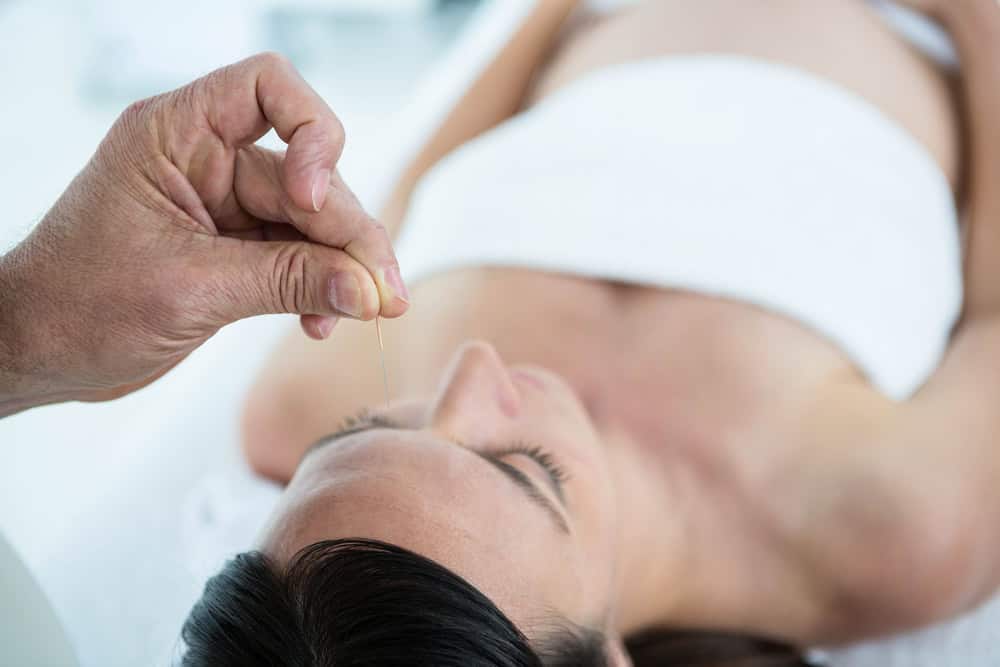
When your cycle disappears or becomes completely unpredictable, it affects more than just your calendar. Irregular periods are one of the most visible signs that something’s off with your hormones, but the impact goes much deeper than inconvenience.
For women trying to conceive, irregular cycles make it nearly impossible to predict ovulation. You might go months without a period, then have unpredictable bleeding that doesn’t follow any pattern. Some women with PCOS have cycles that stretch 40, 60, or even 90 days apart. Others experience heavy, prolonged bleeding that’s difficult to manage. Either way, it’s exhausting and emotionally draining.
But fertility isn’t the only concern. When you’re not ovulating regularly, your body isn’t producing adequate progesterone—the hormone that balances estrogen and supports the second half of your cycle. Without enough progesterone, estrogen can build up unchecked in your system. Over time, this estrogen dominance increases your risk for endometrial hyperplasia and even endometrial cancer. That’s why getting your cycles regulated isn’t just about fertility or convenience—it’s about protecting your long-term health.
The hormonal chaos of PCOS also affects your day-to-day life in ways that are harder to measure but just as real. Many women report mood swings, anxiety, and depression that seem to worsen around the time they should be getting their period—if it comes at all. Brain fog, fatigue, and difficulty concentrating are common complaints. You might feel like you’re constantly fighting against your own body.
Physical symptoms add another layer of frustration. Acne that won’t respond to typical treatments. Hair thinning on your scalp while unwanted hair appears on your chin, chest, or abdomen. Weight that accumulates around your midsection and refuses to budge no matter how “good” you are with diet and exercise. These aren’t cosmetic issues—they’re visible signs of the hormonal imbalance happening inside your body.
Here’s what often gets missed: PCOS isn’t just a reproductive issue. It’s a metabolic and endocrine disorder that affects your entire system. Women with PCOS have higher risks of developing type 2 diabetes, cardiovascular disease, and metabolic syndrome later in life. The irregular cycles you’re experiencing now are an early warning sign that your body needs support to get back into balance.
That’s why addressing the root cause matters so much. You need more than a band-aid solution that forces a bleed every month or temporarily suppresses symptoms. You need an approach that helps your body restore its natural communication pathways between your brain, your ovaries, and your endocrine system. Acupuncture works by supporting those pathways, helping your body remember how to regulate itself naturally.
How Acupuncture Helps Regulate Hormones and Insulin in PCOS
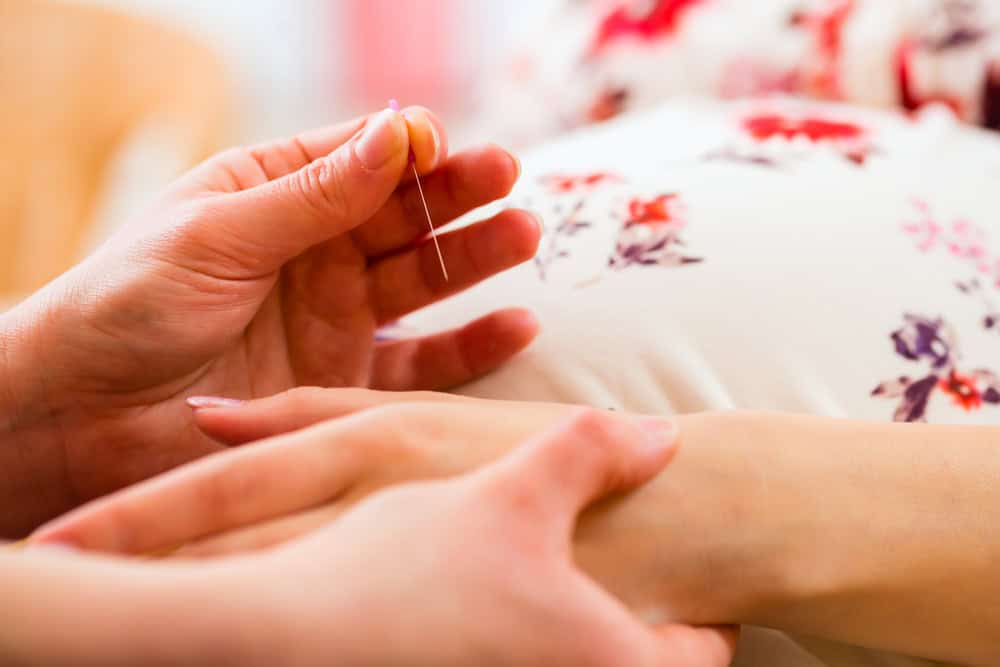
Acupuncture isn’t magic, but the way it works with your body can feel pretty close. At its core, acupuncture stimulates specific points on your body to influence your nervous system, blood flow, and hormone production. For PCOS, that means targeting the mechanisms that have gone off track—insulin sensitivity, ovarian function, and the communication between your brain and reproductive system.
Research shows that acupuncture can improve insulin sensitivity, which is huge for women with PCOS. When your cells respond better to insulin, you need less of it circulating in your bloodstream. Lower insulin levels mean your ovaries receive fewer signals to produce excess androgens. That cascade effect can lead to more regular ovulation, fewer PCOS symptoms, and better metabolic health overall.
Acupuncture also increases blood flow to your ovaries and uterus. Better circulation means better nutrient delivery and waste removal, creating a healthier environment for follicle development and hormone production. Some studies suggest this improved blood flow may help reduce the size and number of ovarian cysts over time.
Acupuncture for Cycle Regulation and Ovulation Support
One of the most common reasons women with PCOS seek out acupuncture is to get their cycles back on track. And it works—not by forcing your body into an artificial rhythm, but by helping it restore its own natural patterns.
Acupuncture influences the hypothalamic-pituitary-ovarian axis, which is the communication highway between your brain and your ovaries. When this axis is functioning properly, your brain sends the right signals at the right time to trigger follicle development, ovulation, and menstruation. With PCOS, those signals get scrambled. Acupuncture helps restore clearer communication along that pathway.
Studies have found that women with PCOS who receive regular acupuncture treatments often see improvements in menstrual frequency and regularity. Some research shows that acupuncture can increase ovulation rates and help restore more predictable cycles. The effects aren’t immediate—this is about retraining your body’s systems, which takes time—but many women notice changes within a few months of consistent treatment.
What makes acupuncture particularly valuable is that it addresses multiple factors simultaneously. While it’s working on insulin sensitivity and reducing inflammation, it’s also supporting ovarian function and helping balance the hormones that control your cycle. You’re not just treating one symptom—you’re addressing the underlying dysfunction that’s causing all of them.
For women trying to conceive, this matters enormously. Predictable ovulation is essential for timing intercourse or fertility treatments. But even if pregnancy isn’t your goal right now, regular cycles are a sign that your hormones are working the way they should. It means your body is producing adequate progesterone to balance estrogen. It means your ovaries are responding appropriately to signals from your brain. It means your metabolic health is improving.
Acupuncture also works well alongside other treatments. If you’re taking medications like letrozole or clomiphene for ovulation induction, acupuncture can support your body’s response to those drugs. If you’re doing IVF or IUI, acupuncture before and after procedures may improve outcomes. And if you’re trying to conceive naturally, acupuncture helps create the best possible internal environment for that to happen.
Reducing Inflammation and Supporting Weight Management with Acupuncture
Inflammation is a hidden player in PCOS that doesn’t get enough attention. Chronic low-grade inflammation interferes with insulin signaling, worsens hormone imbalances, and makes it harder for your body to regulate weight. It also contributes to some of the most frustrating symptoms—stubborn acne, joint pain, and that general feeling of being puffy and uncomfortable in your own skin.
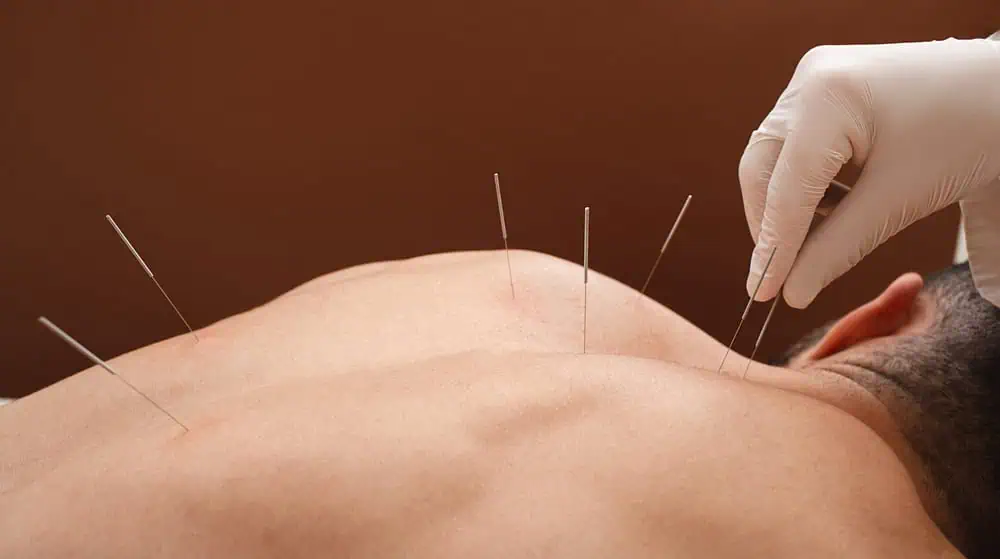
Acupuncture has well-documented anti-inflammatory effects. It activates your body’s parasympathetic nervous system—the “rest and digest” mode that counteracts stress and promotes healing. This shift helps reduce inflammatory markers throughout your body. When inflammation decreases, insulin sensitivity often improves, which creates a positive feedback loop for hormone balance.
Weight management with PCOS is complicated because it’s not just about calories in and calories out. Elevated insulin levels promote fat storage, particularly around your abdomen. Inflammation makes it harder to lose weight even when you’re doing everything “right.” Stress hormones like cortisol add another layer of difficulty. You’re fighting against your own biochemistry.
Acupuncture can’t replace a healthy diet and regular movement, but it can make those lifestyle changes more effective. By improving insulin sensitivity and reducing inflammation, acupuncture helps your body respond better to the healthy choices you’re making. Some research suggests it may also help regulate appetite hormones and reduce stress-related eating.
The stress reduction piece is particularly important. Living with PCOS is stressful—physically, emotionally, and mentally. Chronic stress elevates cortisol, which worsens insulin resistance and promotes abdominal fat storage. It also disrupts sleep, which further impacts hormone balance and metabolism. Acupuncture helps activate your relaxation response, lowering cortisol and giving your body a chance to recalibrate.
Many women report that acupuncture makes them feel more in tune with their bodies. You become more aware of what foods make you feel good, how your body responds to stress, and what your cycle is trying to tell you. That mind-body connection is valuable on its own, even beyond the physiological changes acupuncture creates.
Our approach at Think Acupuncture goes beyond just needles. We incorporate herbal medicine, nutritional guidance, and lifestyle recommendations tailored to your specific presentation of PCOS. Maybe you need more support for insulin resistance. Maybe inflammation is your primary issue. Maybe stress and anxiety are driving your symptoms. Your treatment plan reflects what your body needs most.
Finding Natural PCOS Support on Long Island
PCOS doesn’t have to control your life. Yes, it’s a chronic condition that requires ongoing management, but you have more options than you might realize. Acupuncture offers a way to address the root causes of your symptoms—insulin resistance, hormone imbalance, inflammation, and disrupted communication between your brain and ovaries—without the side effects that come with many conventional medications.
The research is clear: acupuncture can improve insulin sensitivity, support regular ovulation, reduce androgen levels, and help restore menstrual regularity. But beyond the studies and statistics, what matters most is how you feel in your own body. More energy. Clearer skin. Predictable cycles. The ability to plan your life without wondering when your period might show up or disappear for months at a time.
If you’re on Long Island and looking for a natural approach to PCOS that actually addresses what’s happening in your body, we specialize in exactly this kind of care. With convenient locations in Huntington and Ronkonkoma, we combine acupuncture with herbal medicine, nutrition guidance, and lifestyle support to create a comprehensive treatment plan tailored to you. Your PCOS doesn’t look exactly like anyone else’s, and your treatment shouldn’t either.