
Summary:
How Acupuncture Supports Fertility Treatments
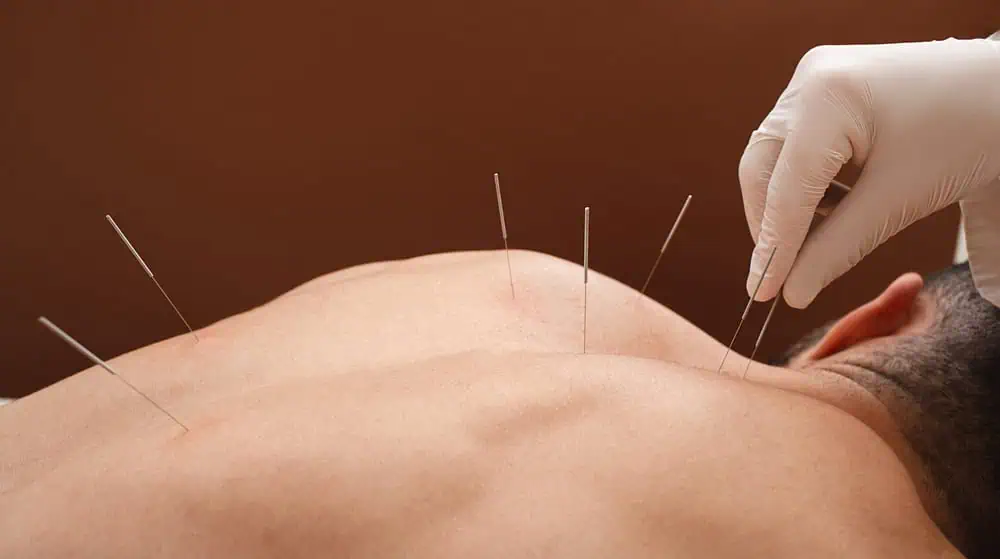
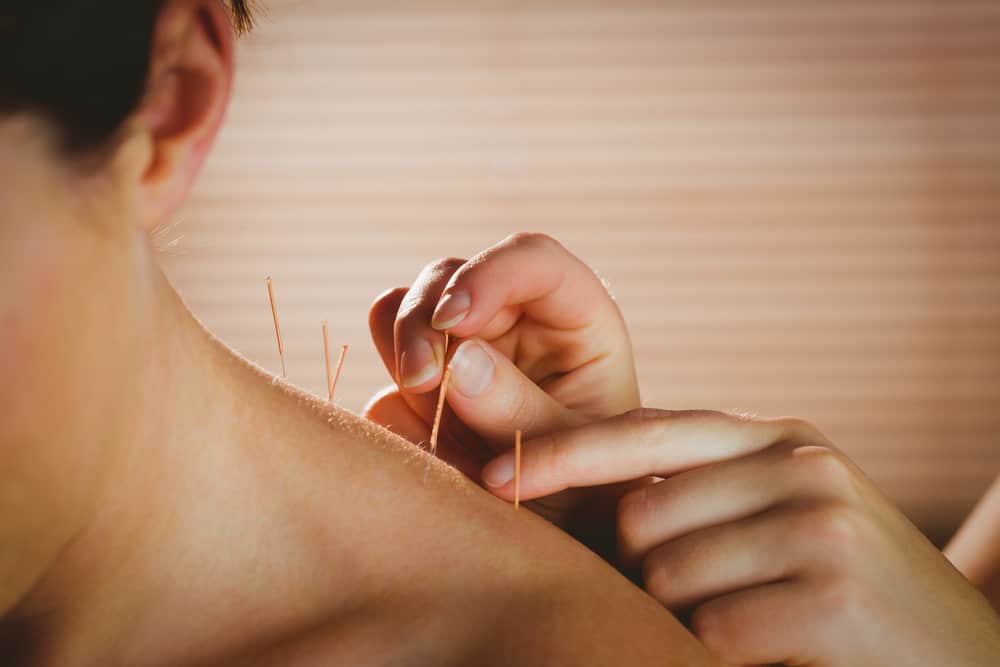
Acupuncture for fertility works by targeting specific points on your body that influence reproductive function. When thin needles are placed at these points, they stimulate nerve endings just beneath the skin that correspond to your ovaries, uterus, and the hormonal systems that regulate your cycle.
The mechanism isn’t mystical. Acupuncture increases blood flow to your reproductive organs. Better circulation means a thicker uterine lining and improved egg quality. It also helps regulate the hypothalamic-pituitary-ovarian axis, the hormonal feedback loop controlling ovulation and menstruation. When stress triggers your fight-or-flight response, blood vessels in your ovaries constrict. Acupuncture counteracts this by promoting relaxation and maintaining healthy blood flow even under pressure.
Research backs this up. A meta-analysis of studies involving over 4,000 women showed that acupuncture improved clinical pregnancy rates by 31% compared to no treatment. For women undergoing IVF, acupuncture performed before and after embryo transfer increased live birth rates by up to 33.8% in some studies. These aren’t small numbers when you’re investing thousands of dollars and months of your life into fertility treatment.
Acupuncture Protocols for IVF and IUI Support
Timing matters when you’re using acupuncture alongside IVF or IUI. The most effective protocols don’t just involve showing up for one session on transfer day. They start months before your cycle begins.
If you’re planning IVF or IUI in the next three to six months, starting acupuncture now gives your body time to respond. During this preparation phase, treatments focus on regulating your menstrual cycle, improving egg quality, and optimizing your hormonal balance. You’ll typically come in once or twice a week, depending on your specific situation and how your body responds.
As you move into your IVF cycle, the focus shifts. During ovarian stimulation, acupuncture helps your body handle the fertility medications while supporting follicle development. Right before embryo transfer, a session can help relax your uterus and prepare it to receive the embryo. Then immediately after transfer, another session helps maintain that relaxed state and supports implantation. We also recommend continuing treatment through the first trimester to reduce miscarriage risk.
For IUI, the approach is similar but less intensive. Sessions timed around ovulation can help regulate your cycle and improve the uterine environment. If you’ve had multiple failed IUI attempts, more frequent acupuncture fertility treatments in the months leading up to your next cycle may help address underlying issues that weren’t resolved with medication alone.
The key is consistency. Research shows that women who received 13 to 15 acupuncture sessions throughout their IVF cycle had better outcomes than those who only came in once or twice. This isn’t a quick fix. It’s a process that requires commitment, but the data suggests that commitment pays off in improved pregnancy rates. Many Long Island fertility clinics now recognize this and coordinate with acupuncturists to optimize patient outcomes.
What to Expect During Fertility Acupuncture Sessions

Your first appointment will look different from subsequent treatments. Expect to spend time talking through your complete medical history, including your menstrual cycle patterns, previous fertility treatments, any diagnoses you’ve received, and your overall health. We’ll also check your tongue and take your pulse at both wrists. These aren’t the same vital signs your doctor checks. In Traditional Chinese Medicine, tongue characteristics and pulse quality reveal information about your internal balance and which organ systems need support.
Based on this assessment, you’ll receive a TCM diagnosis code and a treatment plan tailored to your specific situation. Someone with PCOS will receive different point selections than someone dealing with endometriosis or elevated FSH. The needles used are incredibly thin, much finer than the needles used for blood draws. Most people describe the sensation as a slight tingling or dull ache rather than pain.
During treatment, you’ll rest quietly for 25 to 40 minutes while the needles do their work. Many patients find this time deeply relaxing, even falling asleep during sessions. That relaxation response is actually part of the treatment’s effectiveness. Your nervous system shifts from the stressed fight-or-flight state into the rest-and-digest mode that supports reproductive function.
After your session, you might feel calm and slightly tired, or energized and clear-headed. Responses vary. Some people notice changes in their cycle within the first month. Others need more time. If you’re working with a fertility specialist at one of Long Island’s IVF centers, we’ll communicate with them to coordinate care. This collaboration ensures that your treatments complement each other rather than working at cross purposes.
The goal isn’t just to get you pregnant. It’s to address the underlying imbalances that may be affecting your fertility, whether that’s poor circulation, hormonal dysregulation, chronic stress, or inflammation. When those root causes are addressed, your body functions better overall, and that includes your reproductive system.
Chinese Herbs Fertility and Supplement Support
Chinese herbal medicine operates on a different principle than Western supplements. Instead of taking isolated nutrients, you’re using combinations of herbs that work together to restore balance in your body. These formulas have been refined over thousands of years to address specific fertility patterns.
The research on Chinese herbs fertility is compelling. A meta-analysis of 40 randomized controlled trials involving more than 4,200 women found that Chinese herbal medicine improved pregnancy rates twofold within three to six months compared to Western fertility drugs alone. That’s significant, especially for women who haven’t responded well to conventional treatment.
These herbs work by regulating the hormones that control your reproductive cycle. Some formulas help regulate gonadotropin-releasing hormone to induce ovulation. Others improve blood flow to your uterus and help build a thick, receptive endometrial lining. Still others address specific conditions like PCOS, endometriosis, or elevated FSH. The key is that the formula must match your specific diagnosis and constitution. There’s no one-size-fits-all fertility herb.
How Chinese Herbs Work Alongside Acupuncture
When you combine acupuncture with Chinese herbal medicine, you’re addressing fertility from multiple angles simultaneously. Acupuncture works primarily through your nervous system and circulation, while herbs provide sustained biochemical support by influencing your hormones, reducing inflammation, and nourishing your reproductive organs.
Think of it this way: acupuncture creates the conditions for change by improving blood flow and reducing stress, while herbs provide the building blocks your body needs to make those changes stick. Together, they create a stronger effect than either approach alone. This integrated approach to acupuncture fertility treatments is what distinguishes specialized practices from general wellness clinics.
Your herbal formula will likely change as your cycle progresses and as your body responds to treatment. During the follicular phase, you might take herbs that support follicle development and estrogen production. After ovulation, the formula might shift to support progesterone and prepare your uterine lining for implantation. If you become pregnant, the formula changes again to prevent miscarriage and support early pregnancy.
Quality matters enormously with Chinese herbs fertility formulas. The FDA doesn’t regulate supplements the same way it regulates pharmaceuticals, which means contamination, mislabeling, and inconsistent potency are real concerns. Working with a licensed acupuncturist who specializes in fertility ensures you’re getting pharmaceutical-grade herbs that have been tested for purity and potency. Many of the best brands are only available through licensed practitioners, not over the counter.
Some fertility specialists prefer patients to stop taking herbs once they start fertility drugs, concerned about potential interactions. Others recognize the research showing that combining herbs with IVF medications can actually improve outcomes. This is why communication between your acupuncturist and your reproductive endocrinologist is essential. When both providers are working together, they can coordinate your care to maximize benefits while minimizing any risks.
The typical course of herbal treatment lasts at least three months. That’s roughly the time it takes for eggs to mature from primordial follicles to ovulation, and for sperm to complete their development cycle. Shorter treatment periods may provide some benefit, but the research suggests that longer courses produce better results, especially for women with complex fertility issues or multiple failed IVF cycles.

Fertility Supplements Long Island NY: What Actually Helps
Beyond Chinese herbs, certain nutritional supplements have solid research supporting their use for fertility. But you don’t need 27 different bottles cluttering your cabinet. Focus on the fertility supplements Long Island NY practitioners most commonly recommend based on testing and your specific needs.
CoQ10 is one of the most researched supplements for egg quality. As you age, your eggs accumulate oxidative damage that affects their ability to fertilize and develop properly. CoQ10 is a powerful antioxidant that helps protect eggs from this damage. Studies show it can improve both egg quality and IVF outcomes, particularly for women over 35. The typical dose ranges from 200 to 600 mg daily, and it takes at least three months to see effects because that’s how long it takes for eggs to mature.
For women with PCOS, inositol has strong evidence supporting its use. It helps improve insulin sensitivity, which in turn helps regulate ovulation and reduce testosterone levels. Many women with PCOS who take inositol see more regular cycles and improved response to fertility medications. Vitamin D is another one worth checking. Many people on Long Island are deficient, especially during winter months, and low vitamin D levels are associated with reduced fertility in both men and women.
For male fertility, antioxidants like vitamin C, vitamin E, and selenium can improve sperm quality by reducing oxidative stress. Zinc is also important for sperm production, though too much can actually harm sperm motility, which is why working with a practitioner who can recommend appropriate doses matters. L-carnitine and CoQ10 have also been shown to improve sperm parameters in men with fertility issues.
The challenge with supplements is knowing what you actually need. Random supplementation based on internet advice can be wasteful at best and potentially harmful at worst. Some herbs and supplements can interfere with fertility medications or contain natural hormones that throw off your carefully monitored IVF cycle. This is why integrated care that includes both your fertility specialist and your acupuncturist produces better results. We can coordinate your supplement regimen to ensure everything works together rather than against each other.
When you’re looking for fertility supplements Long Island NY, quality and purity should be your top priorities. Look for brands that use third-party testing to verify their products are free from contaminants and contain the amounts listed on the label. We can recommend specific brands and formulations that meet these standards. Professional-grade supplements cost more than drugstore versions, but the difference in quality and effectiveness justifies the investment when you’re trying to conceive.
Integrated Fertility Care on Long Island
Combining acupuncture with Chinese herbs and fertility supplements isn’t about choosing between Eastern and Western medicine. It’s about using both to give yourself the best possible chance of conceiving. The research shows that integrated approaches produce better outcomes than either conventional or alternative treatments alone.
What matters most is working with practitioners who specialize in fertility, who stay current with the research, and who communicate with your medical team. You need people who understand both the science of reproduction and the holistic factors that influence fertility, from stress and sleep to nutrition and hormonal balance.
If you’re on Long Island and you’re ready to explore how acupuncture fertility treatments and targeted supplements can support your journey, we offer the kind of integrated, personalized care that makes a difference. Our focus is on treating you as a whole person, not just addressing isolated symptoms, with protocols backed by both traditional wisdom and modern research.