
Summary:
Understanding TCM Practitioner Qualifications in New York
New York doesn’t mess around when it comes to acupuncture licensing. To practice legally on Long Island, an acupuncturist must complete over 4,050 hours of education from schools accredited by the Accreditation Commission for Acupuncture and Herbal Medicine. That’s not a weekend certification course—we’re talking about years of intensive study.
We also have to pass the National Certification Commission for Acupuncture and Oriental Medicine exams, including both the Acupuncture & Point Location test and the Foundations of Oriental Medicine exam. This isn’t just about knowing where to stick needles. These exams cover anatomy, physiology, Chinese medical theory, and how to safely integrate treatments with conventional medicine.
What this means for you is that any licensed acupuncturist in New York has gone through rigorous training. But there’s still a difference between meeting minimum requirements and having the depth of knowledge to handle complex conditions effectively.
What Sets Apart Advanced Practitioners from Basic Licensure
While all licensed acupuncturists meet the same basic requirements, the best practitioners go far beyond minimum standards. Look for someone who’s nationally board certified in both acupuncture and Chinese herbology—not just one or the other. This dual certification means we understand how to combine needle treatments with herbal medicine for more comprehensive results.
Experience matters enormously in this field. An acupuncturist who’s been practicing for 10+ years has seen patterns you can’t learn in school. We’ve worked with hundreds of patients dealing with conditions similar to yours, refined our techniques, and learned how different people respond to treatment.
Many top practitioners also have backgrounds in Western medicine or work closely with conventional healthcare providers. This integration is crucial if you’re dealing with complex conditions like infertility, where you might be working with reproductive endocrinologists, or chronic pain, where you need someone who understands how acupuncture fits with other treatments you’re receiving.
The best practitioners also continue their education aggressively. We attend seminars, study new techniques, and stay current with research. Chinese medicine is thousands of years old, but our understanding of how it works with modern healthcare is constantly evolving.
How to Evaluate Clinical Experience and Specialization
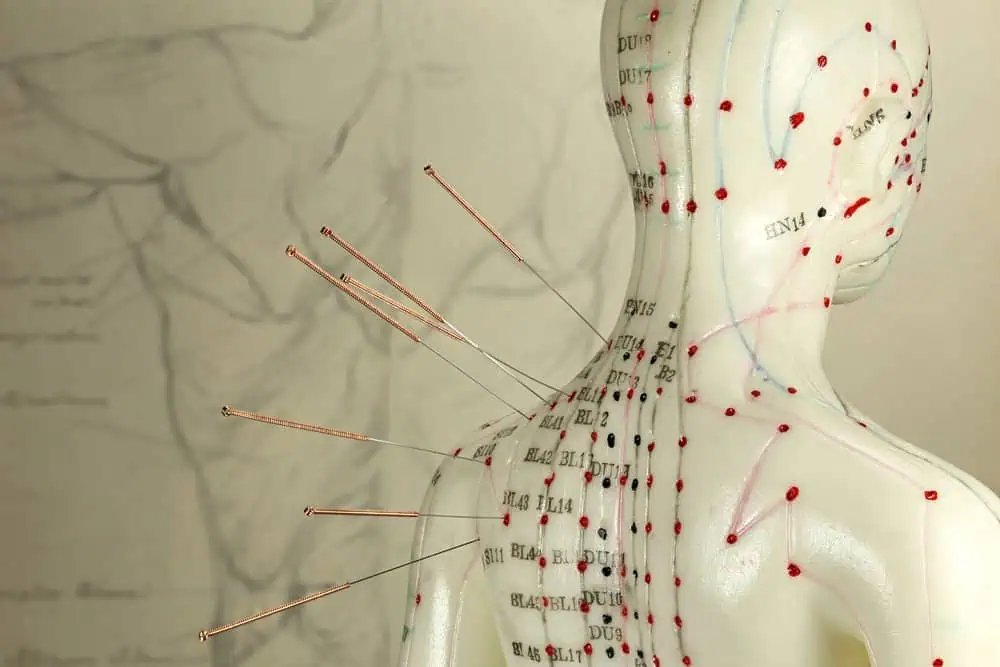
Not every acupuncturist is equally skilled at treating every condition. Just like you wouldn’t see a cardiologist for a broken bone, you want an acupuncturist who has deep experience with your specific health challenges.
If you’re dealing with fertility issues, look for someone who works regularly with reproductive endocrinologists and understands how acupuncture fits with IVF cycles, hormone treatments, and the emotional stress of trying to conceive. Recent research shows acupuncture can reduce anxiety by 2.2 points, stress by 2.1 points, and pain by 1.4 points on a 10-point scale in just one session—but only when administered by practitioners who understand the specific acupoints and timing involved.
For chronic pain, you want someone who understands both the physical and emotional components of persistent pain. The best practitioners know how to work with your other healthcare providers, not against them. We understand when acupuncture is appropriate as a standalone treatment and when it works best as part of a larger treatment plan.
Ask potential practitioners about their specific experience with your condition. How many patients like you have we treated? What kind of results do we typically see? How do we measure progress? A good practitioner should be able to give you specific, realistic expectations based on our clinical experience, not just general promises about what acupuncture can do.
The Consultation Process: What to Expect from Quality Care
A thorough initial consultation tells you everything you need to know about whether you’re dealing with a skilled practitioner. The best acupuncturists spend significant time understanding not just your symptoms, but your overall health picture, lifestyle, stress levels, and treatment goals.
This isn’t a 15-minute appointment where someone asks about your pain level and starts inserting needles. A comprehensive evaluation typically takes 60-90 minutes and includes detailed questions about your health history, current symptoms, sleep patterns, digestion, stress levels, and how your condition affects your daily life.
Quality practitioners also explain our treatment approach clearly. We should be able to tell you why we’re recommending specific acupoints, how many treatments you’ll likely need, what kind of progress to expect, and how we’ll measure improvement. If someone can’t explain their reasoning in terms you understand, that’s a red flag.
Red Flags vs Green Flags in Initial Consultations
Pay attention to how thoroughly your potential acupuncturist evaluates your condition. Red flags include practitioners who promise immediate results, guarantee specific outcomes, or seem rushed during your consultation. Anyone who tells you acupuncture will “definitely” cure your condition or that you’ll feel completely better after just a few treatments is either inexperienced or dishonest.
Green flags include practitioners who ask detailed questions about your health history, explain how acupuncture works for your specific condition, discuss realistic timelines for improvement, and want to coordinate with your other healthcare providers. The best practitioners are conservative in our promises and aggressive in our preparation.
Watch how we handle needles and maintain our clinic. Everything should be sterile, needles should come from sealed packages, and the treatment environment should be clean and professional. Any practitioner worth seeing follows strict safety protocols without exception.
A quality practitioner will also discuss costs upfront, explain what your insurance covers, and offer treatment packages that make sense financially. We should never pressure you into expensive packages or make you feel like you have to commit to months of treatment before you’ve seen any results.

Understanding Treatment Plans and Realistic Expectations
Experienced acupuncturists know that different conditions respond at different rates. For acute issues like recent injuries or stress, you might see improvement within a few sessions. Chronic conditions that have been developing for months or years typically require more time and patience.
A good practitioner will outline a treatment plan that includes initial intensive sessions (usually 1-2 times per week), followed by maintenance treatments as you improve. We should also explain what “improvement” means for your specific condition. For chronic pain, it might mean reduced intensity and frequency of flare-ups rather than complete elimination. For fertility support, it might mean better sleep, reduced anxiety, and improved overall wellness that supports conception.
The best practitioners also integrate lifestyle recommendations with needle treatments. We might suggest dietary changes, stress management techniques, or specific exercises that support your healing. This holistic approach is what separates traditional Chinese medicine from just sticking needles in people.
Be wary of anyone who wants you to commit to dozens of sessions upfront or who doesn’t adjust their approach based on your response to treatment. Good acupuncturists modify our treatment plans based on how you’re progressing, not on predetermined protocols.
Making Your Decision: Finding the Right Fit on Long Island
Choosing an acupuncturist is ultimately about finding someone with the right combination of credentials, experience, and approach for your specific needs. Look for practitioners who are licensed in New York, nationally board certified, and have significant experience treating your condition. Most importantly, find someone who takes time to understand your situation and explains our approach clearly.
The acupuncture market is growing rapidly—from $44.61 billion in 2024 to a projected $157.73 billion by 2032—because more people are discovering what happens when you find the right practitioner. Don’t settle for someone who treats you like just another appointment.
If you’re ready to explore what acupuncture can do for your health challenges, we at Think Acupuncture offer the kind of integrated, personalized care that makes the difference between trying acupuncture and actually getting results from it.