
Summary:
Understanding chinese medicine's approach to winter immunity
Traditional Chinese Medicine views winter illness differently than Western medicine. Instead of waiting for symptoms to appear, TCM focuses on strengthening what practitioners call “Wei Qi” – your body’s protective energy that acts as a first line of defense against external threats.
Think of Wei Qi like a shield surrounding your body. When this shield is strong, viruses and bacteria struggle to penetrate your defenses. When it’s weak, you become susceptible to every bug that comes your way. Chinese herbal formulas work by fortifying this protective barrier, making you naturally more resistant to seasonal illnesses.
This preventative approach has guided Chinese medicine for over 3,000 years. Rather than treating disease after it occurs, the focus is on maintaining balance and strength so illness never takes hold in the first place.
How traditional chinese medicine classifies winter illness
In TCM theory, most cold and flu symptoms fall into two main patterns: Wind-Cold and Wind-Heat invasions. Understanding these patterns helps explain why different herbal formulas work for different situations.
Wind-Cold invasions typically present with chills, body aches, clear nasal discharge, and an aversion to cold or drafts. You might feel like you need to bundle up even when others are comfortable. This pattern often occurs in the early stages of illness or during particularly cold weather.
Wind-Heat invasions show up differently – with fever, sore throat, yellow nasal discharge, and feeling warm or flushed. You might crave cool drinks and feel worse in warm environments. This pattern is more common with viral infections that develop heat symptoms.
The “wind” part refers to how these illnesses move and change – starting in one area like the throat, then moving to the sinuses, then perhaps settling in the chest as a cough. Traditional formulas are designed to address these specific patterns, which is why proper diagnosis and guidance from a qualified practitioner matters so much.
Most importantly, TCM recognizes that your individual constitution affects how you respond to external threats. Some people naturally run cold and are more susceptible to Wind-Cold invasions. Others tend toward heat and face more Wind-Heat challenges. Personalized herbal prescriptions take these individual differences into account.
The science behind traditional herbal immunity
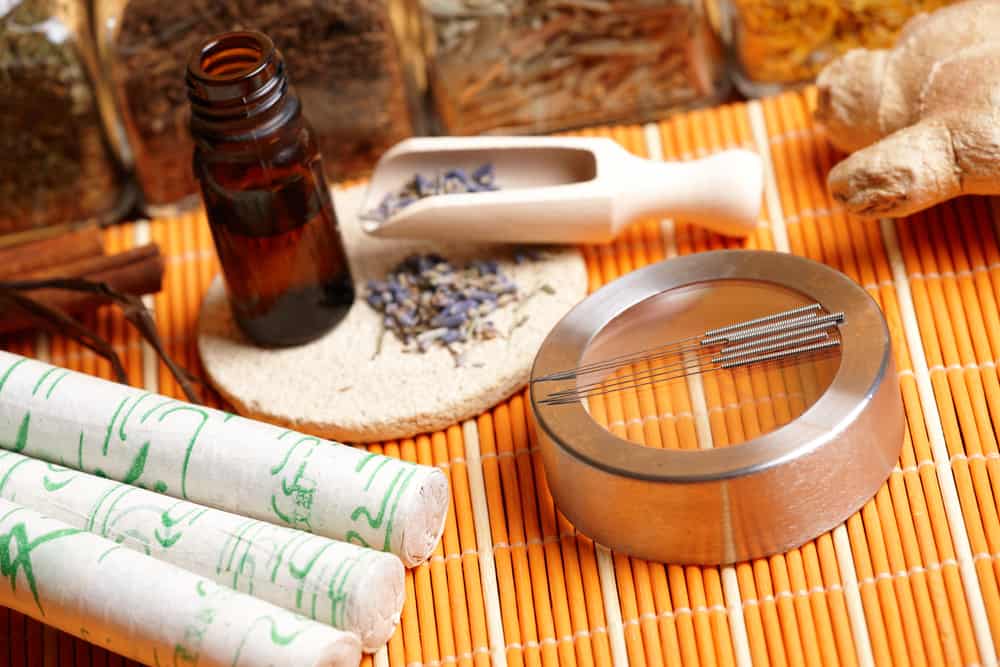
Modern research is validating what Chinese medicine practitioners have known for centuries – these herbal formulas genuinely support immune function through measurable biological mechanisms.
Studies show that key herbs in traditional formulas can increase white blood cell count, enhance the activity of immune cells called macrophages, and promote the production of protective cytokines. For example, astragalus – a primary ingredient in many immune-supporting formulas – contains polysaccharides that have been shown to modulate immune response and enhance antiviral activity.
Research from institutions like Hong Kong University of Science and Technology has demonstrated that classic formulas can regulate inflammatory responses and exhibit both antiviral and antibacterial effects. These studies help explain why formulas that were developed centuries ago continue to show effectiveness in modern clinical settings.
What makes these formulas particularly interesting to researchers is their multi-target approach. Instead of focusing on one specific pathogen or mechanism, they work through multiple pathways simultaneously. A single formula might enhance immune cell function, reduce inflammation, support respiratory health, and provide antioxidant protection all at once.
This comprehensive approach may explain why people who use traditional Chinese herbal formulas often report not just fewer illnesses, but also better energy levels, improved sleep, and enhanced overall well-being during the winter months.
Essential formulas for winter wellness
Two formulas stand out as cornerstones of Chinese herbal medicine for winter immune support: Yu Ping Feng San (Jade Windscreen) and Yin Qiao San (Honeysuckle and Forsythia Formula). Each serves a different purpose in your winter wellness strategy.
Yu Ping Feng San works as a preventative shield, strengthening your underlying constitution so illness has difficulty taking hold. Yin Qiao San acts more like a rapid response team, addressing symptoms quickly when they first appear. Understanding when and how to use each formula can make the difference between a healthy winter and months of recurring illness.
These formulas have been refined over centuries of clinical use, with each herb carefully selected for its specific contribution to the overall effect. The art lies not just in knowing which herbs to use, but in understanding the precise proportions and combinations that create synergistic healing effects.
Yu ping feng san: your preventative shield
Yu Ping Feng San, known as Jade Windscreen Formula, contains just three herbs but creates powerful immune support. The formula includes Huang Qi (Astragalus), Bai Zhu (White Atractylodes), and Fang Feng (Siler Root) – a combination that has protected people from seasonal illness for over 800 years.
Astragalus serves as the formula’s foundation, powerfully tonifying what TCM calls Spleen Qi while strengthening the exterior defenses. Modern research shows astragalus contains immune-enhancing polysaccharides and has demonstrated effectiveness against various viruses including herpes, hepatitis C, and respiratory infections.
White Atractylodes supports digestive function and helps stabilize the exterior, while Siler Root circulates protective energy throughout the body and helps expel external pathogens before they can establish themselves. Together, these three herbs create what practitioners describe as a “jade screen” that filters out harmful influences while allowing beneficial energy to flow freely.
This formula is particularly valuable for people who catch frequent colds, feel run down during winter months, or work in environments with high exposure to illness. Teachers, healthcare workers, and anyone who interacts with many people daily often find Yu Ping Feng San helps them stay healthy throughout the challenging winter season.
The key to success with Jade Windscreen lies in consistent use during the months leading up to and throughout cold and flu season. Unlike remedies you take only when sick, this formula works best as a long-term immune builder, taken regularly to maintain strong defenses.

Yin qiao san: early intervention excellence
Yin Qiao San represents one of traditional Chinese medicine’s most celebrated acute-care formulas. Named after its two primary herbs – Jin Yin Hua (Honeysuckle) and Lian Qiao (Forsythia) – this formula specializes in addressing Wind-Heat type illnesses at their earliest stages.
The formula works by clearing heat and releasing the exterior, helping your body expel pathogens before they can penetrate deeper into your system. Honeysuckle and Forsythia both contain compounds with demonstrated antiviral properties, while supporting herbs in the formula address specific symptoms like sore throat, headache, and fever.
Clinical studies have shown Yin Qiao San can significantly reduce both the duration and severity of cold and flu symptoms when taken early in the illness process. In Taiwan, it ranks as the most popular TCM prescription for upper respiratory infections, with hundreds of thousands of prescriptions issued annually.
The timing of Yin Qiao San use is crucial for optimal effectiveness. The formula works best when taken at the very first signs of illness – that scratchy throat feeling, slight fatigue, or sense that “something’s coming on.” Waiting until symptoms are fully developed reduces its effectiveness significantly.
What makes this formula particularly appealing to modern users is its gentle yet effective action. Unlike some conventional treatments that can leave you feeling drowsy or disconnected, Yin Qiao San typically allows you to maintain normal activities while your body fights off the infection. Many people report feeling noticeably better within 24-48 hours of starting the formula.
The formula also demonstrates the sophisticated understanding of herb combinations that characterizes traditional Chinese medicine. Each supporting herb in Yin Qiao San serves a specific purpose – some target respiratory symptoms, others support circulation, and still others harmonize the overall formula to prevent side effects.
Creating your personalized winter wellness plan with acupuncture
The most effective approach to Chinese herbal medicine involves working with a qualified acupuncture practitioner who can assess your individual constitution and health patterns. While general formulas like Yu Ping Feng San and Yin Qiao San offer broad benefits, personalized prescriptions provide the most targeted support for your specific needs.
Your practitioner will consider factors like your typical response to seasonal changes, any underlying health conditions, current stress levels, and your body’s natural tendencies toward heat or cold patterns. This comprehensive assessment ensures you receive formulas that work harmoniously with your body’s unique characteristics.
At Think Acupuncture, we combine traditional Chinese medicine wisdom with modern understanding of immune function, creating treatment plans that address both immediate concerns and long-term wellness goals. Our holistic approach means you’re not just getting herbs – you’re receiving guidance on lifestyle factors, dietary support, and other natural strategies that enhance your body’s resilience throughout the winter season in Long Island, NY.