Summary:
How Acupuncture Triggers Your Body's Natural Pain Relief System
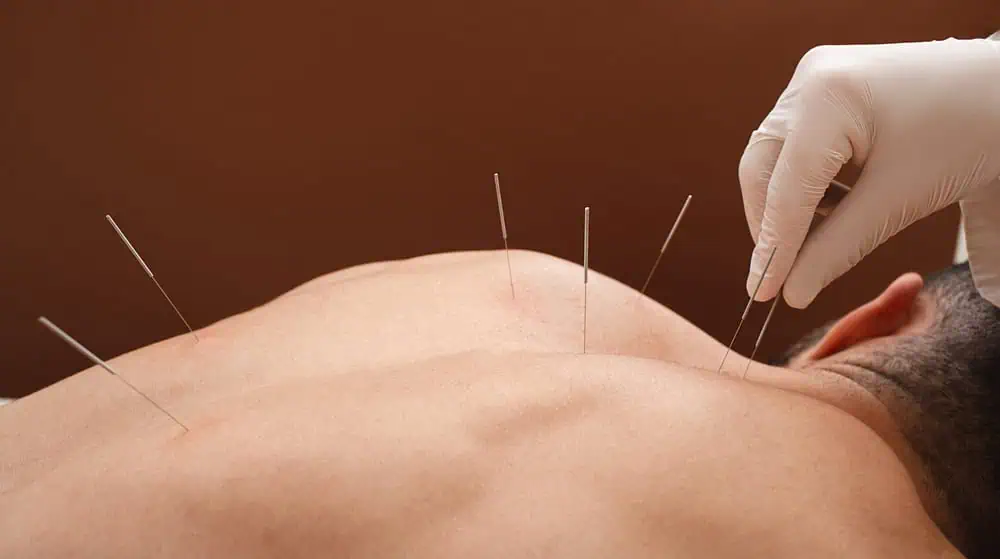
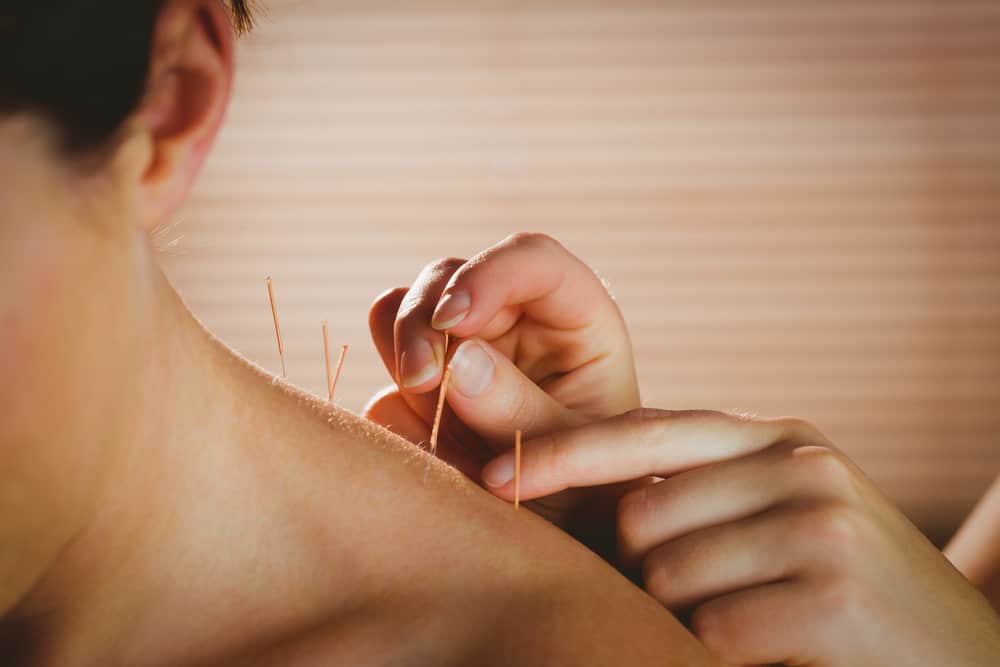
When we insert an acupuncture needle into your skin, it sets off a cascade of neurochemical events that would make any pharmaceutical company envious. Your body doesn’t just tolerate the needle—it responds by flooding your system with natural painkillers that are actually more powerful than morphine.
Research published in peer-reviewed journals demonstrates that acupuncture activates endogenous opioid peptides in the central nervous system, triggering the release of enkephalin, endorphins, and GABA at the spinal site, plus serotonin and norepinephrine at the midbrain level. This isn’t just theory—it’s measurable, reproducible science.
The beauty of this system is that your body is doing all the work. Unlike synthetic medications that force chemical changes, acupuncture simply activates pathways that were already there, waiting to help you heal.
The Endorphin Release Mechanism: Your Internal Pharmacy at Work
Think of endorphins as your body’s internal pharmacy, and acupuncture as the key that unlocks the medicine cabinet. But here’s where it gets really interesting—different frequencies of stimulation actually release different types of healing compounds.
Studies show that electroacupuncture at 2 Hz accelerates the release of enkephalin, beta-endorphin and endomorphin, while 100 Hz selectively increases dynorphin release. When both frequencies are combined, all four opioid peptides are released simultaneously, creating a maximal therapeutic effect.
This precision is remarkable. We’re not just placing needles randomly—we’re essentially programming your nervous system to produce exactly the right combination of natural healing compounds for your specific condition. This finding has been verified in clinical studies with patients suffering from various types of chronic pain, including low back pain and diabetic neuropathic pain.
The implications are profound. Instead of taking medications that might help one aspect of your pain while creating side effects elsewhere, acupuncture activates your body’s own sophisticated healing mechanisms. These natural compounds don’t just mask symptoms—they actually promote healing at the cellular level.
At least three independent studies have demonstrated that naloxone, an opioid receptor antagonist, can partially reverse acupuncture analgesia, providing strong evidence that the pain relief is mediated by your body’s own endogenous opioids. This means the effects you feel aren’t placebo—they’re the result of measurable biochemical changes in your brain and nervous system.
Pain Gate Theory: How Acupuncture Closes the Door on Chronic Pain

Imagine your spinal cord has a gate that controls whether pain signals reach your brain. This isn’t metaphorical—it’s a real neurological mechanism that acupuncture can influence directly.
The gate control theory, proposed by Melzack and Wall in 1965, explains how the substantia gelatinosa in the dorsal horn of the spinal cord controls the transmission of neural impulses from the peripheral nervous system to the central nervous system. Think of it as a sophisticated traffic control system for pain signals.
The theory works like this: larger A-beta nerve fibers carrying non-painful stimuli can “close the gate,” preventing pain signals from smaller, slower C nerve fibers from reaching your brain. The substantia gelatinosa is “opened” by A-delta and C fibers carrying pain, but “closed” by A-beta fibers carrying touch and pressure sensations.
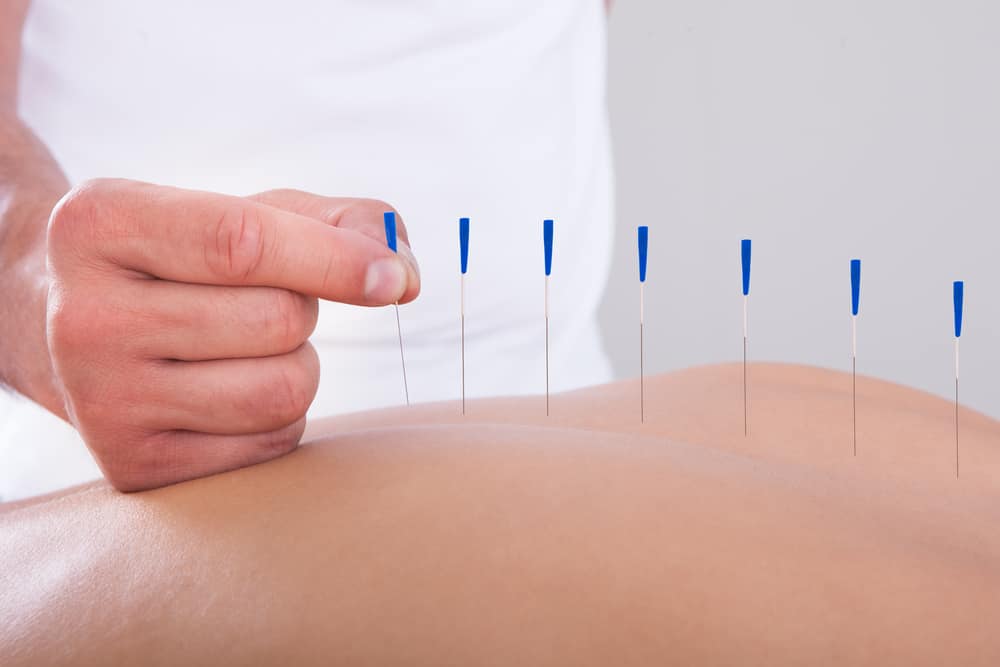
Here’s where acupuncture becomes incredibly strategic. When we place needles to stimulate acupuncture points, we create non-noxious stimulation that provides sensory input to “close the gate” to noxious input, preventing pain from reaching your central nervous system. This mechanical stimulation produces presynaptic inhibition of pain information, essentially blocking the connection between pain receptors and spinal neurons.
Gate control theory provides a plausible explanation for how acupuncture works through the nervous system to alleviate pain. The steady stream of non-noxious impulses from acupuncture needles activates A-beta nerve fibers, which transmit signals to the substantia gelatinosa, overriding pain impulses from A-delta and C fibers and causing the gate to close. This explains acupuncture’s effectiveness in providing immediate pain relief.
But there’s more to the story. While the gate control theory would predict analgesia lasting only milliseconds, acupuncture analgesia develops slowly and reaches maximum effect 30 minutes after stimulation, suggesting additional mechanisms beyond simple gate control are at work.
Meridian System Science: Modern Research Meets Ancient Wisdom
For thousands of years, Traditional Chinese Medicine has described meridians as pathways through which vital energy flows. Modern science is now discovering that these ancient maps might have been more accurate than anyone imagined.
Recent fMRI studies demonstrate that different acupoints on the same meridian activate similar areas of the brain, and acupoints commonly used in clinical practice modulate a greater extent of cortical areas than uncommonly used points. This suggests that meridian theory isn’t just philosophical—it reflects real neurological connections.
Research shows that acupoints overlie major neuronal bundles, with extensively studied cardiovascular meridians like pericardial points 5 and 6 overlying the deep median nerve. The ancient Chinese weren’t just guessing where to place needles—they were mapping the nervous system.
Neuroplasticity and Long-Term Healing Changes
Perhaps the most exciting discovery in acupuncture research is how our treatments create lasting changes in your brain and nervous system. This isn’t just temporary relief—it’s actual neurological remodeling.
Recent studies suggest mechanisms including adenosine receptor modulation, dopamine signaling for immune regulation, and neuroplasticity in the primary somatosensory cortex. Clinical trials show that acupuncture’s analgesic effects persist for months following treatment, suggesting long-term plastic changes in pain processing—a hallmark of central neurobiology.
This means that regular acupuncture treatments aren’t just managing your symptoms—they’re actually rewiring your nervous system for better function. Research demonstrates that acupuncture effects are mediated by primary afferent fibers, central endorphinergic neurons, and descending inhibitory pathways, with a mesolimbic neural circuitry playing a critical role in acupuncture analgesia.
The implications for conditions like chronic pain, anxiety, and infertility are profound. Instead of needing increasingly higher doses of medications, acupuncture treatments can actually improve your body’s natural ability to regulate pain, stress, and reproductive function. Studies in both humans and animals show that different frequencies of electroacupuncture release different neuropeptides and transmitters, producing different therapeutic effects with frequency-dependent peptide release.
This precision allows us to essentially customize your treatment at the neurochemical level. Whether you’re dealing with chronic pain that hasn’t responded to other treatments, fertility challenges, or anxiety that affects your daily life, we can tailor acupuncture to activate exactly the healing mechanisms your body needs most.

Integration with Modern Medicine: The Best of Both Worlds
The future of healthcare isn’t choosing between Eastern and Western medicine—it’s understanding how they can work together to give you the best possible outcomes.
Research shows that naloxone blocks acupuncture analgesia by binding to selective opioid receptors, and that vascular occlusion has no effect on acupuncture analgesia while local anesthetics negate it, proving that acupuncture works through afferent sensory nerves rather than placebo effects.
This scientific validation means that acupuncture can be confidently integrated with conventional medical treatments. Studies suggest that acupuncture may help reduce stress and anxiety, enhance blood flow to reproductive organs, and promote optimal environments for conception, with regular sessions before and after IUI and IVF procedures improving the body’s response to treatment.
For Long Island, NY residents dealing with complex health conditions, this integration is particularly valuable. We combine traditional acupuncture techniques with comprehensive medical expertise, offering customized treatment plans that improve blood flow to injured areas for faster healing.
The key is finding practitioners who understand both systems. A large volume of evidence demonstrates that acupuncture has physiological, neurobiological and neurochemical bases for its mechanism of action, making the identity of meridian systems more conceivable and the mechanism of action more plausible than ever before.
This isn’t about replacing your medical care—it’s about enhancing it with treatments that work through completely different but complementary pathways. When your body’s natural healing systems are activated through acupuncture while receiving appropriate medical care, the combined effect can be remarkable.
Your Next Step Toward Science-Based Natural Healing
The research is clear: acupuncture isn’t just an ancient practice based on tradition—it’s a sophisticated medical intervention that works through well-understood neurological mechanisms. From endorphin release to pain gate activation to meridian pathway stimulation, every needle placement is backed by decades of peer-reviewed research.
Whether you’re dealing with chronic pain that hasn’t responded to other treatments, fertility challenges, or anxiety that affects your quality of life, understanding these mechanisms can give you confidence in choosing acupuncture as part of your healing journey. The science shows that your body already has remarkable healing capabilities—acupuncture simply provides the key to unlock them.
If you’re ready to experience how these neurological pathways can transform your health, we combine this cutting-edge scientific understanding with compassionate, personalized care. Your body’s own healing intelligence is more powerful than you might imagine—and now you know exactly how acupuncture helps you access it.