Summary:
If you’re reading this at 2 AM because sleep won’t come, you’re not alone. Millions of people struggle with chronic insomnia, cycling through sleeping pills that leave them groggy or dependent. But what if there was a way to reset your body’s natural sleep system—without drugs or side effects?
That’s where acupuncture for insomnia offers something different. Instead of forcing sleep, acupuncture works with your nervous system, helping calm the stress response and restore your body’s natural sleep-wake rhythm. This time-tested approach is helping many Long Island residents reclaim their nights and wake up feeling truly rested.
How Your Nervous System Controls Sleep and Why It Gets Stuck
Your sleep isn’t just about being tired. It’s orchestrated by your autonomic nervous system—the control center that manages everything your body does automatically.
Think of it like this: your sympathetic nervous system is your body’s gas pedal, keeping you alert and ready for action. Your parasympathetic system is the brake pedal, slowing everything down for rest and recovery. When you can’t sleep, your gas pedal is stuck, and your brake isn’t working.
This is exactly what happens with chronic insomnia. Your nervous system gets trapped in “fight or flight” mode, even when you’re lying in bed trying to sleep.
What Happens When Your Sleep System Breaks Down
When your autonomic nervous system is out of balance, the effects go far beyond just feeling tired. Your body stays in a state of hyperarousal that makes quality sleep nearly impossible.
Research shows that people with chronic insomnia have measurably higher heart rates, elevated body temperature, and increased cortisol levels—even while lying in bed. Your brain is essentially getting mixed signals, being told to stay alert when it should be winding down.
This creates a vicious cycle that many Long Island residents know all too well. Poor sleep increases stress hormones, which make it even harder to fall asleep the next night. Meanwhile, your immune system weakens, your mood suffers, and your cognitive function declines. You might find yourself reaching for caffeine to get through demanding workdays, which further disrupts your sleep cycle.
The conventional approach often involves sleeping pills, but these medications don’t address the root cause—your overactive nervous system. They might knock you out temporarily, but they don’t restore your body’s natural ability to transition into restorative sleep. Many people find themselves dependent on these medications, dealing with side effects like morning grogginess, memory problems, or rebound insomnia when they try to stop.
What you really need is a way to retrain your nervous system to do what it’s supposed to do naturally—shift into rest and repair mode when bedtime comes.
The Science Behind Insomnia and Nervous System Dysfunction

Understanding what’s happening in your body during insomnia helps explain why acupuncture can be so effective as a non-pharmacological sleep solution. When you can’t sleep, it’s not just a psychological issue—there are measurable, physical changes occurring in your nervous system.
Studies using advanced monitoring equipment show that insomnia patients have significantly different autonomic nervous system activity compared to good sleepers. Your sympathetic nervous system—responsible for the “fight or flight” response—becomes hyperactive. Meanwhile, your parasympathetic system, which should be promoting “rest and digest” functions, becomes suppressed.
This imbalance affects multiple body systems simultaneously. Your heart rate variability changes, indicating chronic stress on your cardiovascular system. Your body temperature regulation becomes disrupted, often leaving you feeling too hot or too cold at night. Even your breathing patterns change, becoming more shallow and rapid when you should be breathing deeply and slowly.
The hormonal cascade is equally problematic. Elevated cortisol levels keep your brain alert when it should be producing sleep-promoting chemicals like melatonin and GABA. Your body essentially forgets how to naturally transition through the different stages of sleep, from light sleep to the deep, restorative phases your body needs for healing and memory consolidation.
This is why simply taking a sleeping pill often feels unsatisfying. You might lose consciousness, but your nervous system never truly shifts into the parasympathetic state needed for genuine restoration. You wake up feeling like you never really slept, because in many ways, your body never fully entered sleep mode.
How Acupuncture Resets Your Sleep System Naturally
Acupuncture works differently than any other sleep treatment because it directly influences your nervous system at multiple levels. Rather than forcing sleep with medications, it helps restore your body’s natural ability to transition from wakefulness to rest.
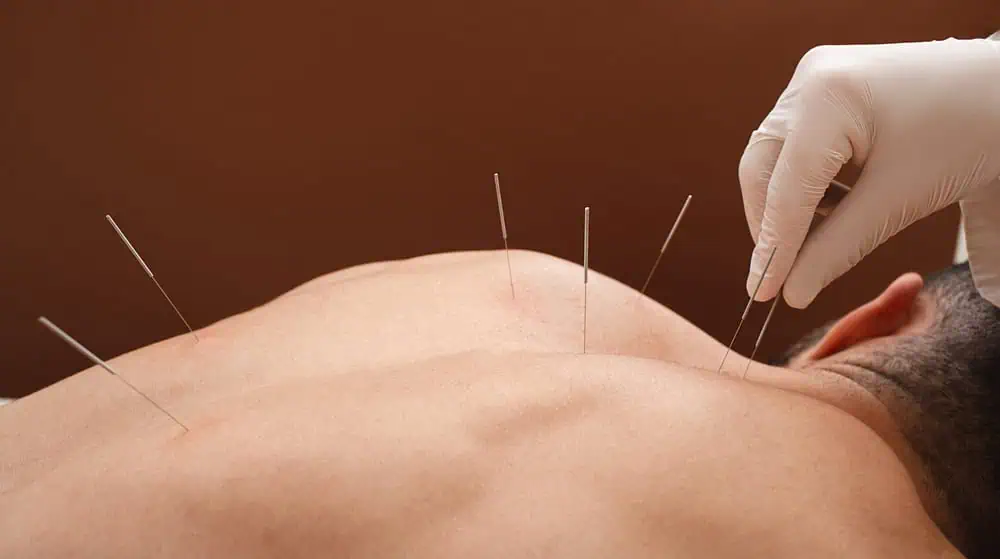
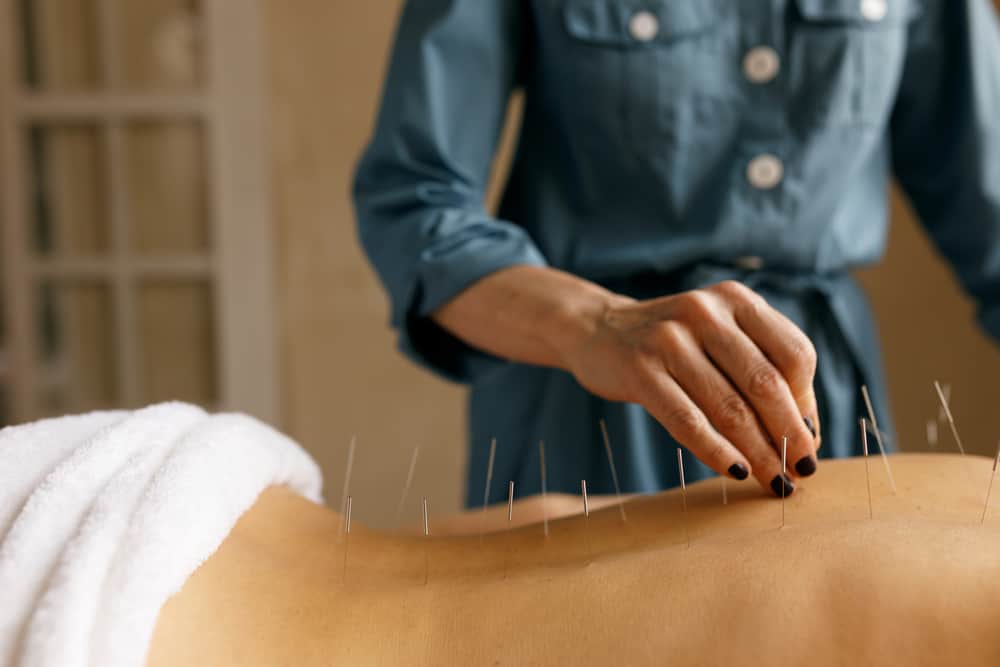
When tiny needles are placed at specific points, they activate nerve pathways that communicate directly with your brain’s sleep centers. This isn’t mystical—it’s measurable neuroscience. Modern research shows acupuncture triggers the release of neurotransmitters that promote relaxation and sleep.
The treatment essentially teaches your nervous system to remember how to shift gears properly, moving from sympathetic dominance to parasympathetic restoration when it’s time to sleep.
The Nervous System Reset: What Happens During Treatment
During an acupuncture session, something remarkable happens in your nervous system. The strategic placement of needles at specific points creates a cascade of neurological changes that directly address the root cause of your sleep problems.
Research using heart rate variability monitors shows that acupuncture immediately begins shifting your autonomic balance. Within minutes of needle insertion, your sympathetic nervous system activity starts to decrease while parasympathetic activity increases. This is the exact opposite of what happens during insomnia.
The needles stimulate peripheral nerves that send signals up your spinal cord to your brain’s sleep regulation centers. These areas include the hypothalamus, which controls your circadian rhythms, and the brainstem regions responsible for transitioning between sleep stages. The treatment essentially gives your brain a direct message: it’s safe to rest.
Many patients notice they feel deeply relaxed during the session itself, often drifting off to sleep on the treatment table. This isn’t just psychological—it’s your nervous system practicing the transition it needs to make every night. Your body is literally relearning how to shift into sleep mode.
The effects continue long after the needles are removed. Studies show that acupuncture increases the production of sleep-promoting neurotransmitters like serotonin and GABA while reducing stress hormones like cortisol. Your brain chemistry begins to rebalance, creating the internal environment necessary for natural, restorative sleep.
Unlike medications that force a change in brain chemistry, acupuncture works with your body’s existing systems. It doesn’t override your natural processes—it helps restore them to proper function.

Why This Approach Works Better Than Sleeping Pills
The fundamental difference between acupuncture and sleeping medications comes down to how each approach treats your nervous system. Sleeping pills essentially override your brain’s natural processes, forcing unconsciousness without addressing why your sleep system isn’t working properly.
Acupuncture takes the opposite approach to improve sleep quality naturally. Instead of suppressing your nervous system, it helps restore its natural balance. Research comparing acupuncture to sleep medications consistently shows that while medications might work faster initially, acupuncture provides more lasting results with better sleep quality.
When you take a sleeping pill, you’re not actually getting normal sleep. The medication alters your brain wave patterns, often reducing the amount of deep, restorative sleep phases your body needs. You might stay unconscious for eight hours, but you wake up feeling unrefreshed because your brain never went through its natural sleep cycles.
Acupuncture helps restore normal sleep architecture. Patients report not just sleeping longer, but sleeping better. They experience more of the deep sleep phases essential for physical recovery and the REM sleep necessary for emotional and cognitive restoration. Morning grogginess disappears because they’re waking up naturally from lighter sleep phases, not being forced awake while heavily medicated.
The long-term benefits are even more significant. While sleeping pills often lose effectiveness over time, requiring higher doses or stronger medications, acupuncture’s benefits tend to build and last. Studies show that patients maintain improved sleep quality for months or even years after completing their initial treatment series.
Perhaps most importantly, acupuncture addresses the underlying nervous system dysfunction that caused the insomnia in the first place. Rather than managing symptoms indefinitely, you’re actually healing the root cause of your sleep problems.
Your Path to Natural, Restorative Sleep in Long Island
Chronic insomnia doesn’t have to be a life sentence of sleepless nights and groggy days. When you understand that your sleep problems stem from nervous system imbalance, the solution becomes clear: restore that balance naturally.
Acupuncture offers what sleeping pills can’t—a way to heal your body’s sleep system rather than override it. By working with your nervous system instead of against it, you can reclaim the deep, restorative sleep your body needs to thrive.
If you’re ready to move beyond temporary fixes and address the root cause of your sleep problems, we at Think Acupuncture in Long Island, NY are here to guide you back to natural, refreshing sleep. Don’t let another night of tossing and turning steal your energy and health.