Summary:
How Acupuncture Transforms Your Fertility Treatment Results
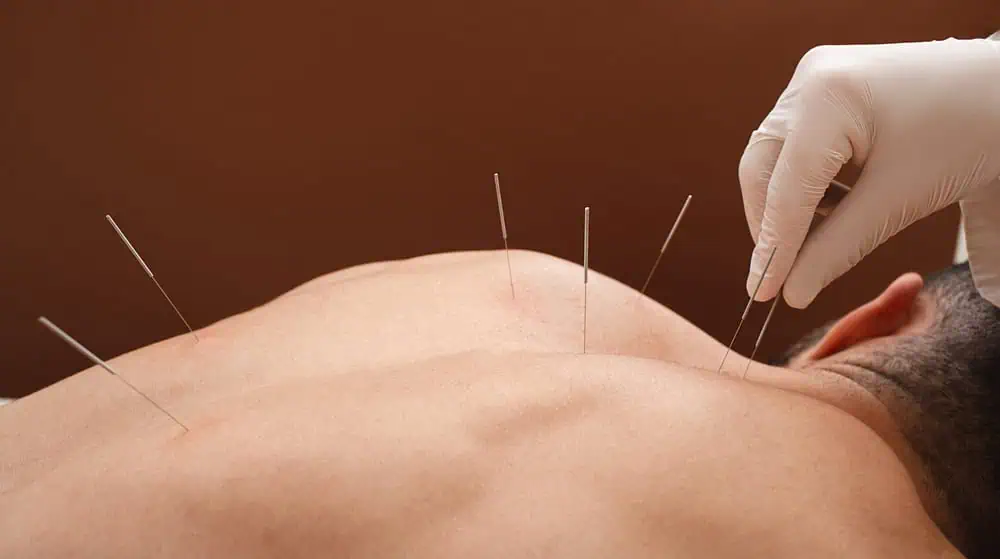
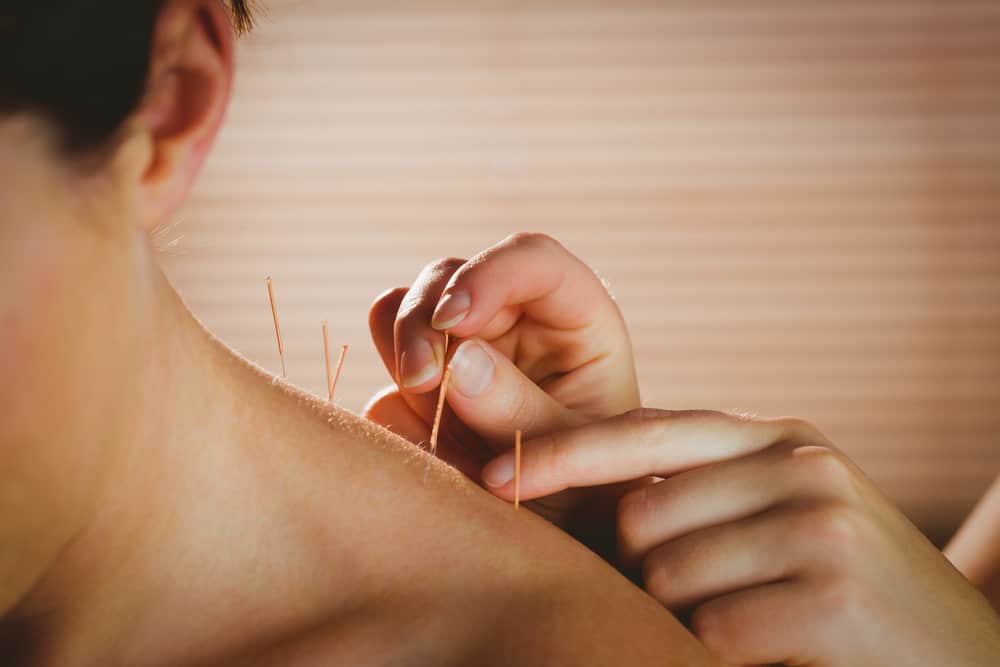
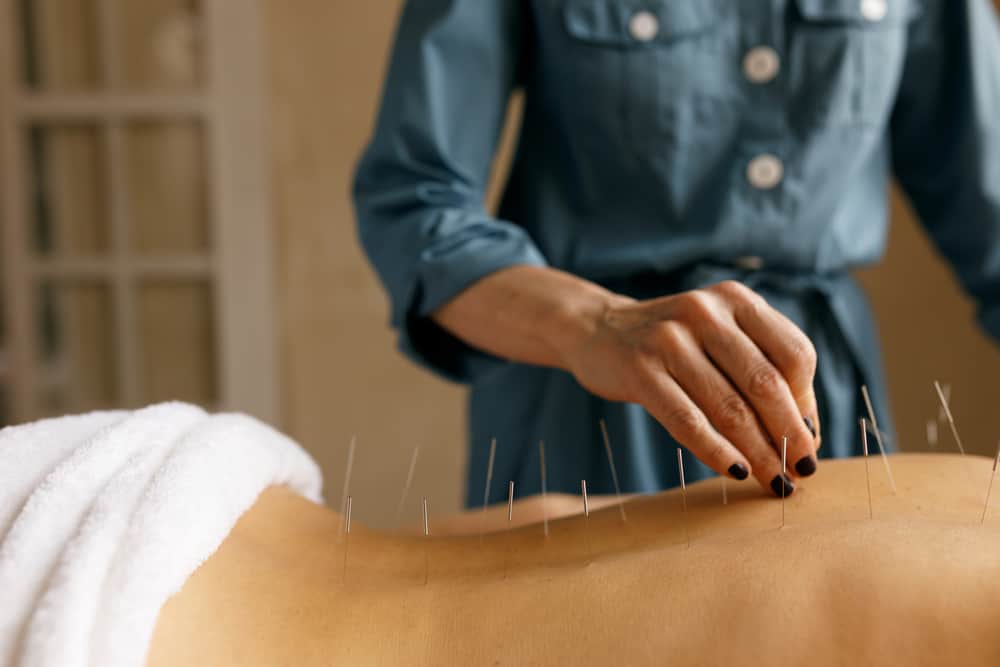
Think of acupuncture as your fertility treatment’s best supporting actor—it doesn’t steal the show, but it makes everything else work better. Our practice involves placing ultra-thin needles at specific points to improve blood flow to your reproductive organs, balance hormones, and reduce the stress that can sabotage your conception efforts.
Here’s what makes this particularly exciting: the research backing it up keeps getting stronger. Studies consistently show that patients receiving acupuncture during fertility treatments achieve significantly better outcomes than those who skip it. The mechanism is straightforward—improved circulation to your ovaries and uterus creates optimal conditions for egg development and implantation.
Your fertility specialist probably already knows about these benefits. Many reproductive endocrinologists now routinely recommend acupuncture as part of comprehensive care, especially for IVF and IUI cycles where every advantage matters.
Evidence-Based Protocols That Actually Work for IVF and IUI
The most effective acupuncture protocols for assisted reproductive technology aren’t guesswork—they’re based on solid clinical research that shows exactly when and how often treatment works best. For IVF cycles, the gold standard involves treatments twice weekly for at least six weeks before your cycle begins, plus sessions immediately before and after embryo transfer.
This timing isn’t arbitrary. The six-week preparation period allows acupuncture to optimize your body’s response to fertility medications while reducing the stress that can interfere with treatment success. During this phase, our treatments focus on increasing blood flow to reproductive organs, supporting healthy egg development, and preparing your uterine lining for implantation.
The pre and post-transfer sessions serve a different but crucial purpose. Research shows that acupuncture performed within hours of embryo transfer helps relax uterine muscles, potentially improving implantation rates. Some studies report pregnancy rate increases from 26% to over 42% when this protocol is followed consistently—numbers that get fertility doctors’ attention.
For IUI cycles, the approach is similar but typically requires fewer sessions. We recommend beginning treatments 2-4 weeks before your IUI, with sessions timed around ovulation support to optimize the process. The key insight here is consistency—sporadic treatments don’t provide the same benefits as regular, properly timed sessions.
What you can expect during these treatments is generally much more relaxing than most people anticipate. Sessions last 20-30 minutes in a calm environment, and many patients find the experience deeply restorative, which provides additional stress-relief benefits beyond the physical effects on your reproductive system.
Supporting Natural Conception When You Want to Avoid Medical Intervention
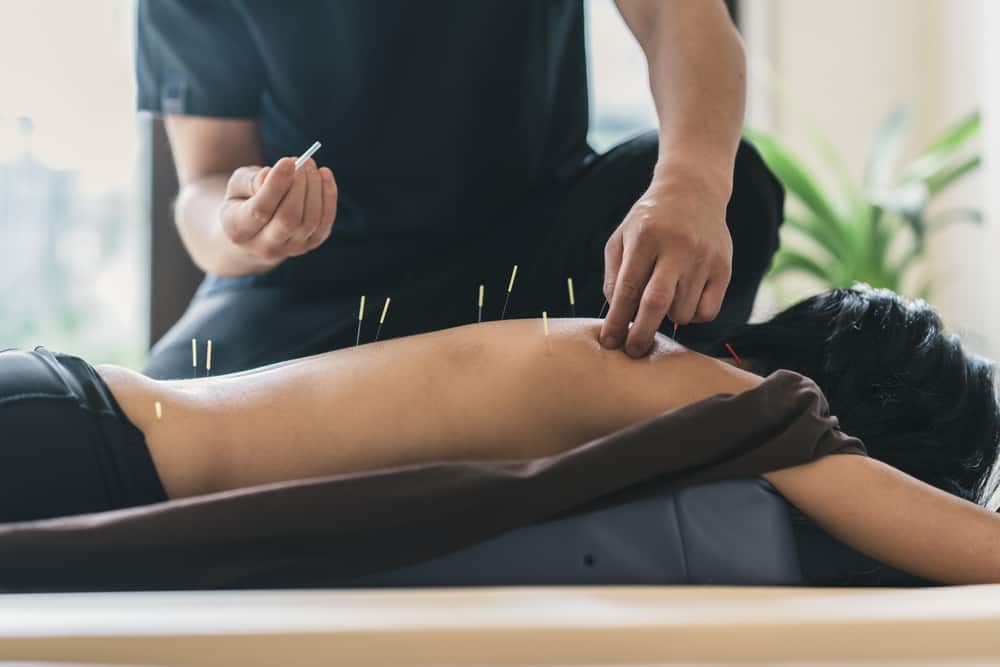
If you’re hoping to conceive naturally, acupuncture offers a different but equally valuable approach that focuses on optimizing your overall reproductive health rather than working around medical procedures. Rather than timing treatments around IVF schedules, natural conception support centers on regulating your menstrual cycle and addressing underlying factors that might be preventing pregnancy.
Our typical protocol involves weekly treatments for three to six months, depending on your specific situation. This timeline makes biological sense—it takes approximately three months for eggs to mature and sperm to develop, so sustained treatment during this period can influence the quality of both. We often recommend both partners receive treatment, since male factor issues contribute to roughly 40% of fertility challenges.
For women, our treatments often target menstrual cycle irregularities, improve cervical mucus quality for better sperm transport, and address underlying conditions like PCOS or endometriosis that can affect fertility. The approach is highly individualized based on your menstrual history, stress levels, and any diagnosed fertility issues that need specific attention.
Male fertility support through acupuncture has gained significant research attention in recent years. Studies show improvements in sperm concentration, motility, and morphology after consistent treatment. Our protocols typically involve twice-weekly sessions for 10-12 weeks, focusing on points that improve circulation to reproductive organs and reduce oxidative stress that can damage developing sperm.
One major advantage of the natural conception approach is flexibility. Unlike IVF cycles with strict timelines, you can adjust treatment frequency based on your response and lifestyle demands. Many couples find this less stressful than the rigid schedules required for assisted reproductive technologies.
The emotional benefits often emerge alongside physical improvements. Regular acupuncture sessions provide dedicated time for relaxation and stress management, which many couples find invaluable during the uncertainty and pressure of trying to conceive naturally.
What Actually Happens During Fertility Acupuncture Treatment
Starting fertility acupuncture treatment begins with a comprehensive consultation that goes far beyond your reproductive health history. We typically spend 60-90 minutes during your first visit discussing your menstrual patterns, stress levels, sleep quality, digestion, and overall health picture—because everything connects.
This thorough approach reflects traditional Chinese medicine’s understanding that fertility depends on your entire body’s balance, not just your reproductive organs functioning in isolation. You’ll likely be asked about seemingly unrelated symptoms because they help us identify the root causes affecting your ability to conceive.
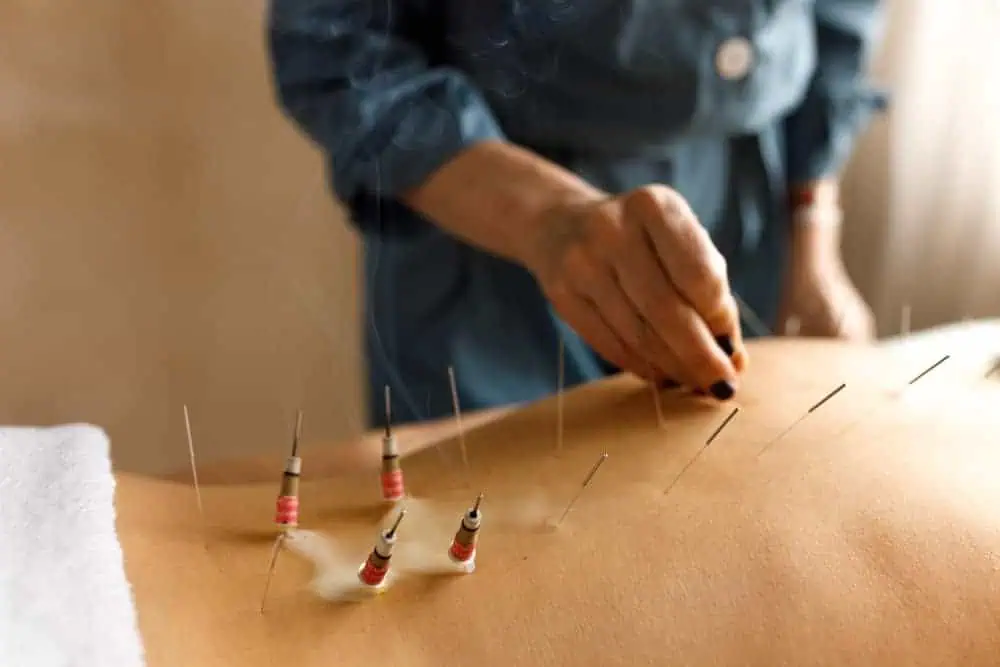
The actual treatment experience surprises most people with how relaxing it is. Acupuncture needles are hair-thin and cause minimal discomfort when inserted properly. Most patients describe a mild tingling or warm sensation, followed by deep relaxation during the 20-30 minute treatment period.
How Acupuncture Helps You Handle the Emotional Rollercoaster
The emotional toll of fertility challenges often gets overlooked in medical settings, but it’s where acupuncture provides some of its most immediate and noticeable benefits. Research consistently shows that fertility patients experience anxiety and depression rates significantly higher than the general population, with up to 40% meeting criteria for psychiatric diagnoses—you’re dealing with real, measurable stress.
Acupuncture addresses this through multiple mechanisms that work together. The treatment itself triggers endorphin release, creating natural stress relief that many patients describe as profoundly calming. Regular sessions provide a dedicated space for relaxation away from the constant pressure of fertility monitoring, medical appointments, and the monthly disappointment cycle.
But the benefits extend far beyond temporary relaxation. Studies show that acupuncture can reduce anxiety levels before procedures like embryo transfer, when stress peaks for many patients. This isn’t just about feeling better in the moment—chronic stress can interfere with hormone production and potentially impact your treatment success rates.
Many Long Island patients report that their acupuncture sessions become an essential part of their emotional self-care routine. The consistent, nurturing environment provides stability during the ups and downs of fertility treatment. Some describe it as the one hour each week where they can completely disconnect from fertility pressures and focus on their overall well-being instead of just the next test or procedure.
The timing of stress-relief benefits varies among individuals. Some patients notice improved sleep and reduced anxiety after just a few sessions, while others require several weeks of consistent treatment to experience significant changes. What’s important is setting realistic expectations and viewing stress management as a long-term investment in your fertility journey success.
For couples dealing with relationship strain from fertility challenges, we sometimes offer partner sessions or recommendations for additional support resources. The goal is addressing all aspects of stress that might be affecting your ability to conceive and maintain your relationship during this challenging time.
Male Factor Infertility: Why Your Partner Should Consider Treatment Too
Male fertility issues contribute to approximately 40% of couples’ conception difficulties, yet men often receive less attention and fewer treatment options in fertility discussions. Acupuncture offers evidence-based support for improving sperm quality, addressing hormonal imbalances, and reducing stress that can significantly impact male fertility—giving your partner an active role in your conception efforts.
Research on acupuncture for male fertility has produced consistently encouraging results. Multiple studies show improvements in sperm concentration, motility, and morphology after 10-12 weeks of consistent treatment. One significant study found that men receiving acupuncture twice weekly for five weeks showed statistically significant improvements in sperm structural integrity compared to control groups who received no treatment.
Our treatment protocols for male fertility typically focus on points that improve circulation to reproductive organs, support hormonal balance, and reduce oxidative stress that can damage developing sperm. Since sperm take approximately 74 days to mature, we usually recommend at least three months of treatment to see optimal results—which aligns perfectly with pre-conception care timelines.
What makes acupuncture particularly valuable for male fertility is its ability to address multiple contributing factors simultaneously. Stress, poor circulation, hormonal imbalances, and lifestyle factors all impact sperm quality, and acupuncture can influence each of these areas. This comprehensive approach often produces better results than addressing individual factors in isolation through supplements or lifestyle changes alone.
Many male patients initially feel skeptical about acupuncture but find the experience much more comfortable than expected. The treatments are typically relaxing, and many men appreciate having an active, meaningful role in their couple’s fertility journey rather than feeling like passive observers of female-focused treatments and procedures.
For couples undergoing IVF with male factor issues, combining acupuncture for both partners often produces the best outcomes. This coordinated approach addresses fertility from multiple angles while providing emotional support for both individuals during what can be an isolating and stressful time.
Your Next Steps for Adding Acupuncture to Your Fertility Plan
Acupuncture isn’t a fertility miracle cure, but the research clearly supports its role as valuable, evidence-based complementary care that can significantly improve your odds. Whether you’re trying to conceive naturally, preparing for IVF, or supporting your partner through male factor challenges, consistent acupuncture treatment can enhance your results while reducing the stress that makes fertility journeys so emotionally difficult.
The key is finding qualified practitioners who understand fertility-specific protocols and can coordinate seamlessly with your existing medical team. Look for licensed acupuncturists with specialized training in reproductive health who can explain their approach clearly and set realistic expectations for your specific situation.
Your fertility journey deserves comprehensive support that addresses both the physical and emotional challenges you’re facing every day. If you’re ready to explore how acupuncture can enhance your fertility treatment plan and give you every possible advantage, we offer the specialized expertise and compassionate care to guide you through this important decision.