
Summary:
If you’ve been trying to conceive for a while, you’ve probably done more research than you ever expected to. You’ve read the forums, tracked your cycles, maybe even started working with a reproductive endocrinologist. And somewhere along the way, someone mentioned acupuncture. Maybe your doctor brought it up. Maybe a friend did. Either way, you’re here — and you want a straight answer about whether it’s actually worth your time.
This guide is for Nassau County residents who are done with vague reassurances and want to understand what acupuncture for fertility can realistically do for fertility, how it works alongside conventional treatment, and what to look for when choosing a provider on Long Island.
Acupuncture and Fertility: What the Research Actually Shows
The evidence behind acupuncture for fertility has grown considerably in recent years — and it’s more compelling than most patients realize. A 2023 meta-analysis reviewed 25 randomized controlled trials involving more than 8,500 women and found that acupuncture during IVF was associated with a live birth rate of 38.0% compared to 28.7% in the non-acupuncture group. That’s a meaningful difference, not a marginal one.
A 2024 dosage study went further, finding that higher-frequency acupuncture — sustained over more than one menstrual cycle — was linked to a 71% increase in clinical pregnancy rates and a 75% increase in live birth rates compared to lower-dose protocols. These aren’t fringe findings. They’re published in peer-reviewed journals and increasingly cited by fertility clinics themselves.
How acupuncture supports fertility outcomes
The mechanism isn’t mysterious, even if the practice feels unfamiliar. Acupuncture works by stimulating specific points along the body’s meridian pathways, which influences blood flow, hormone regulation, and the nervous system’s stress response. In the context of fertility, that matters more than it might sound.
Poor blood flow to the uterus and ovaries is one of the factors that can compromise egg quality and endometrial receptivity — the lining’s ability to support a healthy implant. Acupuncture has been shown to improve pelvic blood circulation, which directly supports both of those things. It also helps regulate the hormonal signals that govern ovulation, which is why it’s used for conditions like PCOS and unexplained infertility where cycle irregularity is a central issue.
Then there’s stress. This one gets dismissed a lot — “just relax” is probably the most frustrating thing anyone can say to someone struggling to conceive. But the connection between chronic stress and fertility outcomes is real and documented. Elevated cortisol interferes with the hormonal environment needed for conception, and research on IVF specifically has linked higher stress levels to lower success rates. Acupuncture’s ability to calm the nervous system and support endorphin release isn’t a side benefit — for many Nassau County patients dealing with demanding commutes, high-pressure careers, and the emotional weight of fertility treatment itself, it’s a central one.
What this means practically is that acupuncture isn’t just something you try after everything else has failed. Starting treatment about three months before an IVF or IUI cycle — to allow time for hormonal regulation and cycle quality to improve — tends to produce better outcomes than beginning treatment right before embryo transfer. That timeline matters, and it’s worth planning around.
Traditional Chinese medicine for fertility: beyond acupuncture needles

Acupuncture gets most of the attention, but traditional Chinese medicine for fertility is a broader system — and the distinction is worth understanding before you choose a provider.
Chinese herbal medicine has its own evidence base. One meta-analysis found that herbal medicine may improve pregnancy rates approximately two-fold compared to Western drug therapy alone, with rates moving from roughly 30% to 60% over three to six months of treatment. A separate systematic review found that combining TCM with acupuncture improved ovulation rates and pregnancy rates significantly compared to Western medicine alone, with better quality-of-life outcomes and fewer adverse reactions reported.
This is why dual certification matters when you’re evaluating practitioners. A licensed acupuncturist who also holds national board certification in Chinese herbology can offer an integrated treatment plan that goes beyond needle placement — incorporating herbal formulas that support hormonal balance, cycle regularity, and uterine health alongside your acupuncture sessions. Our practitioners at Think Acupuncture hold that dual certification, which means we can safely advise on herbal medicine in the context of your existing fertility protocol, including any medications you’re taking.
The broader TCM approach also includes dietary guidance and lifestyle counseling — not as filler, but as genuine clinical tools. What you eat, how you sleep, and how your body manages stress all have measurable effects on reproductive health. Treating those factors alongside acupuncture and herbal medicine is what it means to address root causes rather than just manage symptoms. For patients who’ve been in the fertility system for a while and feel like something is still being missed, that whole-person approach often resonates deeply.
One important note: if you’re currently working with a reproductive endocrinologist, you don’t have to choose between conventional treatment and TCM. We work alongside your existing medical team, not in place of them. That collaboration — knowing what your RE is doing and timing our treatments accordingly — is part of how we get the best outcomes for our patients.
Finding qualified fertility acupuncture in Nassau County
Not every acupuncturist has the training or experience to treat fertility specifically. It’s a specialized area, and the difference between a generalist and a practitioner with genuine fertility expertise shows up in the treatment plan, the intake process, and ultimately the outcomes.
In New York State, licensed acupuncturists complete a minimum of 4,050 hours of classroom instruction and supervised clinical experience before sitting for their licensing exams. That’s a significant baseline. But for fertility specifically, you want to go further — looking for practitioners with dedicated fertility experience, national board certification, and a track record of working alongside reproductive endocrinologists rather than in isolation from them.
What to look for in a fertility acupuncturist on Long Island
The first thing to verify is licensure. Every acupuncturist practicing in New York State must hold a state license — this is a legal requirement, not a bonus credential, and it’s verifiable through the NYS Education Department. Beyond that, national board certification through the NCCAOM (now operating as the National Certification Board for Acupuncture and Herbal Medicine) indicates a practitioner has met a higher standard of training than state licensure alone requires.
Dual certification in both acupuncture and Chinese herbology is worth specifically asking about, particularly if you’re interested in a comprehensive TCM approach to fertility. It means your practitioner can safely incorporate herbal medicine into your care — and understands how those herbs interact with fertility medications.
Experience matters too, and fertility-specific experience matters most. Ask how much of the practice’s caseload is fertility-focused, what conditions they commonly treat (PCOS, endometriosis, unexplained infertility, diminished ovarian reserve, IVF support), and whether they regularly communicate with reproductive endocrinologists. A practitioner who works in a silo — without awareness of what your RE is doing or when your transfer is scheduled — can’t time your treatment for maximum effect.
Scheduling practicality is also real. Fertility acupuncture typically involves one to three sessions per week over several months. If evening or weekend appointments aren’t available, that’s a genuine barrier for most working Nassau County residents — and it’s worth asking about before you commit to a provider.

Common questions Nassau County fertility patients ask about acupuncture
One of the most common questions we hear is whether acupuncture is safe to do alongside IVF or IUI. The short answer is yes — when performed by a qualified, fertility-experienced practitioner who is in communication with your medical team. The research that shows improved IVF outcomes with acupuncture was conducted on patients doing exactly that: acupuncture as an adjunct to, not a replacement for, conventional fertility treatment.
Another frequent question is about timing. Many patients assume they should wait until after a failed cycle to try acupuncture, treating it as a last resort. The evidence suggests the opposite. Starting three months before your IVF or IUI cycle gives your body time to respond — improving hormonal balance, cycle regularity, and uterine blood flow before the high-stakes phase of treatment begins. If you’re already mid-cycle, it’s still worth starting, but earlier is genuinely better.
Nassau County patients often ask about insurance coverage as well. Acupuncture coverage varies by plan, but it’s more common than many people assume — particularly as acupuncture has gained broader recognition from organizations like the World Health Organization and National Institutes of Health. We accept many insurance plans at Think Acupuncture. The easiest way to find out what your specific plan covers is to call us directly and we’ll help you verify before your first appointment.
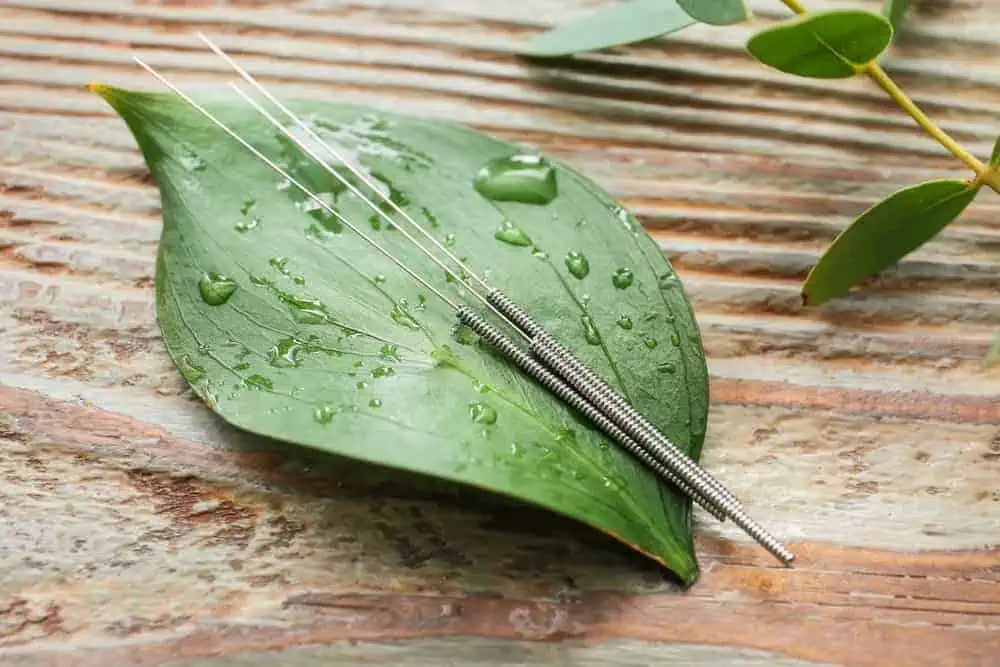
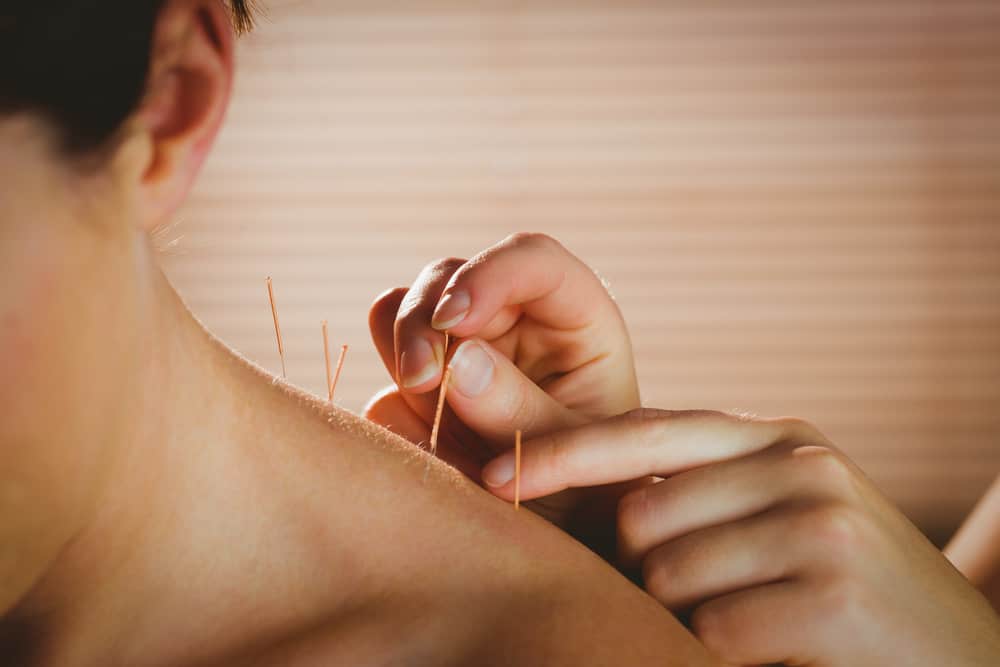
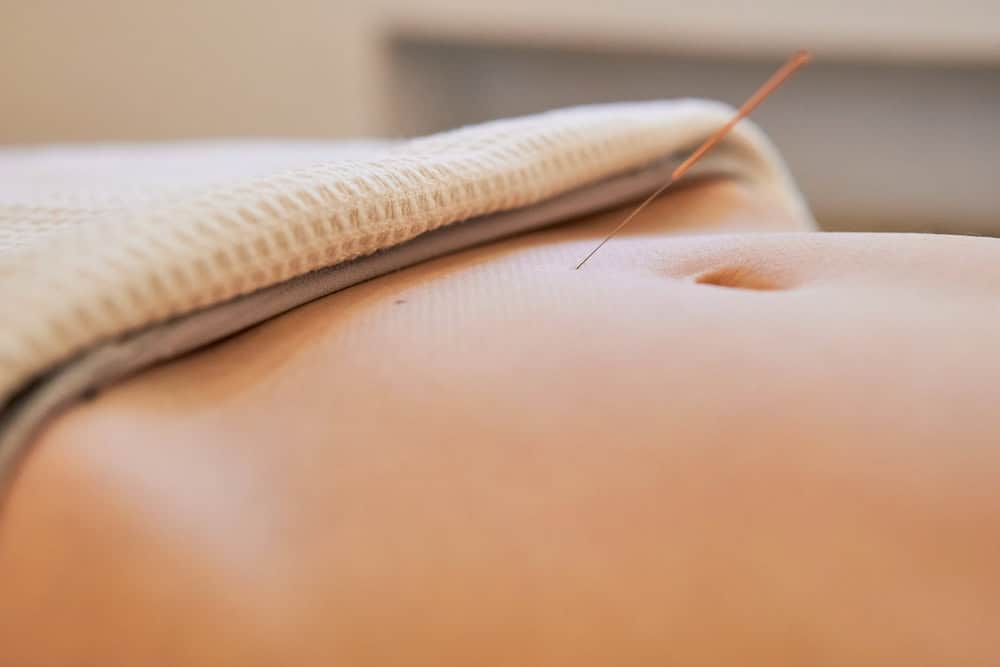
Finally, people ask what the first session actually feels like. The needles used in acupuncture are extremely fine — nothing like a standard injection — and most patients describe the experience as deeply relaxing. Many fall asleep during treatment. If needle anxiety is part of what’s been holding you back, the reality is almost always much gentler than the anticipation.
Ready to explore fertility acupuncture support on Long Island?
Fertility challenges are exhausting in a way that’s hard to explain to people who haven’t been through it. The appointments, the waiting, the hope and disappointment on repeat. What acupuncture offers — at its best — isn’t a miracle. It’s a well-researched, clinically supported way to improve the conditions for conception, reduce the physiological and emotional toll of the process, and address the factors that conventional fertility treatment doesn’t always reach.
If you’re in Nassau County, NY and you’re looking for a provider who takes both the science and the whole-person seriously, Think Acupuncture is worth a conversation. Our practitioners are dual-certified, fertility-experienced, and accustomed to working alongside the reproductive endocrinologists and medical teams our patients are already seeing. Evening and weekend appointments are available, and we accept many insurance plans — call us to check your coverage before your first visit.