Summary:
Most people come to traditional Chinese medicine after they’ve already tried everything else. The prescriptions, the physical therapy, the specialist referrals — and still, the pain is there. Or the anxiety. Or the sleepless nights. At some point, treating the symptom stops feeling like enough.
TCM takes a different approach. Instead of asking “what do we call this?” it asks “why is this happening?” That shift — from symptom management to root-cause care — is what makes it worth understanding. Here’s what it actually involves, how it works, and what Nassau County residents should know before taking the next step.
What Is Eastern Medicine and How Does It Actually Work?
Eastern medicine is built on a simple premise: the body functions as a connected system, not a collection of isolated parts. When one area is out of balance — whether from stress, injury, diet, or lifestyle — it affects everything else. Our job is to find that imbalance and correct it at the source.
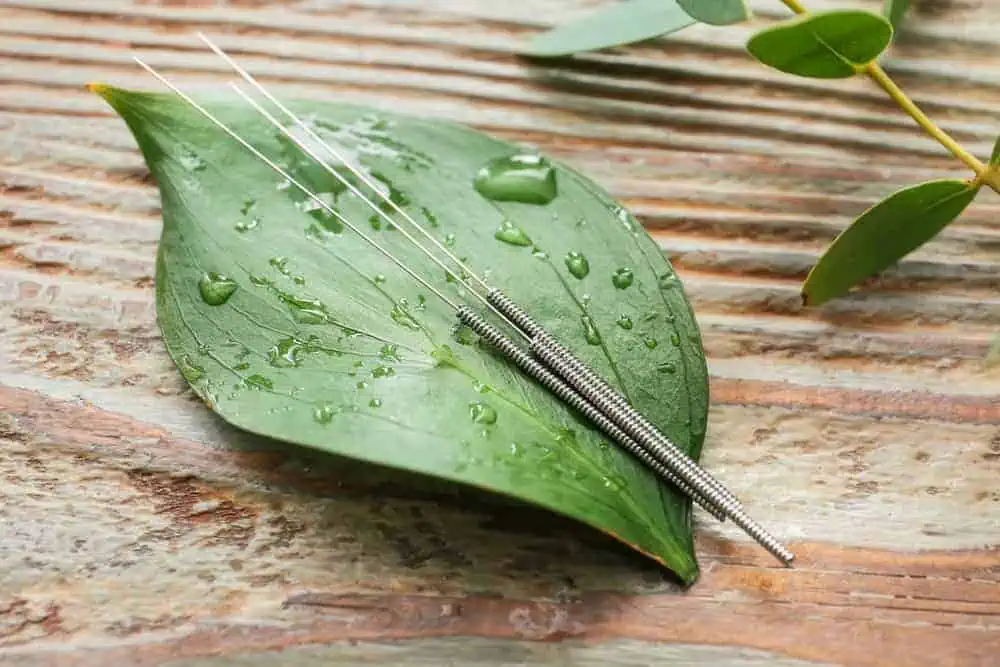
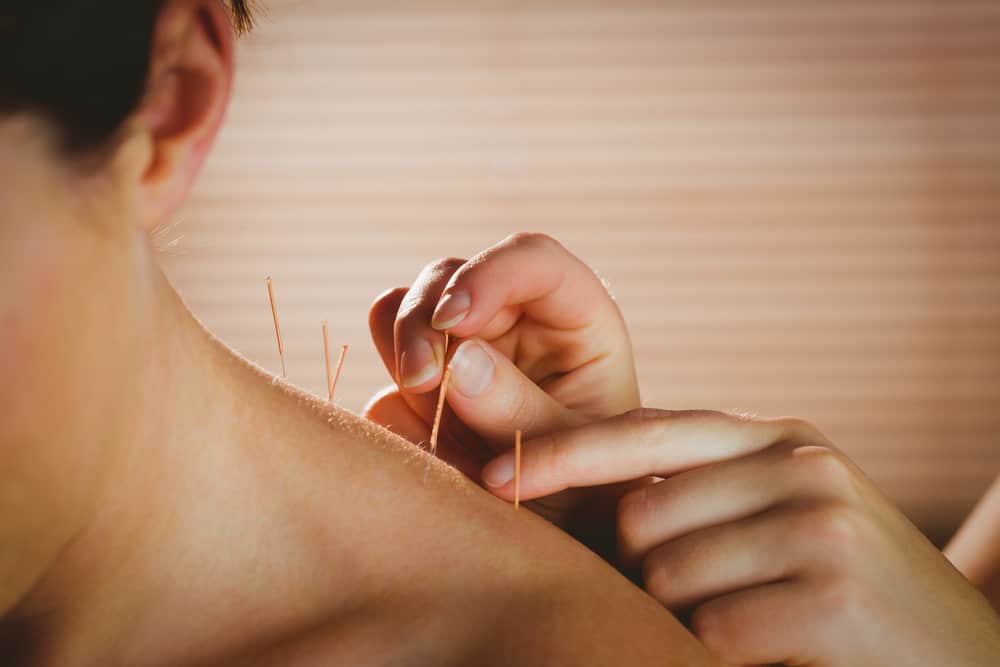
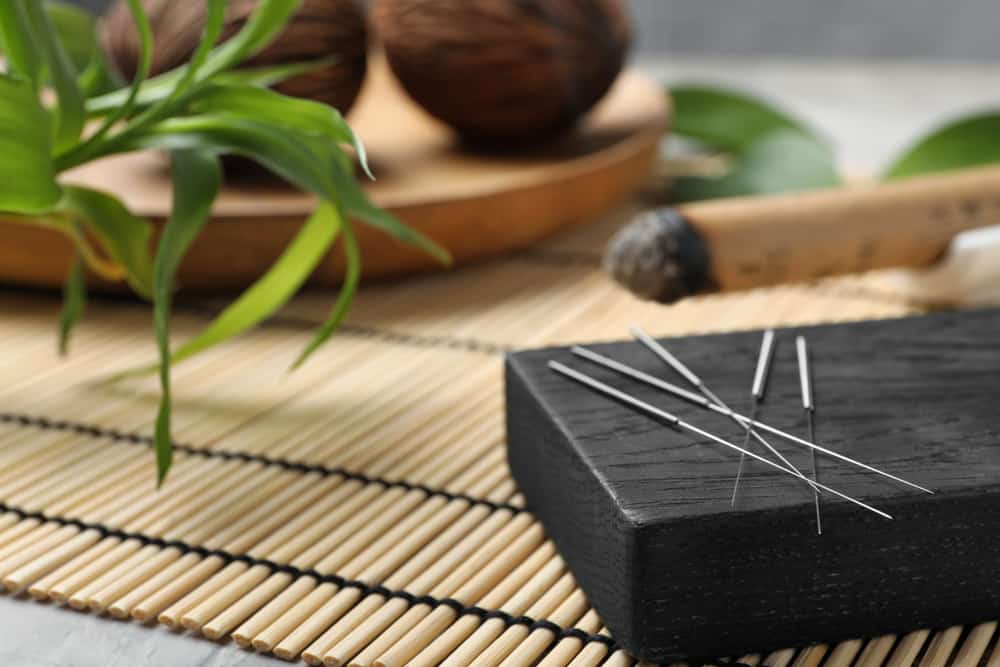
The two most foundational tools in that process are acupuncture and Chinese herbal medicine. Acupuncture uses very thin, sterile needles placed at specific points on the body to stimulate the nervous system, improve circulation, and encourage the body’s own healing response. Herbal medicine works alongside it — individualized formulas that support the same goals internally, between sessions.
What makes this approach different from a typical doctor’s visit isn’t just the tools. It’s the diagnostic process. When you come in, we spend time on your full health picture — sleep, digestion, stress, energy levels, even the quality of your pulse and the appearance of your tongue. That level of attention is unusual. For a lot of patients, it’s the first time someone has actually listened.
Oriental Medicine vs. Traditional Chinese Medicine — Is There a Difference?
You’ll see both terms used, sometimes interchangeably, and it can be confusing. Here’s the short version: Traditional Chinese Medicine (TCM) refers specifically to the medical system that developed in China over thousands of years — acupuncture, herbal medicine, dietary therapy, and practices like cupping and moxibustion. Oriental Medicine is the broader regulatory term used in U.S. licensing, and it encompasses TCM along with related traditions from Japan, Korea, and other parts of East Asia.
In practice, when a licensed acupuncturist in New York holds a Diplomate of Oriental Medicine, it means they’ve passed national board exams covering both acupuncture and Chinese herbology. That’s a higher bar than acupuncture certification alone. It means they can do more than place needles — they can prescribe individualized herbal formulas, conduct a full TCM diagnostic evaluation, and build a treatment plan that works on multiple levels at once.
This distinction matters when you’re choosing a provider. Not every acupuncture clinic offers the full scope of traditional medicine. Some focus exclusively on needles, which is fine for certain conditions, but limits what’s possible for more complex or chronic cases. If you’re dealing with something that hasn’t responded to other treatments — persistent pain, hormonal imbalances, fertility challenges, long-standing anxiety — working with a practitioner who’s trained in the complete system gives you considerably more options.
In New York, the title “licensed acupuncturist” is legally protected. Practitioners must complete a three-year professional training program, pass state-approved licensing exams, and meet continuing education requirements to maintain their license. That’s the minimum. Practitioners who go further and earn national board certification in both acupuncture and Chinese herbology have cleared a higher standard — and that’s the level of training you want when you’re trusting someone with your health.
Wellness Acupuncture and Herbs — Why the Combination Matters
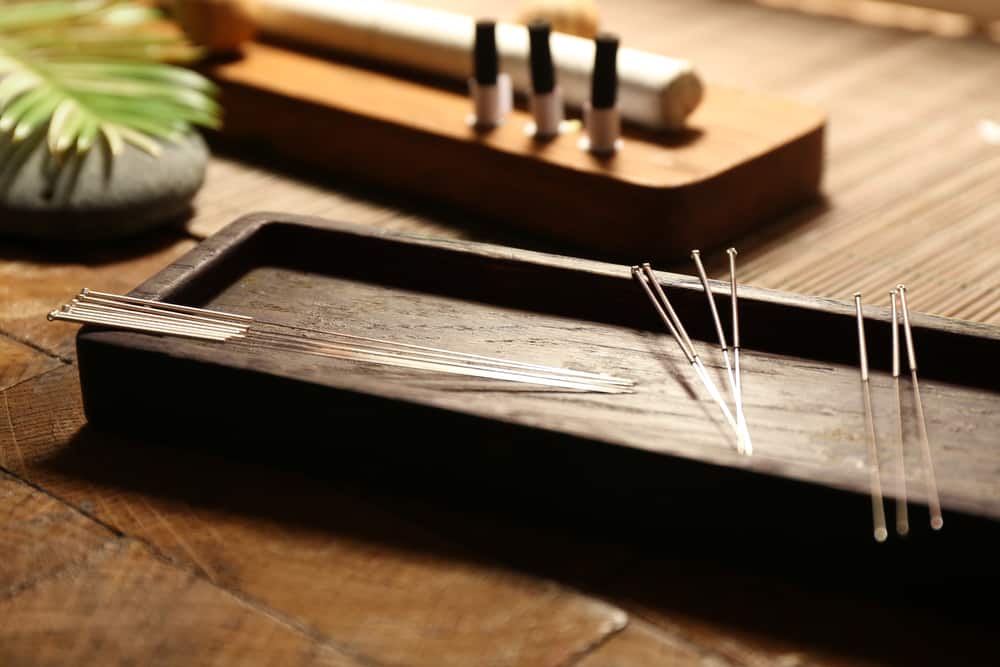
Acupuncture gets most of the attention, but Chinese herbal medicine is just as central to how TCM works. Think of acupuncture as the treatment that happens in the room — needles placed at specific points to stimulate the nervous system, relax tight muscles, reduce inflammation, and improve blood flow. Herbal medicine is what continues that work between sessions. The two are designed to complement each other, not compete.
We don’t prescribe herbs from a standard list. We formulate based on your specific pattern — your constitution, your symptoms, and what’s driving the imbalance. Two people with the same diagnosis in Western medicine might receive completely different herbal formulas in TCM, because the root cause presenting in each person is different. That level of personalization is one of the things that makes this system effective for chronic and complex conditions that haven’t responded well to standardized protocols.
For patients dealing with stress and sleep issues, certain herbal formulas work to calm the nervous system and support deeper sleep over time — not as a sedative, but by addressing the underlying deficiency or excess pattern that’s disrupting rest in the first place. For fertility patients, herbs are often used alongside acupuncture to regulate hormonal cycles, support uterine lining, and improve overall reproductive function. For chronic pain, specific anti-inflammatory and circulation-supporting herbs can extend the relief that acupuncture provides in session.
The combination also matters for people who are skeptical of TCM but open to trying something. Acupuncture produces measurable physiological effects — reduced pain intensity, muscle relaxation, improved circulation, stimulation of the parasympathetic nervous system. These aren’t theoretical outcomes. They’re documented responses that researchers have studied, and they’re part of why the World Health Organization and the National Institutes of Health both recognize acupuncture’s effectiveness for a range of conditions. Adding herbal medicine to that foundation isn’t about layering on more treatments — it’s about addressing the same problem from the inside and outside at the same time.
Traditional Medicine in Nassau County — What Local Patients Actually Experience
Nassau County is not a small, quiet market. It’s one of the most densely populated counties in the country, with a commuter culture, a large public-sector workforce, and communities that range from Lynbrook and Valley Stream in the west to Massapequa Park and Wantagh further east. The health challenges here are specific and real.
Long LIRR commutes mean chronic neck, back, and hip pain from hours of sitting. High-stress jobs — many of them in the city, with the mental load following people home to Merrick, Bellmore, and Hicksville — drive anxiety and sleep disruption at rates that conventional medicine often handles with medication alone. And Nassau County’s family-oriented communities have a high concentration of people navigating fertility challenges, often while simultaneously pursuing IUI or IVF under a specialist’s care.
Traditional medicine addresses all of these. Not as a replacement for what your doctor is doing, but as a system that works alongside it — filling the gaps that symptom-focused care leaves open.
Does Insurance Cover Acupuncture in Nassau County, NY?
This is one of the first questions people ask, and the assumption is usually that it doesn’t. That assumption is wrong for a lot of Nassau County residents.
We accept NYSHIP, United Healthcare, Aetna, and Empire BCBS — which covers a significant portion of Nassau County’s workforce, including county government employees, school district staff, state agency workers, and many private-sector employees. If you’re a government worker, a teacher, or anyone covered through a New York State employer plan, there’s a good chance your acupuncture visits are at least partially covered. We also accept New York State No-Fault insurance and Workers’ Compensation, which matters in a county with high-traffic corridors like Hempstead Turnpike, Sunrise Highway, and the Northern and Southern State Parkways. If you were in a car accident or injured at work, you may be able to receive treatment without any out-of-pocket cost.
The best way to know for certain is to call us at 516.289.9507. We’ll check your coverage before you commit to anything. And if you’re not sure whether acupuncture is even right for your situation, we offer a free consultation and comprehensive evaluation — a full TCM diagnostic intake, not just a quick chat — so you can understand what a treatment plan would actually look like before making any decisions.
Insurance coverage for acupuncture has expanded meaningfully in recent years. Medicare began covering acupuncture for chronic low back pain, and major private insurers have followed. The idea that acupuncture is a cash-only, out-of-pocket expense is increasingly outdated — especially in New York, where coverage options are broader than most people realize.

What to Expect at Your First TCM Appointment in Nassau County
A lot of people put off booking because they don’t know what they’re walking into. That uncertainty is worth clearing up, because the first visit is usually nothing like what people expect.
It starts with a conversation — a real one. We’ll ask about your primary concern, but also about your sleep, digestion, energy levels, stress, and medical history. This isn’t small talk. In TCM, these details are diagnostic. They’re how we identify the pattern driving your symptoms, which is what determines the treatment plan. We’ll also take your pulse — not just to check your heart rate, but to assess the quality and character of the pulse at multiple positions, which gives information about organ system function. Tongue examination is another diagnostic tool: the color, coating, and shape of your tongue reveal patterns that aren’t visible through standard Western diagnostics.
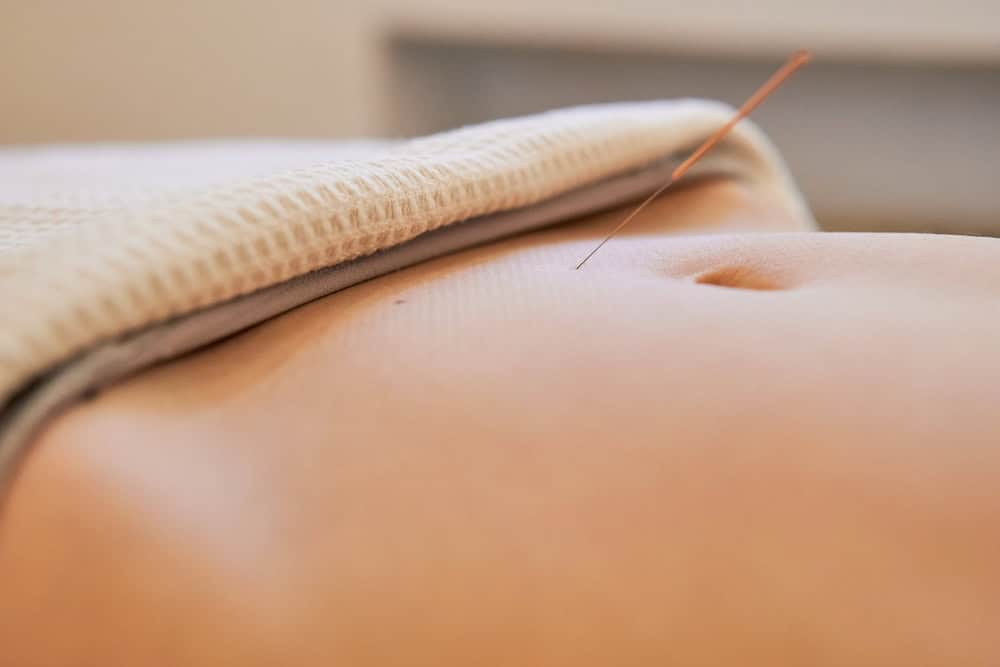
From there, your first acupuncture treatment is typically gentle. The needles we use are about the width of a human hair — solid, not hollow, and designed to part tissue rather than pierce it the way a hypodermic needle does. Most people feel a mild sensation — sometimes a slight warmth or dull ache at the needle site — that fades within seconds. Many people fall asleep on the table. The session usually lasts 45 minutes to an hour, and most patients leave feeling noticeably calmer than when they walked in.
What happens after the first visit depends on your condition and how your body responds. Some people feel significant relief after one or two sessions. Others — especially those dealing with chronic or long-standing conditions — see gradual improvement over a series of treatments. We’ll give you a realistic picture of what to expect, including how many sessions are likely and what role herbal medicine or lifestyle adjustments might play alongside the acupuncture.
For Nassau County residents who’ve been managing a condition for years without lasting relief, that first appointment is often the moment things start to shift — not because TCM is magic, but because it’s the first time the full picture has been taken seriously.
Finding the Right Acupuncture and TCM Care in Nassau County
Traditional Chinese medicine works best when it’s practiced completely — acupuncture, herbal medicine, diet, and lifestyle guidance working together, guided by a practitioner who’s taken the time to understand what’s actually going on with you. That’s a different experience from a quick needle session at a spa or a generalist clinic where everyone gets the same protocol.
If you’re in Nassau County and you’ve been dealing with chronic pain, stress, fertility challenges, or something that conventional medicine hasn’t fully resolved, it’s worth having a real conversation about what TCM can offer. Not a sales pitch — an honest assessment of whether this approach fits your situation.
We’ve been serving Long Island for over 18 years. Our practitioners hold New York State licenses and national board certification in both acupuncture and Chinese herbology. We accept major insurance plans, No-Fault, and Workers’ Comp. And we offer a free consultation so you can get answers before you commit to anything. Reach out to us at 516.289.9507 — we’re glad to help you figure out if this is the right next step.