
Summary:
Peer-Reviewed Research Reveals Acupuncture's Neurological Mechanisms
The days of dismissing acupuncture as placebo are over. Recent systematic reviews analyzing over 1,143 peer-reviewed publications from 2000-2025 demonstrate that acupuncture creates measurable neurological changes in your brain and nervous system.
Neuroimaging studies using fMRI and PET scans show that acupuncture produces specific, targeted brain activity patterns that differ completely from sham treatments. When you receive real acupuncture, researchers can actually see increased activity in your brain’s pain-processing centers and decreased activity in areas associated with chronic stress and inflammation.
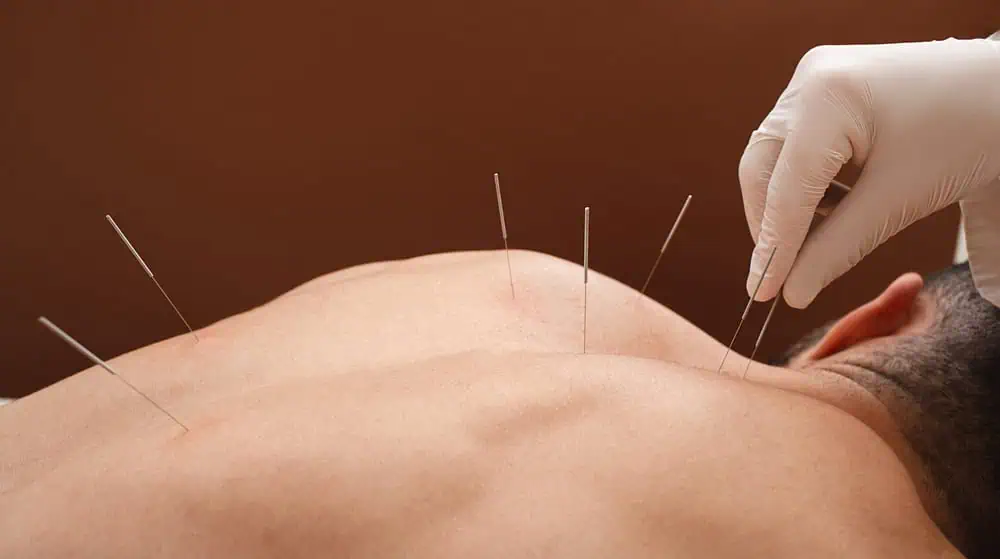
This isn’t random needle placement hoping for results. Modern research has identified the precise mechanisms: acupuncture stimulates your peripheral and central nervous systems through vast neural networks, triggering the release of endorphins, neurotransmitters, and other biochemicals that promote healing at the source of your condition.
How Neuromodulation Targets Your Body's Control Systems
Think of your nervous system as your body’s electrical control panel. When chronic conditions develop, certain “circuits” become overactive or underactive, creating the symptoms you experience. Acupuncture works as a targeted reset button for these malfunctioning pathways.
Recent studies published in leading neuroscience journals reveal that acupuncture creates what researchers call “precision neuromodulation.” Unlike medications that affect your entire system, acupuncture can selectively influence specific neural pathways related to your particular condition.
For example, when treating chronic pain, acupuncture activates your descending pain inhibitory pathways – essentially turning up your body’s natural pain-blocking systems. For anxiety, it modulates your autonomic nervous system, helping restore balance between your sympathetic (fight-or-flight) and parasympathetic (rest-and-digest) responses.
This precision targeting explains why acupuncture can address multiple, seemingly unrelated symptoms simultaneously. We aren’t treating separate conditions – we’re correcting the underlying neural imbalances that contribute to your various health challenges.
The mechanism involves your body’s own healing systems. Acupuncture stimulates the release of adenosine, a natural pain-relieving compound, while also triggering anti-inflammatory responses through your vagus nerve. These aren’t foreign substances – they’re your body’s own therapeutic molecules, activated through precise needle placement.
What makes this particularly relevant for Long Island residents dealing with stress-related conditions is that acupuncture has been shown to specifically target the hypothalamic-pituitary-adrenal axis – your body’s primary stress response system. This helps explain why patients often report improvements in sleep, mood, and energy levels alongside their primary symptoms.
Clinical Studies Show Measurable Brain Changes After Treatment

The most compelling evidence comes from before-and-after brain imaging studies. Researchers can now document exactly what happens in your brain during and after acupuncture treatment, providing objective proof of its therapeutic mechanisms.
A comprehensive meta-analysis of 15 functional brain imaging studies involving 514 patients with various conditions showed consistent patterns of brain activation and deactivation following acupuncture treatment. These weren’t subtle changes – they were significant, measurable alterations in brain function that correlated directly with symptom improvement.
The studies revealed that acupuncture increases activity in your posterior insula and pons – brain regions crucial for processing sensory information and regulating pain. Simultaneously, it decreases hyperactivity in areas like your precuneus and temporal lobe, regions associated with chronic pain perception and emotional distress.
What’s particularly interesting is that these brain changes persist beyond the treatment session. Follow-up scans show that regular acupuncture treatment literally rewires your brain’s response patterns, creating lasting improvements in how your nervous system processes pain, stress, and other symptoms.
This neuroplasticity – your brain’s ability to form new neural connections – explains why acupuncture benefits often compound over time. Each treatment doesn’t just provide temporary relief; it contributes to long-term changes in your brain’s structure and function.
For individuals dealing with complex, chronic conditions, this research offers hope beyond symptom management. You’re not just masking problems – you’re actively participating in rewiring your nervous system for better health. The peer-reviewed evidence shows that acupuncture can help restore normal brain function patterns that may have been disrupted by injury, chronic stress, or illness.
World Health Organization Recognition and Clinical Applications
The World Health Organization doesn’t endorse treatments lightly. Their recognition of acupuncture for over 100 medical conditions represents decades of careful evaluation of clinical evidence and safety data.
This isn’t a recent development driven by alternative medicine trends. WHO’s support for acupuncture began with systematic reviews of controlled clinical trials, published research, and documented clinical outcomes from healthcare systems worldwide. Today, acupuncture is acknowledged by 113 WHO member states as a legitimate medical intervention.
The organization’s position is particularly significant because it’s based on evidence, not tradition. WHO specifically notes that acupuncture has “proven effective” for numerous conditions through rigorous controlled trials, distinguishing it from therapies with only anecdotal support.
Evidence-Based Applications for Anxiety and Stress Management
If you’re struggling with anxiety, the research supporting acupuncture’s effectiveness is particularly robust. Multiple systematic reviews and meta-analyses involving thousands of patients demonstrate that acupuncture significantly reduces anxiety symptoms compared to both placebo treatments and conventional therapies.
The most comprehensive analysis, examining 20 randomized controlled trials, found that acupuncture produced standard mean effect sizes ranging from -0.41 to -0.73 for anxiety reduction. In practical terms, this means substantial, clinically meaningful improvements for the majority of patients who receive treatment.
What sets acupuncture apart from anti-anxiety medications is its mechanism of action. Rather than chemically altering your brain chemistry, acupuncture helps restore natural balance to your nervous system. Studies show it modulates your hypothalamic-pituitary-adrenal axis – your body’s primary stress response system – helping normalize cortisol levels and improve your resilience to daily stressors.
The anxiety-reducing effects aren’t just psychological. Neuroimaging studies reveal that acupuncture treatment produces measurable changes in brain regions associated with emotional regulation, including your amygdala and prefrontal cortex. These are the same areas targeted by cognitive behavioral therapy and meditation practices, but acupuncture appears to create these changes more directly through nervous system stimulation.
For Long Island residents dealing with work stress, family pressures, or chronic health anxiety, this research offers a drug-free alternative with minimal side effects. Unlike benzodiazepines or antidepressants, acupuncture doesn’t create dependency or interfere with your cognitive function. Instead, it helps restore your natural capacity for calm, focused attention.
Clinical studies also show that acupuncture’s anti-anxiety effects often extend beyond the primary symptom. Patients frequently report improvements in sleep quality, digestive function, and overall energy levels – suggesting that the treatment addresses underlying imbalances rather than just masking anxiety symptoms.

Autoimmune Support Through Immune System Modulation
Perhaps the most fascinating area of acupuncture research involves its effects on autoimmune conditions. Unlike conventional immunosuppressive drugs that broadly dampen immune function, acupuncture appears to help restore immune system balance – enhancing defenses when needed while reducing harmful autoimmune responses.
Recent experimental studies reveal that acupuncture can modulate key immune system components, including regulatory T cells (Tregs), inflammatory cytokines, and macrophage activity. In autoimmune conditions like rheumatoid arthritis, multiple sclerosis, and inflammatory bowel disease, acupuncture treatment has been shown to reduce inflammatory markers while supporting healthy immune function.
The mechanism involves what researchers call “bidirectional immune regulation.” When your immune system is underactive (as in cancer or chronic infections), acupuncture can enhance natural killer cell activity and boost protective responses. Conversely, when your immune system is attacking healthy tissues (as in autoimmune diseases), acupuncture helps restore immune tolerance and reduce inflammatory damage.
Clinical evidence supports acupuncture’s use in several autoimmune conditions. Randomized controlled trials demonstrate benefits for rheumatoid arthritis, fibromyalgia, Crohn’s disease, and Sjögren’s syndrome. Patients typically experience reduced pain, improved function, and better quality of life alongside measurable improvements in inflammatory markers.
What makes this particularly relevant is acupuncture’s safety profile in autoimmune conditions. While many conventional treatments carry risks of serious side effects or increased infection susceptibility, acupuncture’s adverse event rate is remarkably low. Studies evaluating tens of thousands of treatments report minimal complications, making it a viable option even for patients with compromised immune systems.
The anti-inflammatory effects appear to work through multiple pathways, including activation of your vagus nerve and modulation of your hypothalamic-pituitary-adrenal axis. These are the same systems that conventional medicine targets with corticosteroids and other anti-inflammatory drugs, but acupuncture activates your body’s own anti-inflammatory mechanisms rather than introducing foreign substances.
For individuals dealing with autoimmune conditions on Long Island, this research suggests that acupuncture can serve as both a primary treatment and a valuable complement to conventional medical care, potentially reducing the need for medications with significant side effects while supporting your body’s natural healing capacity.
Making Informed Decisions About Acupuncture Treatment
The scientific evidence is clear: acupuncture works through measurable, documented biological mechanisms that modern medicine recognizes and supports. This isn’t about believing in energy meridians or ancient philosophy – it’s about understanding how targeted nervous system stimulation can help restore normal function to your body’s control systems.
Whether you’re dealing with chronic pain, anxiety, autoimmune issues, or other complex conditions, the peer-reviewed research shows that acupuncture offers a scientifically-grounded approach to addressing root causes rather than just managing symptoms. With WHO endorsement, extensive clinical evidence, and an exceptional safety profile, acupuncture represents a legitimate medical intervention that can complement or, in some cases, provide an alternative to conventional treatments.
If you’re ready to explore how evidence-based acupuncture can support your health goals, we offer the expertise and personalized care needed to help you achieve lasting results through this scientifically-validated approach to healing.